

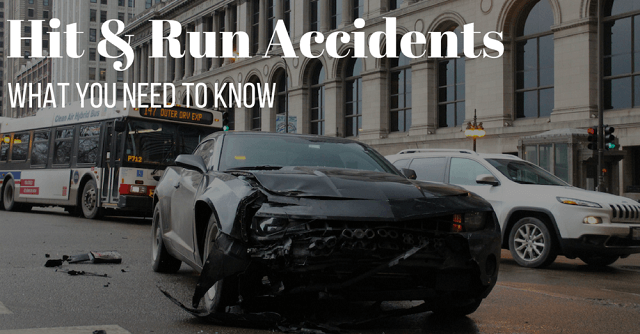
Introduction
A hit and run leaves you dealing with injuries, damage, and an at-fault driver who is already gone. What you do in the next few hours directly affects whether you can recover compensation — from insurance, from the driver if they are found, or from your own policy. This guide walks you through every step.
Key Takeaways
A hit-and-run can leave you shaken and unsure what to do next. I would focus first on safety and medical care, then preserve details that may help with a police report or insurance claim.
- Move to a safe place if you can do so without risking further harm, and call 911 when anyone may be injured or the scene is unsafe.
- Record what you remember about the fleeing vehicle, the collision, and any witnesses; take photos only when it is safe.
- Get medical attention even if you feel fine, since some symptoms may not be obvious right away.
- Check your policy for uninsured motorist and collision coverage, and ask your insurer about reporting deadlines and requirements.
- Deadlines and legal options vary by state, so keep records and consider getting advice about your specific situation.
What to Do in a Hit and Run

The hit-and-run can happen in a split second, and the fleeing motorist might not know what to do next. I would first look for any immediate threat, call for help and try to remember as much as possible.
The hit-and-run response steps provide another glimpse into the typical actions people take following an accident. The key is not to try to solve all the problems at the scene, but to keep people safe and document what happened.
If it’s safe to do so, I would remain at the scene and not pursue the other vehicle. A pursuit can result in another hazardous situation and I might not be able to speak with witnesses or responding officers.
I would record the time and location and then write down the direction the vehicle was travelling in while it was still in my mind.
It’s possible to get a partial memory later. I would make notes that were factual and would distinguish between what I saw and what I inferred, and not guess at what I couldn’t see.
After the immediate needs have been met, I would call my insurance company and inquire what information they require to file a claim.
Stay Safe and Call 911 Immediately
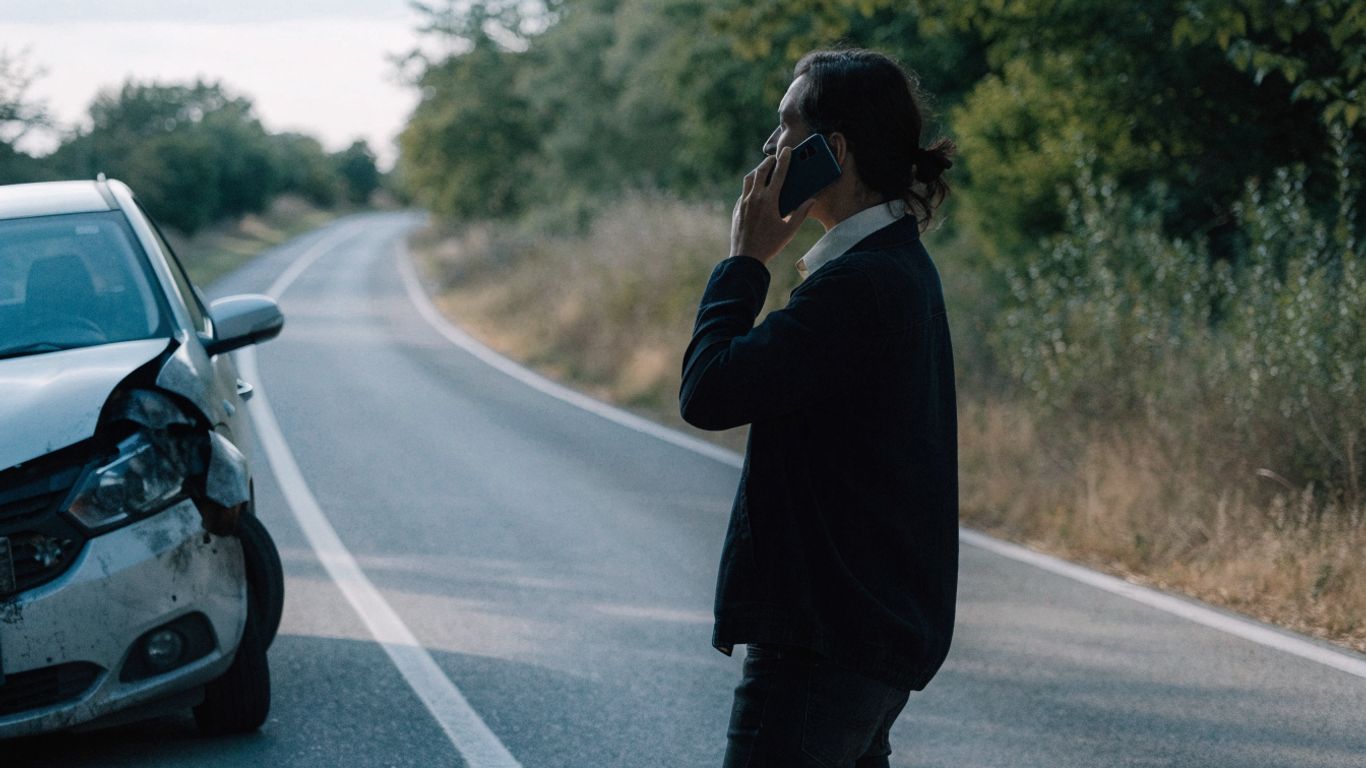
The first priority is to check whether anyone needs immediate assistance and whether the vehicles are creating a hazard.
Call 911 if someone is injured, a vehicle is blocking the road, or the scene appears unsafe. Give the dispatcher your location and explain what happened.
For additional guidance on what to do after a car accident, review the steps involved in responding to a collision and documenting the incident.
Moving the vehicle, if possible, without increasing the risk, can help. If it was not possible to move, I would get myself and passengers to a safer location nearby, avoiding moving traffic if possible.
I would obey the dispatcher’s orders and not move an injured person unless it was necessary due to an immediate threat.
I will stay at the scene until officers arrive, unless I am told to move by emergency personnel or safety dictates that I move.
When officers arrive, explain what happened and provide the details you remember about the fleeing vehicle. Ask how to obtain a copy of the police report and whether additional information will be needed later.
Once you receive the report, learning how to read a police report may help you understand the information recorded about the collision.
Gather Everything You Can at the Scene

After everyone is safe and rescue is available, I would save information, but not endangering myself.
A phone note can take the color, type, direction of travel and any part of a license plate I remember.
Sometimes a partial description can be helpful in identifying one vehicle from another, so I would only describe what I actually saw.
A concise, structured note can help to ensure that key information does not get lost in the hectic rush of the moment. If it is safe, I would document:
- Date, time and exact location of the crash.
- Other vehicle make, model, color, plate number, or other unique features that I noticed.
- Damage to vehicles, debris, road conditions and the surrounding scene.
- Names and contact details of witnesses (if they would like to share).
The scene disappears fast — witnesses leave, skid marks fade, cameras overwrite. Every detail you capture in the first ten minutes is evidence you may never be able to recreate. Do not wait for the police to document it for you.
James R Calloway
Founder, LawyerHelpNow
Photos can help to preserve the scene but I would try not to get into traffic and take the photos from a safe position.
I would also save the original images and create a separate note about what each image depicts. I would keep my answers to witnesses and officers to what I knew and not guess what I did not know.
Get Medical Attention — Even If You Feel Fine

If I had a crash, I would not assume that I am ok because I didn’t feel any pain. I might not notice how I feel when I am stressed and it can be more apparent at a later time. A healthcare provider can evaluate concerns and recommend if further care is necessary.
If I had a severe pain, difficulty breathing, confusion, fainting or other worrying symptoms I would seek urgent help.
If it’s something less urgent, I would still reach out to a health care provider as soon as possible and let them know that I was in a collision. I would be honest about symptoms, when they began and if they have changed.
I would retain copies of visit notes, bills, prescriptions and any work/activity restrictions I received.
Those records can assist me in monitoring care and provide an explanation of the timeline if there are questions later. I would listen to the provider’s directions and would not assume that a symptom is not related without asking.
How Insurance Covers a Hit and Run
Coverage will vary based on the policy, the nature of the loss, and state law, so it is important to review your policy documents and confirm the available coverage with your insurer.
Understanding car insurance for a hit-and-run can help explain which types of coverage may apply when the other driver leaves the scene.
A hit-and-run claim may involve coverage for bodily injury or vehicle damage, and deductibles or reporting requirements may also affect the process. Report the crash promptly and keep a record of your communications with the insurer.
Most people do not realize their own insurance policy may cover a hit and run — including medical bills and vehicle damage. But insurers do not volunteer that information. Knowing what to ask for is the difference between walking away with nothing and recovering what you are owed.
James R Calloway
Founder, LawyerHelpNow
Uninsured Motorist Coverage (UM)
Uninsured motorist (UM) coverage may help cover certain losses when the at-fault driver is uninsured or cannot be identified, depending on the policy and state law.
Reviewing the details of uninsured motorist coverage can help you understand the difference between bodily injury and property damage coverage.
Check whether your policy includes either type of protection and what documentation the insurer requires for a hit-and-run claim.
This is a general format of questions I’d ask my insurance provider. The table is not a coverage determination, but rather the policy language and local rules govern.
When speaking with the insurer, ask the adjuster to identify the specific policy provisions that apply instead of relying only on a general explanation of coverage.
Understanding how an insurance claims adjuster evaluates a claim may also help you prepare for questions about the accident, available evidence, and claimed losses.
If a police report or prompt notice is required, confirm the deadline and the correct submission process in writing.
Collision Coverage as a Backup
When I have collision coverage, it could assist in the repair of my vehicle if I’m involved in an accident, up to the deductible and terms of my policy.
I would ask if the insurance company can come in and look at the damage and what they need before they start repairs. This can be helpful to explain when the other driver is not known, but does not necessarily mean that all expenses will be covered.
I would take photographs before repairs, and would have estimates, receipts and messages from the shop.
If the car is unsafe to drive, I would ask the insurance company what to do and if any temporary transportation costs will be covered. I wouldn’t take those costs for granted without reading the policy.
What Happens If You Have No UM Coverage
If you do not have uninsured motorist coverage, check whether another part of your policy may apply, such as collision coverage for vehicle damage.
The available options depend on your policy and state law, and some losses may not be covered. If the insurer denies or limits your claim, request a written explanation and keep a copy of the decision.
You can also review what to do if your injury claim is denied by insurance to understand possible steps after a denial.
There may be other means to pursue a claim if the driver is later found but the driver’s ability to pay and the law may limit what is practical.
I would continue to contact the insurance company, maintain receipts and records, and consult with a lawyer if I have any doubts about my options.
I would not assume that another person’s policy or the general description of the policy online is the same as mine.
Can You Sue the Driver Who Fled?
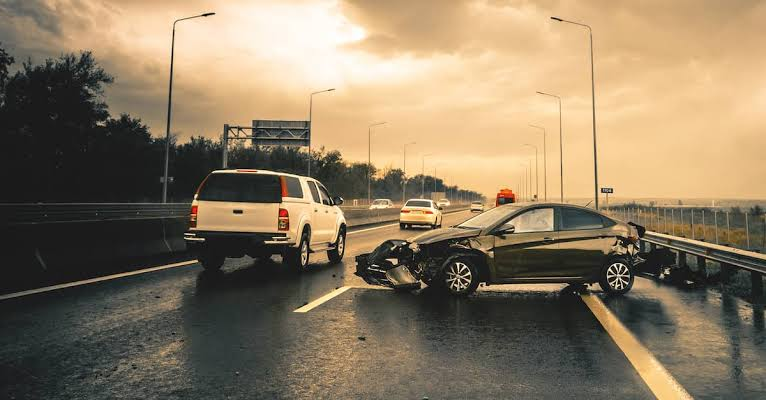
Depending on the facts and local law, if the driver is identified, I may be able to file a civil claim for losses resulting from the crash.
A lawsuit is not a criminal investigation and one does not lead to the other. During the fact-finding process, I would preserve the police report, medical records, repair estimates, and any correspondence with an insurance company.
If the driver cannot be identified, a lawsuit against him or her may be impossible, unless the driver is found later.
But it does not close all the avenues for recovery, as insurance might offer a way if the policy has it. I would inquire with my insurance company about what happens if someone drives my car and they don’t know who it is, and what proof they need.
A lawyer can evaluate who might be liable and what claims may exist, but it will depend on the evidence and jurisdiction.
I would not commit to a result until I looked at the facts, coverage and deadlines. A professional will be better able to assess the situation if a careful record is kept.
How Long Do You Have to File a Hit and Run Claim?
No single date applies to all hit and run claims. Time limits may differ depending on the state, the nature of the claim, the claimant and the notice provisions of the policy.
I would make sure to review the legal filing deadline and any separate insurance reporting deadline as soon as possible.
Even if the lawsuit filing deadline is further in the future, your insurance policy may require prompt notice and specific documentation.
Contact your insurer as soon as possible and confirm any applicable deadlines. You may also want to understand how long an insurance claim takes, although the time needed to resolve a hit-and-run claim will depend on the investigation, available evidence, policy requirements, and circumstances.
I would also maintain a basic timeline of the accident, police contact, medical appointments, repair quotes, and insurance company correspondence.
This record will assist me in identifying missing information and following up before a deadline. If a deadline is coming up, I wouldn’t wait until all the details are sorted out before consulting a competent professional for advice.
How a Lawyer Can Help After a Hit and Run

A lawyer can review the evidence, insurance coverage and deadlines available and discuss potential next steps based on the facts.
If I have serious injuries, a coverage dispute, unclear responsibility or questions about a possible claim, I would speak with one. All counseling should be directed toward the state and situation at hand.
LawyerHelpNow is offered as a means to locate a personal injury lawyer without having to pay anything. I can also provide a free inquiry to determine if I can assist you with legal matters without making an initial inquiry a promise of representation or a specific result.
When talking to anyone, I would take a short history, the police report (if there was one) and important insurance documents.
LawyerHelpNow provides a way to inquire about finding a personal injury lawyer. Before choosing legal representation, it is useful to understand how much a personal injury lawyer costs and ask about the lawyer’s experience with hit-and-run claims, fee structure, potential expenses, and terms of representation. Take time to review the agreement and understand the costs before deciding whether to proceed.
Find legal help
If I want to look around, I can find a personal injury lawyer without paying anything with LawyerHelpNow. I can tell a short story about the crash and inquire about possible next steps in my case.
Frequently Asked Questions
Should I follow the driver who fled?
No. I would not chase the other vehicle, since doing so could put me and others in danger. I would note its direction and description and give that information to police.
Do I need to call the police after a hit and run?
I would contact police promptly, especially if anyone may be injured or the crash creates a hazard. Reporting requirements vary, so I would ask the responding agency what steps apply where the collision happened.
What if I only remember part of the license plate?
I would write down the portion I remember and any other details, such as vehicle color, type, or direction of travel. I would not guess at missing characters; partial, accurate information is more useful than a complete but uncertain plate.
Should I get medical care if I have no pain?
I would contact a healthcare professional if I have concerns after the crash, even if symptoms seem minor or have not appeared yet. Seek emergency care for severe or alarming symptoms, and follow medical advice about next steps.
Will insurance pay for my vehicle damage?
Possibly, depending on the coverage in your policy, the circumstances, and state rules. I would ask my insurer whether collision or uninsured motorist property damage coverage applies and what deductible or documentation requirements may apply.
What if the driver is never found?
I would ask my insurer whether my policy offers coverage for an unidentified driver and what proof it needs. Available options depend on the policy and applicable law, so I would not assume the same answer applies to every claim.
How long do I have to report or file a claim?
Deadlines vary by state, policy, and claim type. I would notify my insurer promptly, ask about any notice requirements, and get legal advice about the applicable filing deadline if I may bring a claim.