


Introduction
A traffic collision can leave you with injuries, medical bills, and a dispute over who was at fault. This guide explains what a traffic collision lawyer does, who may be liable, and what to expect from a claim.
Key Takeaways
A collision claim depends on the facts, the injuries, and the rules in the state where the crash happened. I’d start by protecting your health, documenting what happened, and getting advice before making decisions about a settlement.
- A traffic collision lawyer can investigate a crash, assess potential claims, and communicate with insurers.
- Liability may depend on each person’s actions and the evidence, and more than one party can share responsibility.
- Compensation may cover medical care, lost income, property damage, and other losses supported by evidence.
- Case value varies with injury severity, recovery, liability, insurance, and the strength of the documentation.
- Filing deadlines differ by state and claim type, so it is wise to check the applicable deadline promptly.
What Is a Traffic Collision Lawyer and What Do They Do?
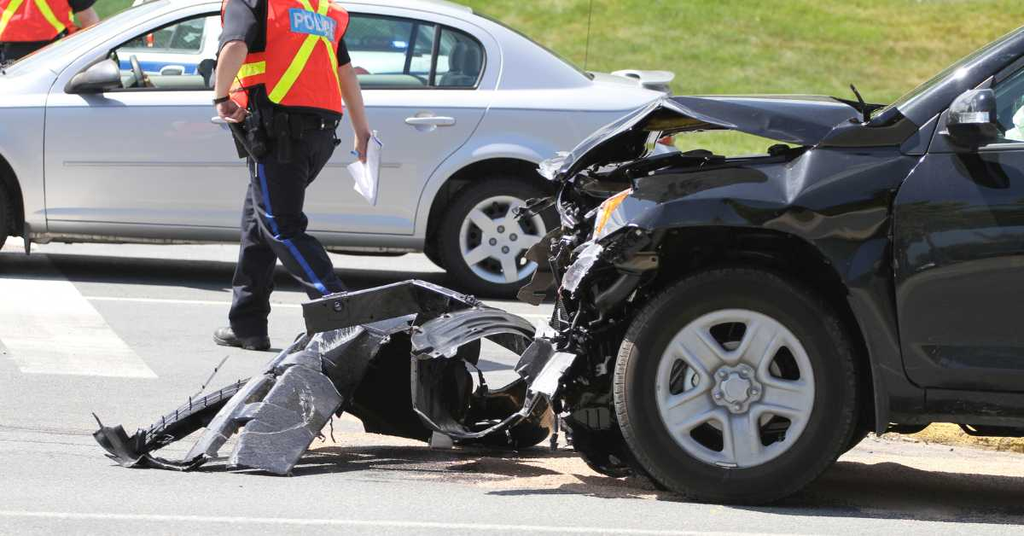
A traffic collision attorney is a lawyer who represents individuals who have been injured in a traffic accident, or assists them in determining what their legal options are.
The first step in the work is frequently to listen to what occurred and to determine what questions require answers: who was responsible, what losses ensued, and what deadlines are relevant.
I would consider the lawyer’s job to be to guide me through a process that can be hard to navigate through when I’m recovering.
A car accident lawyer can collect records, examine the evidence, communicate with insurance companies, and negotiate or litigate a claim, depending on the circumstances.
I would consider the lawyer’s job to be to guide me through a process that can be hard to navigate when I’m recovering.
The lawyer’s role is to explain your legal options and help you understand the steps involved in pursuing a claim.
The specifics are important: An intersection collision may require a different investigation than a rear-end collision. If it’s a general overview of what a lawyer might do, I’d check that out.
Before choosing representation, I’d ask how the lawyer would approach the specific facts, how updates will be handled, and what fees or costs may apply. A short list of questions can make an initial conversation more useful:
- Who will be the primary point of contact for the claim?
- What do I need to keep or seek out?
- What is the fee and case fee structure?
- What will I need to approve?
Those answers can help to clarify expectations without guaranteeing a specific outcome. I’d still ask a personal injury attorney directly about his or her experience with the type of collision you’ve experienced, and LawyerHelpNow is a resource for finding a personal injury attorney without having to pay a fee.
When Should You Hire a Traffic Collision Lawyer?

You should consider hiring a traffic collision lawyer if you’ve suffered serious injuries, the other driver denies responsibility, or the insurance company offers less than your claim may be worth.
Getting legal advice early can help you understand your rights and avoid mistakes that could affect your case.
A lawyer may be especially helpful in these situations:
- Serious injuries: You need ongoing treatment, surgery, or rehabilitation after the accident.
- Disputed liability: The other driver or insurance company claims you caused the crash.
- Low settlement offers: The insurer offers an amount that may not cover your medical bills, lost income, and other damages.
- Multiple vehicles involved: Several drivers or insurance companies may share responsibility.
- Uninsured drivers: The at-fault driver has no insurance or insufficient coverage.
Even if your injuries seem minor, consider seeking legal advice if symptoms worsen or you aren’t sure who is responsible. A traffic collision attorney can review your case and explain your available options.
Most Common Traffic Collisions That Lead to Legal Claims
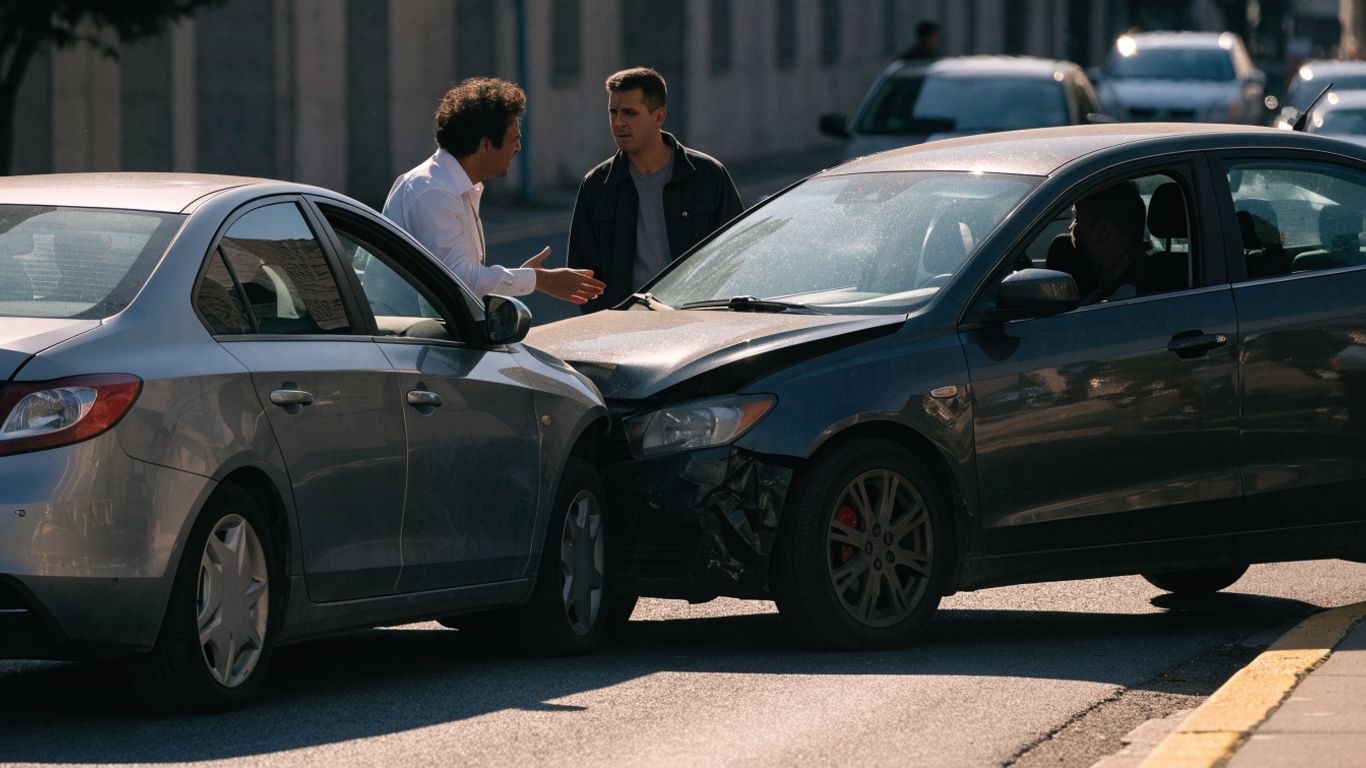
The type of crash can indicate what evidence might be relevant, but the type of crash does not mean that it is an automatic legal claim or fault.
I would look at the events, injuries and records available in conjunction. Below are some examples of why different collisions might raise different questions.
Rear-End Collisions
Even if the rear end impact occurs because the driver has been distracted, failed to stop in time or has been following too closely, the other circumstances are still relevant.
I would want to know if there was a sudden stop, if there were multiple vehicles involved, and what the evidence on the scene indicated.
Photos, witness statements, vehicle damage, and other available records can help clarify how the collision occurred.
If you’ve recently been involved in a crash, reviewing what to do after a car accident can help you understand practical steps for documenting the incident and protecting relevant information.
Intersection Crashes
At an intersection, drivers might not agree who had the right of way or which signal was on. All of these can be relevant: turning movements, obstructed views, traffic-control devices, and witness observations. When each driver has a different recollection of the sequence, a careful timeline can be helpful.
Head-On and High-Speed Collisions
Head on and high speed crashes can cause serious injuries and medical documentation and a clear account of the crash are particularly important.
Investigators can review the positions of vehicles, roadway conditions, and physical evidence available. I would not make any judgments on the damage alone; the whole situation would have to be taken into account.
Sideswipe and Lane-Change Accidents
Sideswipes and lane change collisions frequently involve conflicting descriptions of positioning, signaling, and whether or not a driver looked before changing lanes.
The position of the vehicles may be determined by scrapes and impact points, and nearby cameras or witnesses may provide context.
Photos and any contact details should be saved as soon as possible along with the information.
Multi-Vehicle Pileups
If multiple vehicles are involved in a crash, the initial crash may not be the cause of all subsequent injuries or losses.
The sequence of impacts, the distance between vehicles, visibility and road conditions can all influence the analysis.
In a chain reaction accident, liability can be a complex issue with several drivers involved, so it’s important to get a full story.
Commercial Vehicle and Truck Collisions
When a commercial vehicle is involved in a collision, questions may arise regarding the actions of the driver and who or what may have been involved in the collision.
The facts and applicable law will determine which records are relevant and who may be responsible.
Because collisions involving commercial vehicles can raise questions about the driver, vehicle owner, or other parties, readers may also find this guide to what to do after a truck accident helpful. I would not presume that a business is responsible just because their car was involved.
Who Is Liable in a Traffic Collision?
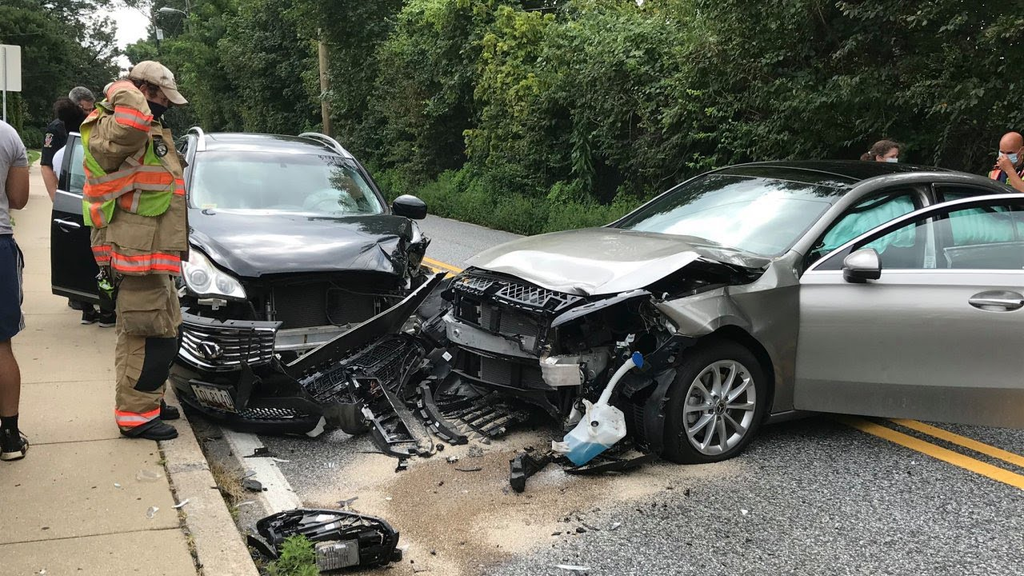
Most often, liability hinges on whether a person or entity was negligent or otherwise legally liable for the accident and any resulting injuries, and whether the negligence or liability played a role in the crash and any resulting injury.
Don’t assume that one report of a collision would be definitive, as the rules differ from state to state. Police reports, photos, witness statements and other records may help to determine what occurred.
Responsibility is contestable and shared. If an injured person’s actions contributed to the collision, they may still be eligible for compensation, depending on the law that applies.
I would first try to determine each individual’s actions and how the evidence connects those actions to the collision.
In some states, comparative negligence rules can reduce the compensation available based on the injured person’s share of fault.
The exact rule varies by state, so the applicable law must be considered before drawing conclusions about a particular claim. A lawyer can explain the rules that apply to the facts, not assume that they do.
In some instances other parties may be considered, but they must be backed up by evidence and law.
For instance, in certain situations, a car owner, employer, or other entity may be relevant, but not necessarily liable.
I would first try to determine each individual’s actions and the evidence of those actions to the collision.
What Compensation Can You Recover After a Traffic Collision?

The type of compensation offered will vary based on the injury, the losses, the evidence, and state law.
A claim can be for costs that have already been incurred and for some future losses, if supported. As things unfold, I would save copies of bills, pay records, repair estimates, etc.
Examples of typical types of claimed losses may be medical costs, lost work, loss of earning capacity, vehicle repair or replacement, and pain or other consequences of an injury.
The categories that apply is specific to the case and the amount must be determined and not assumed. Treatment records and the impact of the injury on the person’s functioning can help to explain the impact.
I would be careful about taking a quick payment until I knew the full scope of the injuries and the terms of a release.
What may be recoverable can depend on insurance payments, the terms of the applicable policy, available coverage, and rules regarding shared fault.
Understanding how personal injury insurance works can help readers learn how insurance coverage may affect a claim and why the details of a policy matter.
I would be careful about taking a quick payment until I knew the full scope of the injuries and the conditions of a release.
A lawyer will be able to review the paperwork and discuss the options without promising a specific amount of recovery.
How Much Does a Traffic Collision Lawyer Cost?

Many traffic collision lawyers work on a contingency fee basis, meaning their attorney fees are paid from the compensation recovered through a settlement or court award. If there’s no recovery, you generally won’t owe a contingency attorney fee, although other case expenses may still apply.
Contingency fees often range from 25% to 40% of the recovery, depending on the attorney, the complexity of the case, and whether a lawsuit or trial is necessary. The actual percentage varies by agreement and jurisdiction.
Before hiring a lawyer, ask about:
- Attorney fees: What percentage will the lawyer receive if your case succeeds?
- Additional expenses: Who pays for medical records, expert witnesses, filing fees, and other case costs?
- No-win, no-fee terms: Will you owe any expenses if your case doesn’t result in compensation?
- Settlement deductions: Are legal fees calculated before or after case expenses are deducted?
Some personal injury lawyers also offer free initial consultations. Reviewing the written fee agreement can help you understand the potential costs before deciding whether to hire an attorney.
How Much Is a Traffic Collision Case Worth?
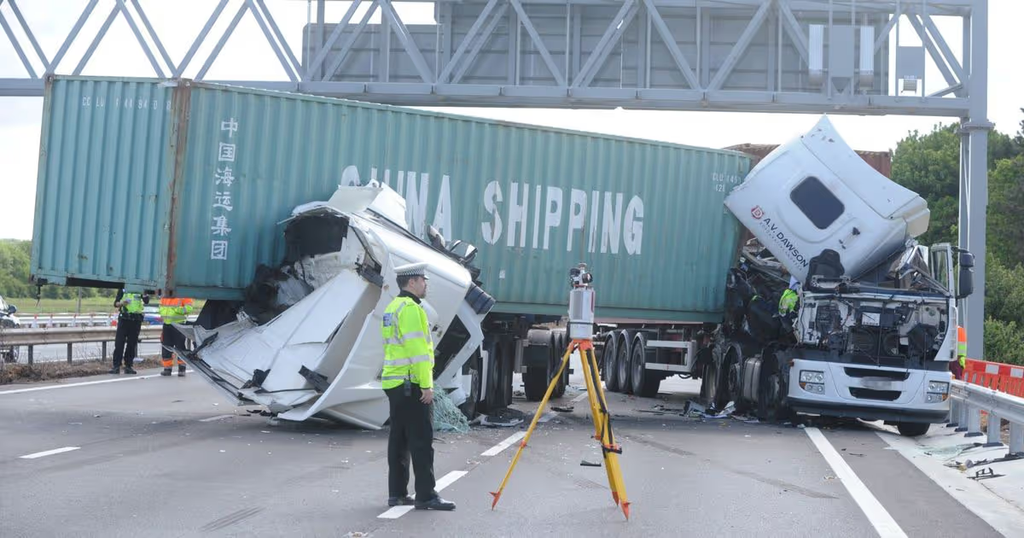
No single figure can determine the value of every traffic collision claim. The value will depend on factors such as injury severity, treatment expenses, lost income, evidence of fault, available insurance coverage, and applicable law.
For a more focused explanation of these factors, read our guide on how much a car accident settlement may be worth.
LawyerHelpNow offers a free method of locating a personal injury attorney, which can assist one start a discussion about their situation.
Two similar crashes can be compared on common factors and demonstrate how similar crashes can result in different evaluations. These are not guarantees, nor a formula, but considerations.
| Factor | Why It May Matter |
|---|---|
| Injury and recovery | Severity, duration, and ongoing effects can shape claimed losses. |
| Medical documentation | Records help connect treatment and expenses to the collision. |
| Income impact | Missed work or reduced earning ability may require supporting records. |
| Evidence of fault | Disputed or shared responsibility can affect a claim. |
| Available coverage | Insurance limits and applicable policies may constrain payment. |
A helpful estimate typically needs more than just receipts; it also requires proof, law, and future effects that can be substantiated.
I would use the online estimates as a guide, not as a final figure that the court or insurance company will pay. If the injuries are ongoing, a premature valuation could leave out key information.
How Long Do You Have to File a Traffic Collision Claim?
Deadlines vary by state, claim type and, in some cases, the party against whom the claim is filed. The deadline for a claim against a government entity, such as a government body, may be different than the standard time limit for a personal injury claim. I would review the rules for the particular collision, not a general rule that I could find online.
Seeking legal guidance promptly can help you understand which deadlines may apply and what steps to take to preserve evidence.
You can also use the statute of limitations calculator as a starting point for exploring a potential deadline.
Because filing periods can depend on the state, claim type, and circumstances, confirm the applicable deadline rather than relying on an online estimate alone.
I would review the rules for the particular collision, not a general rule that I could find online.
If you don’t know where to start, you can send a free inquiry and request information on getting legal assistance.
LawyerHelpNow also includes a free legal inquiry option; I would use the first meeting to explain the deadline, what documents to collect and if the lawyer can give me advice on the claim.
Find a Lawyer at No Cost
If you need help exploring your options after a traffic collision, LawyerHelpNow can help you find a personal injury lawyer.
When contacting a lawyer, ask about their experience with your type of collision, the deadlines that may apply, the documents you should gather, and any fees or costs involved.
Review the terms of the service and the lawyer’s fee agreement so you understand what, if anything, you may be charged.
Frequently Asked Questions
Do I need a traffic collision lawyer after every crash?
Not necessarily. If the collision caused injuries, liability is disputed, or an insurer challenges the claim, legal advice may help you understand your options.
What should I do after a traffic collision?
Seek medical care when needed, report the crash as required, exchange information, and preserve photos, records, and witness details when it is safe to do so.
Can I recover compensation if I was partly at fault?
Possibly. State laws differ on shared responsibility, and any recovery may be reduced or limited depending on the rules and facts.
What evidence can help support a collision claim?
Potentially useful evidence includes medical records, photographs, witness statements, vehicle damage documentation, crash reports, and proof of lost income.
How are traffic collision lawyers paid?
Fee arrangements vary. Ask the lawyer to explain fees, case expenses, and when payment may be due before agreeing to representation.
How long does a traffic collision claim take?
The timeline varies with injury recovery, investigation, negotiations, disputed facts, and whether a lawsuit is filed.
Should I accept an insurance settlement quickly?
Before accepting, consider whether you understand the settlement terms and the extent of your losses. A signed release may limit further claims, so ask questions first.