


Getting into an accident with a large truck is a really serious event. These vehicles are massive, and the crashes can cause a lot of damage and injuries. It’s easy to feel lost after something like this happens, but knowing what to do right away can make a big difference.
This guide will walk you through the important steps to take after a truck accident to help protect yourself and your rights.
If you or someone in your vehicle is seriously injured: stop reading and call 911 immediately. This guide is only for after emergency services have been contacted. If you are in immediate danger, your priority is getting help.
Key Takeaways
- Truck accidents are more complicated than regular car crashes because of federal rules and the sheer size of the trucks. Federal law requires big insurance policies for these trucks, often millions of dollars.
- Your first priority after a crash is safety. Move your vehicle if you can, check for injuries, and call 911 immediately. A police report is important evidence.
- See a doctor right away, even if you think you’re not hurt. Some injuries don’t show up right away, and medical records are vital proof for your claim.
- Gather as much information and evidence as possible at the scene. Take photos of everything, get contact details from everyone involved, and note down details about the truck and its surroundings.
- Be very careful what you say to the truck driver or insurance adjusters. Avoid admitting fault or giving recorded statements until you’ve spoken with a lawyer. Let a legal professional handle communications.
Immediate Steps After a Truck Accident
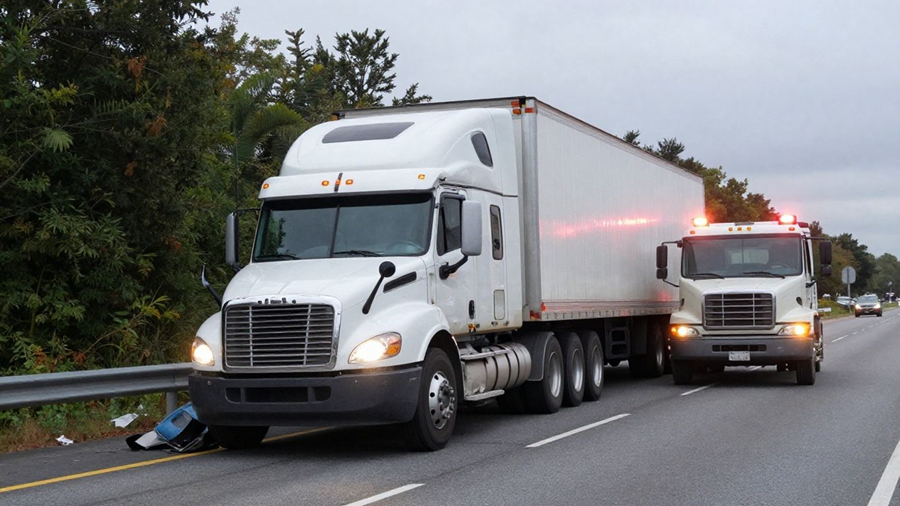
The moments following a collision with a large truck can be incredibly disorienting. It’s easy to feel overwhelmed, but the actions you take right away are super important for your safety and for protecting your rights later on.
Knowing these initial steps can help you manage a chaotic situation and set the stage for recovery. Because these trucks are so big and heavy, accidents involving them can be really bad. Taking a few deep breaths and focusing on what needs to be done first can make a big difference.
Ensure Safety and Check for Injuries
Your absolute first priority is to prevent any more harm. If your vehicle is still drivable, carefully move it out of the way of traffic, like onto the shoulder or into a nearby parking lot. This simple move can keep you from getting hit again and helps clear the road for emergency crews. Once you’ve moved your car, turn on your hazard lights immediately.
This makes your car more visible to other drivers, especially if it’s dark or the weather is bad, and signals that there’s an emergency. If you can’t move your car, stay put inside with your seatbelt on until help arrives. After you’re in a safer spot, check yourself and any passengers for injuries. Even if you feel okay, remember that adrenaline can hide pain from serious injuries. Don’t skip this check, even if the accident seems minor.
Call 911 and Report the Accident
Contact 911 as soon as you can. It doesn’t matter if the accident seems small; reporting it is key. Police officers will create an official accident report, which is a really important piece of evidence for any truck accident claims process.
Emergency responders can also provide medical care if needed. Getting paramedics to check you out is also smart, as some serious conditions like a traumatic brain injury might not show symptoms for hours or even days. This official report is a cornerstone for your case.
Exchange Information with All Parties Involved
Exchanging information is standard, but with a commercial truck, you need a bit more. Get the truck driver’s name, contact details, driver’s license number, and insurance information. Also, make sure to get the name of the trucking company they work for, which is usually on the side of the truck.
Look for a U.S. Department of Transportation (DOT) number on the vehicle and write that down too. This info is vital because what to do after a semi-truck wreck often involves the driver’s employer and their insurance, making it more complicated than a regular car crash. You can use your phone to take pictures of documents if you’re too shaken up to write.
Document the Scene Thoroughly
If you are physically able and it’s safe to do so, use your phone to take pictures and videos of everything. This includes:
- The commercial truck itself, including its license plate and any visible damage.
- The truck driver’s information and the trucking company’s details.
- Your vehicle and any damage it sustained.
- The surrounding area, including road conditions, traffic signals, and weather.
- Any skid marks or debris on the road.
- Visible injuries on yourself or passengers.
Remember to stay calm and avoid admitting fault to anyone at the scene. A simple “I’m sorry” can be twisted by insurance companies. Stick to the facts when talking to the police. Let the professionals figure out who was to blame later. Protecting your rights starts the moment the accident happens, and avoiding any admission of guilt is a critical part of that process. This is one of the most important steps after commercial vehicle accident you can take.
Knowing these steps after commercial vehicle crash can help you manage the situation. If you’re unsure about any part of the process, especially when dealing with large trucking companies and their insurers, it might be time to consult a truck accident lawyer.
Seeking Medical Attention

Even if you feel okay right after the accident, it’s super important to get checked out by a doctor. Seriously. Your body is probably flooded with adrenaline, which can mask pain and injuries you don’t even know you have yet. Think of it like this: you might have a headache, but it could be a sign of something more serious going on inside.
Why Immediate Medical Evaluation is Crucial
Getting a medical evaluation right away does two big things. First, it’s all about your health. A doctor can spot injuries like internal bleeding, concussions, or even just bad whiplash that you might not notice until days later. They know what to look for and can get you the treatment you need before things get worse. This prompt attention is key to your recovery.
Second, it’s really important for your legal case. When you see a doctor, everything is documented. Your symptoms, the doctor’s diagnosis, the treatment plan – it all becomes official medical records.
This record is solid proof that your injuries came directly from the truck accident. Without it, an insurance company might try to say your pain started later or wasn’t caused by the crash at all. Having that medical record from the accident scene helps build a strong foundation for any claim you might make.
Here’s a quick rundown of why seeing a doctor ASAP matters:
- Catches Hidden Injuries: Adrenaline can hide serious issues.
- Establishes a Timeline: Creates a clear record linking injuries to the crash date.
- Provides Documentation: Medical records are powerful evidence for your case.
- Starts Your Recovery: Gets you on the right path to feeling better.
Understanding Delayed Symptoms
It’s not uncommon for symptoms to show up later. Things like neck pain, back stiffness, headaches, or even dizziness might not hit you until hours or even days after the collision. These are often signs of soft tissue damage or more serious conditions that weren’t immediately apparent.
Don’t dismiss any aches or pains, no matter how small they seem at first. It’s always better to get checked out and be told you’re fine than to ignore a potential problem that could cause long-term issues or complications down the road. Your well-being is the top priority.
Make sure you follow through with any recommended treatments or follow-up appointments. Consistent medical care not only helps you heal but also strengthens the connection between your injuries and the truck accident in the eyes of insurance adjusters and, if necessary, a court. This consistent care is vital when you’re dealing with the aftermath and looking into trucking company insurance.
Reporting and Insurance Procedures
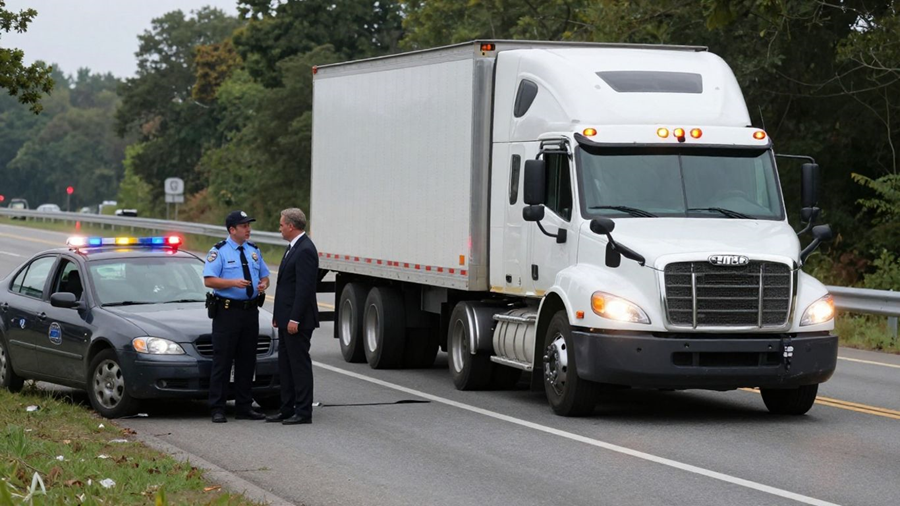
After the immediate chaos of a truck accident, it’s time to get down to the business of reporting what happened and dealing with insurance. This can feel like a whole other hurdle, especially when large trucking companies are involved. Your prompt and accurate reporting is key to a smoother claims process.
Notify Your Insurance Company
Your first call after ensuring everyone is safe and the police have been notified should be to your own insurance company. Most policies have a time limit for reporting accidents, so don’t delay. When you contact them, stick to the basic facts: the date, time, and location of the crash, and the contact details for everyone else involved.
You don’t need to get into a deep discussion about who might be at fault or the extent of your injuries just yet. Just provide a clear, factual report to get the ball rolling on your claim. It’s a good idea to understand your policy’s coverage before an accident happens, so you know what to expect.
Understanding Trucking Company Insurance
Trucking companies carry commercial auto insurance, which is often much more extensive than standard auto insurance. This is because trucks are larger, heavier, and can cause more significant damage.
When you’re dealing with the trucking company’s insurer, remember they represent the trucking company’s interests, not yours. Their goal is often to minimize the payout. You might be contacted by an insurance adjuster soon after the accident.
Be very careful about what you say. It’s perfectly fine to politely decline to give a recorded statement or sign any documents until you’ve spoken with a lawyer. You have the right to refuse to speak with them until you have consulted with an attorney.
Simply saying, “My attorney will be in contact with you,” is often enough. They are required to acknowledge your claim and start an investigation within 15 days of receiving notice.
Here’s a quick look at what insurance companies are generally required to do:
- Acknowledge your claim and begin an investigation promptly.
- Provide you with necessary forms and instructions.
- Respond to your communications within 15 days.
- Accept or deny your claim within 40 days after receiving proof of your loss.
- Offer a fair settlement for your damages.
Dealing with insurance adjusters can be stressful. They are trained to gather information that might limit their company’s liability. Stick to the facts, avoid speculating about fault, and never apologize, as even a simple apology can be misinterpreted as an admission of guilt. If you’re unsure about anything, it’s always best to seek advice before speaking with them.
It’s important to gather as much information as possible at the scene, including photos and notes, to provide to your insurance company and potentially for reviewing the police report. This documentation will be vital as the claims process unfolds. , it’s worth understanding what truck and car accident settlements are typically worth, you may be entitled to significantly more than the first figure they present.
When to Consult a Truck Accident Lawyer
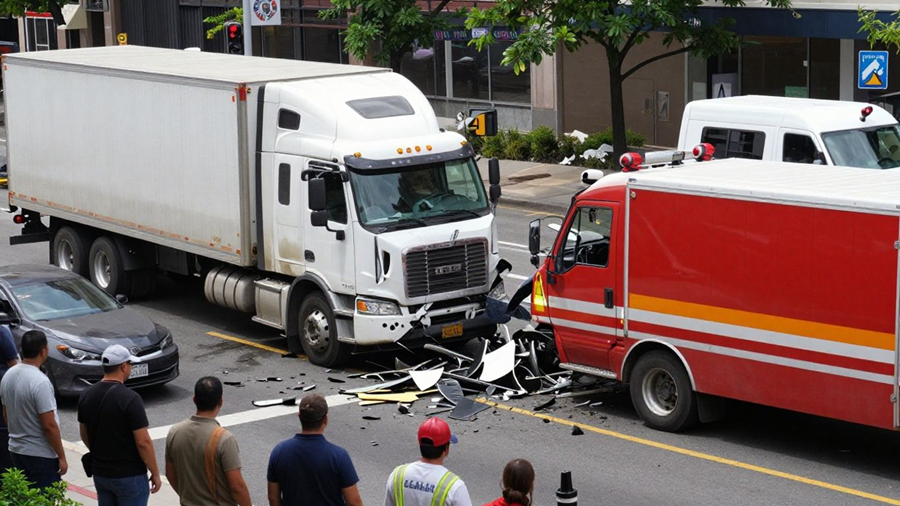
Dealing with the aftermath of a truck crash can feel overwhelming, especially when you’re focused on recovering from injuries. It’s often a good idea to get legal advice sooner rather than later. Trucking companies and their insurers have teams ready to protect their interests from the moment an accident happens. You need someone in your corner fighting just as hard for you.
Truck collision cases are more complicated than typical car accidents. They involve specific federal and state regulations, and there can be multiple parties responsible – not just the driver, but maybe the trucking company, the cargo loader, or even the truck manufacturer. An experienced trucking accident injury lawyer knows how to sort through all of this. They understand how to investigate things like driver logs, maintenance records, and data from the truck’s “black box.”
Here’s why bringing in a lawyer early is smart:
- Evidence Preservation: Critical evidence, like electronic logging device data or witness memories, can disappear quickly. A lawyer can send out preservation letters to make sure nothing is lost.
- Insurance Company Tactics: The other side’s insurance adjusters are trained to get statements that might hurt your case. They might sound sympathetic, but their goal is to minimize payouts. A lawyer can handle all communication, preventing you from saying something that could impact your trucking accident injury compensation.
- Understanding Complex Regulations: Federal trucking laws add layers of complexity. A specialized attorney knows these rules and how they apply to your case.
- Maximizing Your Claim: Without legal help, you might not get the full trucking accident injury compensation you deserve for medical bills, lost wages, and pain and suffering. Our average personal injury settlement guide breaks down what victims typically recover across different types of cases.
Worried about the cost of hiring an attorney? Most truck accident lawyers work on a contingency basis, meaning they only get paid if you win. Read our full breakdown of how much a personal injury lawyer costs before letting that concern hold you back.
Don’t try to handle filing a claim after a truck wreck on your own. Getting truck crash legal advice early can make a big difference in the outcome of your case. Many lawyers offer a free initial consultation, so you can discuss your situation and understand your options without any obligation.
Conclusion
Getting into a truck accident is overwhelming, and the steps you take right after can really shape what happens next. It’s easy to feel lost in the chaos, but focusing on your safety, getting medical help, and gathering as much information as you can will help you down the road. Remember, you don’t have to figure everything out on your own.
Insurance companies and trucking firms move fast, but you can protect yourself by being careful with what you say and reaching out for legal help early. If you’re ever unsure, talking to a lawyer can clear up a lot of confusion and take some of the stress off your shoulders. At the end of the day, your health and peace of mind matter most—so take care of yourself and don’t be afraid to ask for support when you need it.
Frequently Asked Questions
Why are truck accidents so different from car accidents?
Trucks are much bigger and heavier than cars, sometimes weighing up to 80,000 pounds! This means when they crash, the damage and injuries can be way worse. Plus, there are special rules for trucks, and more people might be blamed, like the driver, the company that owns the truck, or even the company that loaded the truck.
What should I do right after a truck accident?
First, make sure everyone is safe and move out of traffic if you can. Then, call 911 right away, even if it seems minor. Get checked by a doctor as soon as possible, even if you feel okay, because some injuries don’t show up right away. Take pictures of everything if you can safely do so.
Should I talk to the trucking company’s insurance right away?
It’s best not to. The insurance adjuster works for the trucking company and wants to pay as little as possible. They might try to get you to say something that hurts your case. It’s usually better to wait and talk to a lawyer first.
Do I really need to see a doctor if I don’t feel hurt?
Yes! Adrenaline can trick your body into not feeling pain right after an accident. Serious problems like internal bleeding or head injuries might not hurt at first. Seeing a doctor creates important records that show your injuries are from the accident.
What kind of information should I get at the scene?
Try to get the truck driver’s name, contact details, driver’s license number, and their trucking company’s name. Also, get the truck’s license plate number and insurance information if possible. If there are witnesses, get their names and phone numbers too.
When should I think about getting a lawyer?
It’s a good idea to contact a lawyer as soon as you can after the accident. Trucking companies and their insurance companies start working on their side right away. A lawyer can help protect your rights, gather evidence before it’s lost, and deal with the insurance companies so you can focus on getting better.