


Introduction
A bus accident claim rarely works like a typical car accident case. With more parties, more evidence sources, and sometimes a government agency involved, knowing who’s actually responsible takes a closer look than most crashes require.
Key Takeaways
A bus accident claim can involve more parties and procedural questions than a typical car crash claim. If you need help from a lawyer bus accident resource, I would focus first on safety, timely medical care, and preserving a clear record of what happened.
- The type of bus and its operator can affect how a claim proceeds.
- More than one person or organization may share responsibility for a crash.
- Medical records and other evidence can help document injuries and losses.
- Some deadlines may depend on whether a government agency is involved.
- A lawyer can help assess the facts and explain possible next steps.
Why Bus Accident Cases Are More Complex Than Regular Car Accidents
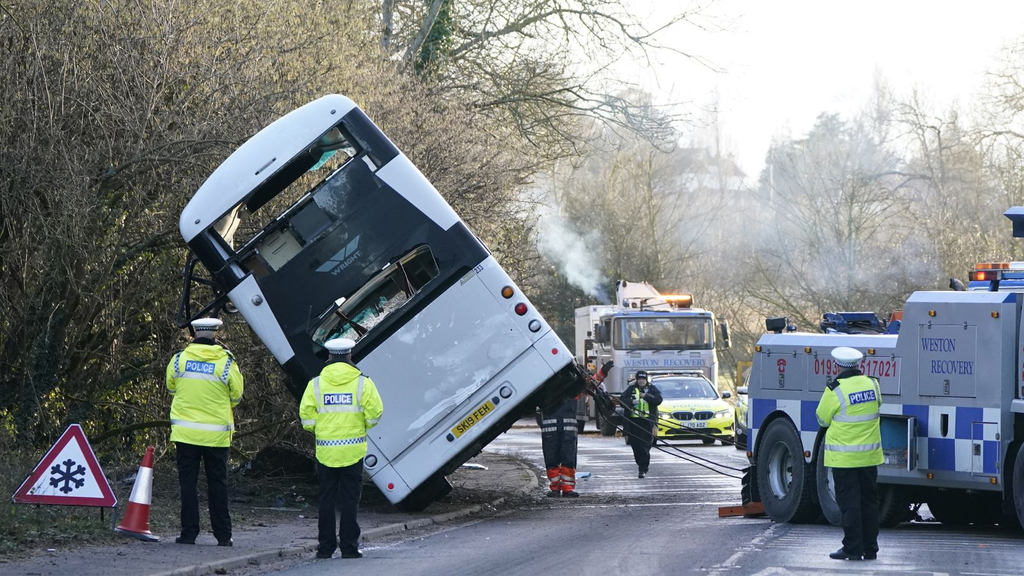
In a bus accident, there can be many parties such as the passengers, pedestrians, other motorists, the transit company or a private company that owns and operates the bus.
Identifying all the parties concerned is not the end of it all because there can be procedures specific to a bus that do not exist in a regular traffic accident. It would be wrong to take a step-by-step procedure that is similar to that used when making a car accident claim.
The evidence could also come from different sources including the parties themselves, witnesses, the bus operator and any public or private records.
There may be evidence that could not be accessible after some time and thus documentation could be done early to preserve it.
In my opinion, every particular incident should be examined individually and not assume that one sole reason will apply to all cases of bus accidents.
In the case of the public transportation operator, there may be specific deadlines or notice requirements and these are different depending on the locality.
The injuries and damages can be suffered by numerous passengers, and the reason for the accident could be controversial.
Such a careful examination will help to separate the facts from that which is yet to be investigated. In my opinion, every particular incident should be examined individually and not assume that one sole reason will apply to all cases of bus accidents.
Types of Bus Accidents That Lead to Lawsuits
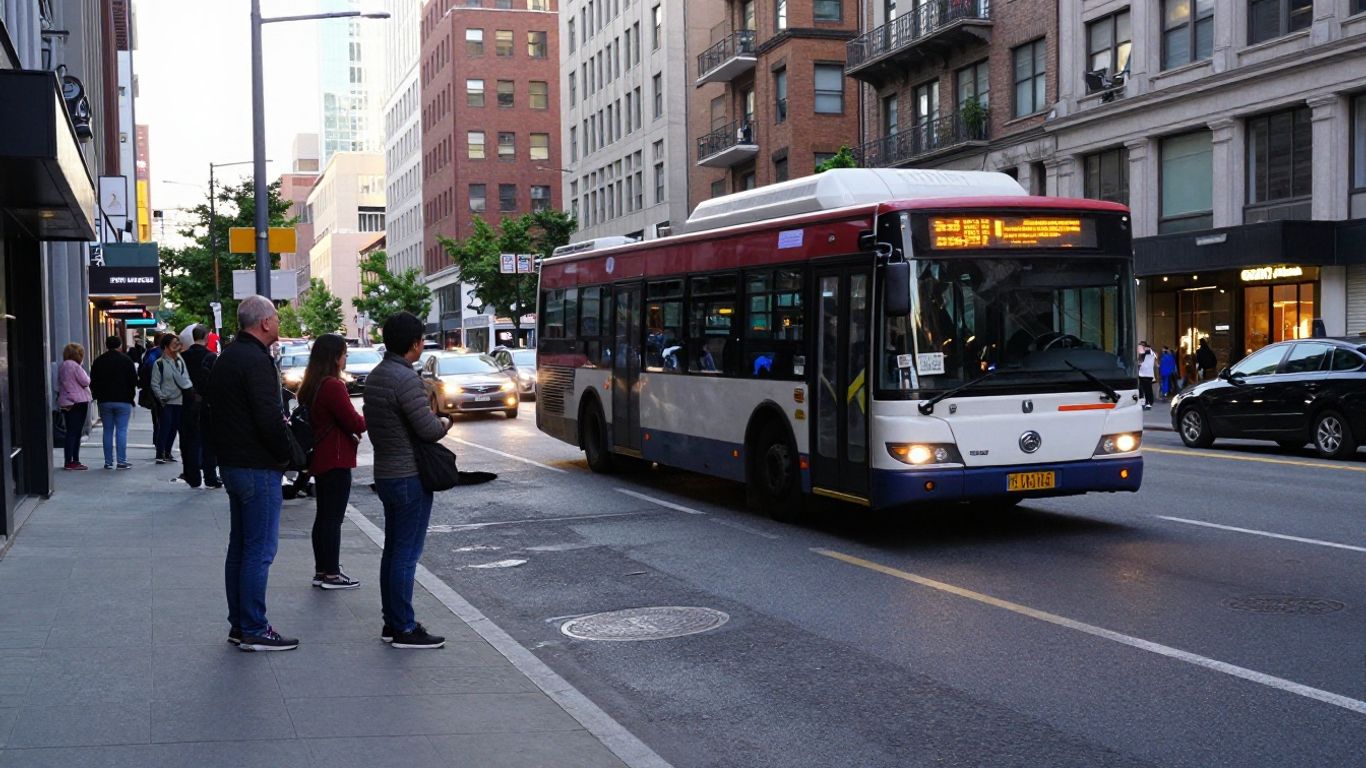
The type of bus involved could affect practical questions that may arise after the accident; for example, who was operating the bus and what route was it running on.
The categories listed below are very general, but specific details regarding any given case will vary depending on where it is being handled.
City and Municipal Bus Accidents
In the case of an accident involving a city or municipal bus, there may be the involvement of a public transportation authority or some other government entity.
Such an occurrence brings in the issue of notice periods and claim filing procedures, which are different from one place to another. I would determine the operator and then research the relevant local rules.
School Bus Accidents
Incidents on school buses could affect the child, caregiver, pedestrian, or occupant of another vehicle. When a pedestrian is injured, the circumstances may also raise issues similar to those discussed in cases involving pedestrian accident injuries.
Such situations could involve an accident on the roadway, or an injury associated with boarding or disembarking from the school bus. Issues pertaining to the operator of the bus and other people involved are part of claims issues, which depend upon the specific set of facts.
Charter and Tour Bus Accidents
Passenger buses such as charter buses and tour buses transport individuals for a purposeful journey that could span many different locations.
It is often the case that there could be a need for you to identify your position in the bus and what occurred during the incident.
Greyhound and Interstate Bus Accidents
A bus ride may take you across state borders, and the location of the accident might be relevant to determine the applicable laws.
You need to keep your ticket, itinerary, and correspondence related to your journey. A lawyer can assess your situation and see what jurisdiction may be relevant.
Shuttle and Airport Bus Accidents
The shuttle may run on a busy highway, at a loading area, or private property. It will depend on the location of the accident, the shuttle company, and the connection between the operator and the place.
Passengers and pedestrians who witnessed the accident should note where the shuttle stopped and how it happened.
Private Company Employee Shuttle Accidents
There can be an employee shuttle that is run either by the company or a transport company hired to provide this kind of service.
All these parties could have their own responsibilities. It should be up to the facts to determine who can be responsible for any incident involving any of them.
Who Can Be Held Liable in a Bus Accident?

The level of responsibility will depend on the reasons for the accident, as well as the interrelationships between the individuals and companies involved in the accident.
The person driving the car might be one party that is involved in this investigation, but the bus company, bus owner, the company providing bus maintenance services, or even another driver might also be involved.
My first point would be starting off with facts related to the incident, rather than immediately assuming that the responsibility lies with the bus driver.
One way to start organizing a preliminary investigation is by distinguishing between the parties involved and the facts that will give an insight into their responsibilities.
| Possible Party | Questions the Evidence May Help Answer |
|---|---|
| Bus driver | What happened immediately before the collision? |
| Bus owner or operator | Who controlled the bus and its operation? |
| Maintenance provider | Were maintenance responsibilities relevant to the event? |
| Another road user | Did another vehicle or person contribute to the crash? |
The table is only a starting point: a party’s presence in the investigation does not establish legal liability. Records, witness accounts, and applicable state or local law may change the picture.
In some cases, multiple parties may share responsibility; in others, the evidence may point elsewhere.
Common Injuries in Bus Accident Lawsuits
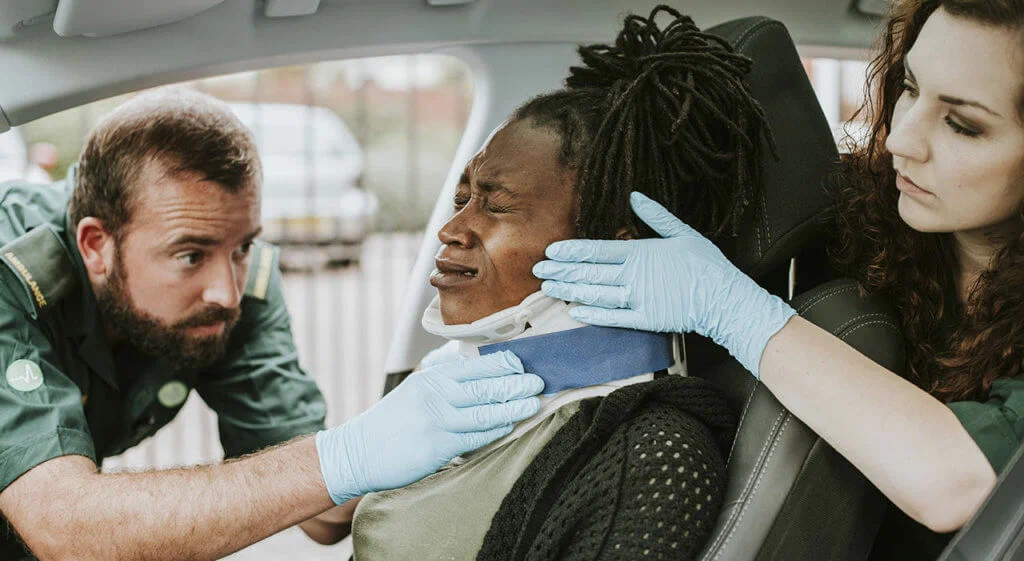
Bus accidents may lead to injuries, which range from those that will develop later to serious and permanent damage. What is required of me is an examination, based on the patient’s condition. I cannot take for granted the lack of pain immediately after the accident.
Traumatic Brain Injuries and Concussions
A blow to the head or rapid jolt during a bus accident could result in a concussion or other type of brain injury.
Symptoms may include headaches, confusion, dizziness, or changes in concentration. Because these symptoms can vary, a licensed medical professional should evaluate the injury and determine whether follow-up care is necessary.
The symptoms could be in the form of headaches, confusion, dizziness, or altered concentration levels.
However, the only one capable of examining an individual is a licensed professional. Follow-ups can help in keeping track of what one goes through.
Spinal Cord Injuries and Paralysis
A severe accident could result in injuries to the spine or spinal cord. The injuries may affect one’s mobility or sensitivity and would need to be examined by a professional.
Broken Bones and Fractures
The passengers are likely to get hurt by the seat, windows, or any other part of the bus, resulting in bone fractures.
Where and how bad the fracture is will influence the treatment needed. Medical imaging and doctors’ reports can confirm the fracture and treatment required.
Whiplash and Soft Tissue Injuries
The sudden impact could stretch muscles, ligaments, or other soft tissues in the neck and back region.
It might not become apparent right away whether there is pain or stiffness, and that could change over time. I would record when the symptoms arise and talk about it with a doctor.
Internal Bleeding and Organ Damage
Not all serious injuries can be seen externally. Abdominal pain, dizziness, weakness, and other signs following a crash require immediate treatment. The doctor will decide if any further testing and treatment is required.
Burn Injuries From Post-Crash Fires
A person could get burned due to the fire caused by the crash. Burn injuries have different levels of severity and need different treatment.
Information on emergency treatment and further treatments can be useful when documenting the injuries. The fire cause itself is another issue.
Wrongful Death of a Passenger or Pedestrian
In the event of a bus accident that results in the death of a passenger or pedestrian, relatives may face questions involving both their loss and potential legal claims.
Depending on the circumstances and applicable state law, eligible family members or representatives of the estate may be able to pursue a wrongful death lawsuit.
What to Do Immediately After a Bus Accident

Firstly, try moving to a safer place if possible without aggravating the injury. Call for help if necessary.
Attend a doctor for any symptoms requiring immediate attention and follow his or her instructions. Personally, I wouldn’t waste time on collecting evidence or discussing anything with insurance companies.
If it is safe, note the facts and gather basic information such as where the accident took place, the time, the bus company, and witness contact information.
The immediate steps can be similar to what to do after an accident, although bus accidents may involve additional parties and procedures.
Personally, I wouldn’t waste time on collecting evidence or discussing anything with insurance companies before getting medical attention for any symptoms that need it first.
Photographs may assist in documenting the scene, damages, or injuries, as long as it is safe and appropriate. The following actions will make it easier to keep the facts straight:
- Preserve your tickets, trip information, and any other communications with the bus company.
- Preserve all of your medical documentation and any bills and notes regarding symptoms.
- Gather witness names and contact information, if possible.
- Do not speculate as to the cause of the accident or say anything that is questionable.
This information can help preserve the facts of what occurred, but it is no substitute for medical and legal assistance.
The time required to resolve a claim can vary based on the injuries, number of parties, evidence, and applicable procedures, so understanding how long a personal injury case may take can provide useful context. Deadlines and procedures can also vary, particularly when a public agency is involved.
Find a Personal Injury Lawyer
Because bus accidents can involve multiple parties, public or private operators, different insurance policies, and potentially time-sensitive evidence, you may have questions about when to hire a personal injury lawyer.
A lawyer can review the circumstances, identify potential parties, and explain the procedures and deadlines that may apply.
Frequently Asked Questions
How soon should I speak with a lawyer after a bus accident?
It can be useful to seek legal guidance promptly, particularly if injuries are serious or a government agency may be involved. Deadlines depend on the location and facts, so do not assume a general rule applies to your claim.
Who may be responsible for a bus accident?
Depending on the evidence, responsibility may involve a driver, bus owner or operator, maintenance provider, another road user, or more than one party. An investigation is needed to assess each person’s role.
Can I bring a claim if I was a passenger on the bus?
A passenger who is injured may have options for pursuing a claim, depending on what happened and the applicable law. Medical records and trip details can help document the circumstances.
What if I was hit by a bus while walking?
A pedestrian injured in a bus collision may be able to pursue a claim, depending on the facts and local law. If possible, preserve witness information, medical records, and details about the location.
What evidence can help with a bus accident claim?
Useful information may include photographs, witness details, medical records, trip documents, and reports related to the incident. The available evidence varies, and some records may need to be requested promptly.
What if my injuries appear days after the crash?
Seek medical advice about new or worsening symptoms and explain that you were in a bus accident. Keep a record of when symptoms began and follow the clinician’s guidance.
Do bus accident claims have special deadlines?
Some claims, including those involving government entities, may have notice or filing requirements that differ from ordinary claims. The rules vary by jurisdiction, so verify the applicable deadlines as soon as possible.