

Common Pedestrian Accident Injuries: Types, Causes & What to Do Next
Being hit by a vehicle while on foot is one of the most physically unforgiving types of accidents a person can survive. Unlike drivers, pedestrians have no seatbelt, airbag, or frame around them, so even a collision at low speed can cause serious, lasting harm. Understanding the injuries these accidents typically cause, and the steps that protect your health and your legal options afterward, can make a real difference in both recovery and any compensation you may be entitled to.
Pedestrian accidents happen for many reasons, including distracted or speeding drivers, poor visibility, failure to yield at crosswalks, and unsafe road design. The injuries that follow can range from cuts and fractures to traumatic brain injuries and spinal damage, and the right next steps often depend on how severe the injury is and who was at fault.
This guide explains the most common types of pedestrian accident injuries, what typically causes them, and what to do in the hours and days afterward to protect both your health and your claim.
Key Takeaways
Pedestrian accident injuries can affect nearly every part of a person’s life, from immediate medical needs to long-term work and emotional challenges.
- A pedestrian may suffer head trauma, spinal damage, fractures, internal injuries, soft tissue harm, or psychological distress.
- Even injuries that seem minor at first can require follow-up care and continued observation.
- Prompt medical treatment creates a clearer record of symptoms and supports recovery.
- Evidence such as photographs, medical records, witness details, and crash reports may matter later.
- A lawyer can help evaluate potential compensation and explain the next practical steps.
What Is a Pedestrian Accident?

A pedestrian collision is an instance where a person using their feet to move is impacted by a moving vehicle or bicycle. Pedestrian collisions usually occur in crosswalks, parking lots, driveway entrances, intersections, sidewalks, and residential streets.
James R. Calloway, Founder of LawyerHelpNow: “A pedestrian has nothing between them and the vehicle — that’s why these injuries are so often more severe than people expect.”
In my experience, such accidents tend to be very complicated due to the fact that the pedestrian has no means of protecting themselves physically against the impacts caused by the object.
The reason behind the collision might be speeding, distraction, non-yielding, low visibility, making unsafe turns, backing up, drunk driving, or an unsafe road condition.
Sometimes, one cannot clearly determine who is responsible for the accident from the first statement and that is when pictures, videos, witness testimonies, and the accident report come in handy. Medical assessment becomes important as well, even when the injuries are manageable.
In my experience, such accidents tend to be very complicated due to the fact that the pedestrian has no means of protecting themselves physically against the impacts caused by the object.
In the case of an accident, the initial priority should not be deciding how to solve the entire legal dispute at once. Instead, focus on emergency care, safety, and documentation. If you are unsure about the immediate steps to take, review our guide on what to do after a car accident.
Keeping track of the appointments, medications, limitations, lost work days, and altered daily routine will also be helpful. In addition, reading about typical pedestrian injuries will give insight into the possible development of symptoms.
Common Types of Pedestrian Accident Injuries
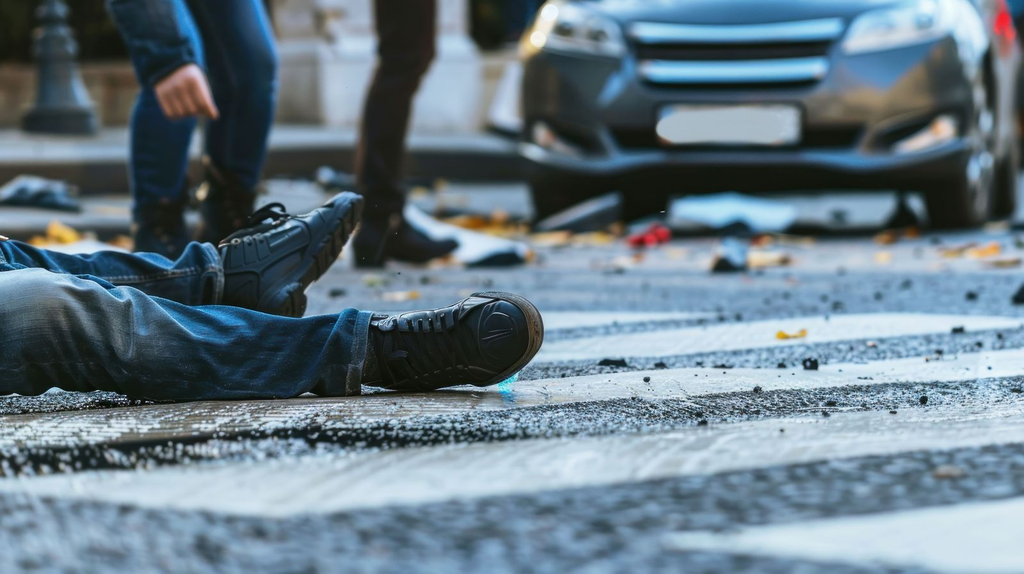
The injuries that pedestrian accidents cause will depend on the speed of the vehicle, the point of impact, the age and health of the person involved, as well as events subsequent to the crash. Many of the injury categories overlap with those discussed in our guide to common injuries caused by car accidents in Texas.
Medical professionals may look for both obvious trauma and less visible damage. The following categories are common, but a person can have several at once, and the seriousness of each injury depends on the individual circumstances.
Head and Traumatic Brain Injuries
A strike to the head or a sudden jolt can result in a concussion, brain injury, or traumatic brain injury (TBI). Because symptoms and long-term effects can vary, you may also want to understand whether you can sue for a brain injury and what evidence may be relevant to a claim.
Certain symptoms take time to develop, hence the reason why immediate medical assistance cannot be delayed if the victim was conscious at the scene of the accident.
They might hinder activities such as working, going to classes, driving, sleeping, and even having conversations. Severe damage to the brain might demand treatment and follow-up. I will record the changes that the patient’s family observed as well as those experienced by the victim of the accident.
Spinal Cord Injuries and Paralysis
Injuries to the spine or the spinal cord can lead to pain, weakness, numbness, lack of coordination, or paralysis. The injuries might have an impact on movement, sensation, bladder or bowel control, and one’s independence.
Even if paralysis is not one of the symptoms, a spinal injury will need imaging, surgical procedure, therapy, mobility devices, and many changes at home.
There are usually many practical consequences of these injuries that cannot be estimated during the first few days after the injury. It may be necessary to have assistance with bathing, dressing, working, and even taking care of the kids. I would keep documentation about the limitations and treatment.
Broken Bones and Fractures
Bone fractures are commonly seen in the legs, arms, ribs, pelvis, feet, or hands, although almost any bone can be affected. Treatment may involve casting, immobilization, surgery, or physical therapy depending on the location and severity of the fracture.
Pain and limited movement can also lead to other complications, such as inability to attend appointments and handle domestic activities.
It is usually more helpful to know the treatment that is needed rather than only knowing the term “fracture.” A fracture and a simple break could imply a completely different level of costs, recovery time, and limitations that could be placed on someone in the future.
| Injury area | Possible treatment | Common practical effect |
|---|---|---|
| Leg, ankle, or foot | Casting, surgery, or physical therapy | Difficulty walking or standing |
| Arm, wrist, or hand | Immobilization, surgery, or rehabilitation | Trouble lifting, gripping, or working |
| Ribs or chest | Monitoring, pain control, and rest | Pain with breathing or movement |
| Pelvis or hip | Hospital care, surgery, and extended rehabilitation | Reduced mobility and need for assistance |
The table is only a general guide, not a prediction of any one person’s recovery. Medical records should explain the actual fracture, treatment, restrictions, and expected course.
Soft Tissue Injuries (Sprains, Contusions, Lacerations)
Soft tissue injuries include sprains, strains, bruising, abrasions, muscle injuries, ligaments injuries, and cuts. These injuries might occur due to the effect of the vehicle’s collision, the interaction of the person with the road, broken glass, or some other hard surface.
A deep cut might need stitching or care for possible infections, while sprain might still impair mobility even when swelling decreases.
These injuries can be overlooked since they might seem less serious compared to the bone fractures. The person might have pain or impaired mobility, and also scaring which will affect his or her ability to work. I would adhere to the prescribed treatment and not consider quick improvements as a sign of recovery.
Internal Injuries and Internal Bleeding
An injury may occur within an organ, blood vessel, the chest, or the abdomen without there being any visible signs of a wound. There may be no immediate indication of internal bleeding, and this bleeding can be very dangerous.
Signs of internal bleeding may be more severe abdominal pain, fainting, unexplained weakness, difficulty breathing, disorientation, or fast heartbeat.
It is important to conduct an emergency assessment in case of suspected internal injury. The absence of panic behavior or bruises does not mean that there have been no injuries. The findings about pedestrian injuries in emergency care research shed some light on this problem after traffic accident.
Psychological Injuries (PTSD, Anxiety, Depression)
The aftermath of a pedestrian accident can result in psychological harm in addition to physical injuries. Some people experience anxiety, depression, PTSD, or other forms of emotional distress that affect work, relationships, sleep, and everyday activities. Learn more about emotional distress compensation and the evidence that may be relevant to these claims.
The individual can experience nightmares, fear of being near vehicles, panic attacks, irritability, depression, trouble focusing, or avoidance behavior related to the area where the accident took place. Such symptoms can be experienced either at once or after the acute health situation has subsided.
Treatment of such issues could be included in the healing process, especially if the symptoms affect sleeping habits, personal connections, work, or even regular movement around the city.
I think I would take such symptoms seriously and bring them up with my doctor because that would not be an indication of weakness on my part.
Head and Traumatic Brain Injuries
Ranging from concussions to severe TBIs, these injuries can affect memory, cognition, and long-term brain function.
Spinal Cord Injuries and Paralysis
Damage to the spinal cord can result in partial or complete paralysis, often requiring lifelong care.
Broken Bones and Fractures
Fractures to the legs, arms, ribs, or pelvis are common and often need surgery and extended recovery time.
Soft Tissue Injuries
Sprains, strains, contusions, and lacerations may look minor but can cause lasting pain if left untreated.
Internal Injuries and Internal Bleeding
Damage to organs or internal bleeding may not be visible right away but can become life-threatening if untreated.
Psychological Injuries
PTSD, anxiety, and depression are common after a traumatic accident and often need professional treatment.
Why Pedestrian Injuries Tend to Be Severe
As an unmounted pedestrian, there is no seat belt, airbags, sturdy structure or any protective cabin to shield my body from the forceful impacts during an accident.
The mass and momentum of the vehicle can transfer large amount of force, and as a consequence, my body can be hit by the hood, windshield or even the ground, curb or anything else.
However, speed is another important variable but not the only one. Shape of the car, its brake system, condition of the road surface, road lights, weather conditions, the angle of collision and other physical characteristics, including age of the pedestrian can affect the outcome of the collision.
The research in vehicle impact speed shows increasing probability of the harm as the impact speed increases and elderly pedestrians may be at greater risk even at low speeds.
Adrenaline can help conceal the pain, and some injuries, especially brain trauma, do not manifest themselves immediately. I take unusual symptoms as a reason to seek medical advice and keep records of what I felt and when.
Finally, the degree of damage might remain unnoticed. There is adrenaline which can help conceal the pain, and there are some injuries, especially brain trauma, which do not manifest themselves immediately. I will take care of my health and will consider unusual symptoms as a motive for seeking medical advice and will keep records of what I felt and when.
Pedestrian Accident Statistics
It is possible to estimate the scope of danger from statistics, yet statistics should be considered carefully because of definition differences, reporting procedures, timeframes, road circumstances, vehicles, and medical developments.
I use statistics in order to find out the risks in general but not to determine the risk of an accident in my particular case.
Children and seniors are identified as especially vulnerable in research and public health conversations, whereas injury characteristics may also vary depending on one’s age, gender, and socio-economic status.
Pedestrian safety recommendations by NHTSA cover both pedestrians’ and motorists’ actions that may be dangerous in terms of visibility, signals, and safer crossing. Although such preventive measures are not able to prevent all accidents, they cover typical situations that increase the risk.
When talking about evidence, the most valuable for the injured person is usually personal and not national one: medical report, length of treatment, work report, photos, witnesses’ testimonies, and limitations. I would collect all these data in one place without using some online statistics instead of professional medical or legal consultations.
I use statistics to understand the risks in general, not to determine the risk of an accident in my particular case. The most valuable evidence for an injured person is usually personal, not national.
Compensation for Pedestrian Accident Injuries
The compensation available after a pedestrian accident depends on the facts of the case, the applicable law, insurance coverage, and the damages caused by the accident. Because every injury claim is different, average personal injury settlement amounts should be treated only as general information rather than a prediction of what a particular claim is worth.
Possible damages might include medical expenses, rehabilitation, medicine, loss of earnings, diminished earning capacity in the future, pain and suffering, mental anguish, and change in the lifestyle of the injured party. Additional possible damages may include transportation expenses and others backed up by documents.
The first step is to collect evidence and preserve documentation. Keep medical records, photographs, witness information, accident reports, and communications with the insurance company. Understanding the role of an insurance claims adjuster can also help you prepare for communications about your claim.
I would collect the following documents while the memory is still fresh:
- Emergency and follow-up medical documentation
- Photographs of injuries, clothing, vehicles, and the site of the accident
- Witness names and contact information
- Accident reports, insurance communication, and other correspondence
While these documents cannot ensure any particular outcome, they will make the process easier to understand and clarify any missing information. It would not be appropriate to make a recorded statement or agree to settle quickly without first understanding the extent of the damages. If an insurer later disputes or denies the claim, learn what to do if your injury claim is denied by insurance before accepting the decision.
I would treat finding a lawyer as one of the possible starting points when the extent of the damages, insurance problems, or other issues make handling the situation independently too challenging.
LawyerHelpNow offers a service whereby you can locate an attorney and ask for a free case review using any of the methods detailed on their website.
I would use the service of finding a lawyer as one of the many possible points of departure when the extent of the damages, insurance problems, or other issues make handling the situation independently too challenging.
Speak With a Lawyer
If you are dealing with injuries from a pedestrian accident that have resulted in medical expenses, lost wages, or significant changes to your daily life, speaking with a personal injury attorney may help you understand your options. You can learn more about when to hire a personal injury lawyer before deciding whether legal representation is appropriate for your situation.
Injured in a Pedestrian Accident?
Our intake specialists are available 24/7 to listen, help you understand your options, and connect you with a qualified attorney at no cost.
Frequently Asked Questions
What should I do immediately after a pedestrian accident?
Seek medical care, contact emergency services when needed, report the collision, and document the scene if it is safe. Keep records of symptoms, treatment, witnesses, and communications related to the accident.
Can injuries appear days after a pedestrian accident?
Yes. Some symptoms, including headaches, soreness, emotional distress, and signs of internal or brain injury, may become clearer later. New or worsening symptoms should be discussed promptly with a healthcare professional.
What are the most serious pedestrian accident injuries?
Serious injuries can include traumatic brain injuries, spinal cord damage, paralysis, internal bleeding, major fractures, and multiple injuries affecting several body systems. The seriousness depends on the diagnosis and the person’s recovery needs.
Should I see a doctor if I do not feel badly hurt?
A medical evaluation can identify injuries that are not obvious and create a record of the accident’s effects. It is especially important to seek care if symptoms develop, worsen, or interfere with normal activities.
What evidence can support a pedestrian injury claim?
Useful evidence may include medical records, photographs, witness information, crash reports, employment records, expense receipts, and notes about pain or daily limitations. The relevance of each item depends on the facts of the case.
How is compensation for pedestrian injuries determined?
Potential compensation is evaluated from the injuries, treatment, income loss, future limitations, expenses, and other legally recognized harms. Insurance coverage and local law can also affect the available options.
How long do I have to pursue a pedestrian accident claim?
Deadlines vary by jurisdiction and by the parties involved. Because missing a filing deadline can affect legal rights, I would seek advice about the applicable time limits as soon as reasonably possible.