

Common Injuries Caused by Car Accidents in Texas (2026 Guide)
Getting into a car accident in Texas can be a really scary experience. Beyond the immediate shock, there’s the worry about injuries. Some injuries are obvious right away, while others might not show up for a while.
Understanding the common injuries caused by car accidents in Texas is a big step in knowing what to expect and how to get the help you need. This guide will walk you through what often happens after a crash on Texas roads.
Key Takeaways
- Whiplash and neck injuries are super common after car crashes in Texas, often happening because of sudden head movements.
- Back issues, like herniated discs or even fractures, can result from the force of an impact during a Texas car accident.
- Head injuries, including traumatic brain injuries (TBIs), are a serious concern and can happen even in seemingly minor collisions.
- Broken bones and fractures are frequent injuries, especially in high-speed or severe Texas car accidents.
- Soft tissue injuries, such as sprains and strains, affect muscles and ligaments and are a very common outcome of car wrecks.
Understanding Car Accident Injuries in Texas
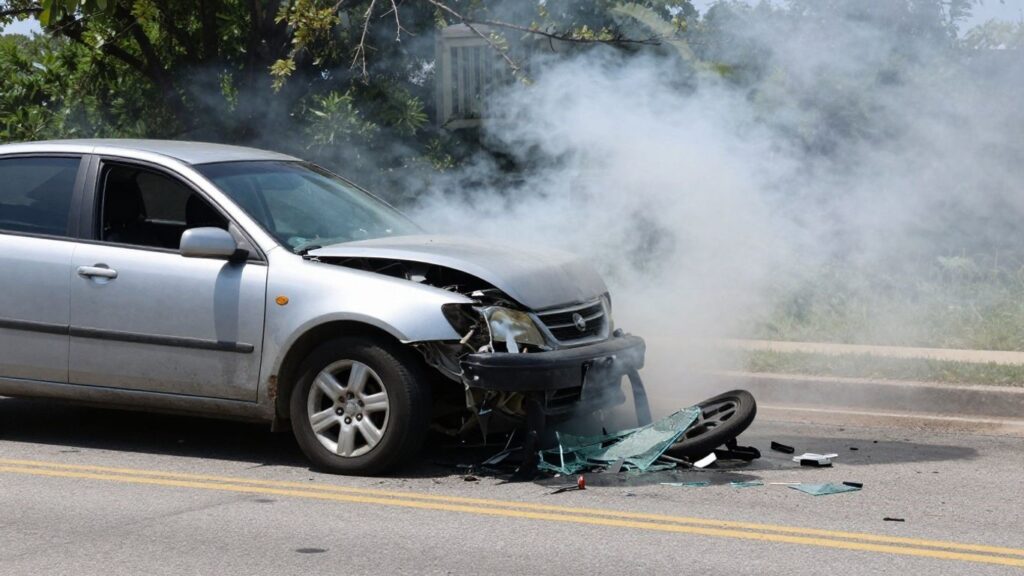
When you’re involved in a car crash in Texas, the aftermath can be more than just dealing with a damaged vehicle. The physical toll can be significant, leading to a wide range of Texas auto accident injuries. It’s not uncommon for people to walk away from a collision thinking they’re fine, only to experience pain and problems days or weeks later. Adrenaline can temporarily reduce pain perception, causing some injuries to go unnoticed immediately after a crash.
Understanding what injuries result from car accidents Dallas drivers might face, or what injuries happen in car accidents Houston residents experience, is key. These Texas car wreck injuries can vary greatly depending on the crash’s specifics. We’re talking about everything from minor aches to life-altering conditions. The types of car crash injuries Houston victims deal with can be quite severe, especially in high-speed collisions.
The reality is, even a seemingly minor fender-bender can cause lasting harm. It’s important to remember that not all injuries are immediately apparent. Some, like whiplash or internal bleeding, might not show symptoms for a while. This is why seeking medical attention after any collision, no matter how small it seems, is so important for Houston collision victim injuries. You can also learn more about the steps to take immediately after a wreck in What to Do After a Car Accident in Texas.
Here are some common types of injuries seen after Texas auto accidents:
- Soft Tissue Injuries: These include sprains, strains, and bruises affecting muscles, ligaments, and tendons. They can cause significant pain and limit mobility. Understanding how much a car accident settlement may be worth can help injured drivers prepare for the claims process.
- Head and Brain Injuries: From concussions to more severe traumatic brain injuries (TBIs), these can have long-term cognitive and physical effects.
- Spinal Cord and Back Injuries: Damage to the spine or discs can lead to chronic pain, numbness, or even paralysis.
- Fractures: Broken bones are a common outcome of significant impact.
- Internal Injuries: Bleeding or damage to internal organs may not be visible but can be life-threatening.
If you’ve been injured, knowing your rights and what steps to take is vital. Consulting with a personal injury lawyer, a car accident Texas specialist can help you navigate the complexities of insurance claims and legal proceedings to ensure you receive the compensation you deserve for your auto accident injuries, which Houston victims often need.
Most Frequent Injuries from Texas Car Crashes

When you’re involved in a car accident in Texas, the impact can cause a wide range of injuries, some of which might not be immediately obvious. Understanding the most frequent types of injuries from car crashes can help you know what to look out for after a collision. These injuries can range from minor aches to life-altering conditions, and knowing the possibilities is the first step in seeking the right care.
Whiplash and Neck Injuries
Whiplash is probably one of the most talked-about injuries from car accidents. It happens when your head is suddenly forced backward and then forward, like the cracking of a whip. This rapid movement can strain the muscles and ligaments in your neck.
While often associated with rear-end collisions, it can occur in many types of crashes. Symptoms might include neck pain, stiffness, headaches, and dizziness, and they don’t always show up right away. Seeking medical attention is key, even if you feel okay initially. Many accident victims also research average personal injury settlement amounts to better understand what compensation may cover.
Back Injuries (Herniated Discs, Fractures)
Your back takes a lot of force during an impact. Injuries can include muscle strains, ligament tears, and more serious issues like herniated discs or even fractures of the vertebrae. A herniated disc occurs when the soft material between your spinal bones pushes out, potentially pressing on nerves and causing pain, numbness, or weakness.
These types of injuries can be incredibly painful and may require extensive treatment. These types of injuries can be incredibly painful and may require extensive treatment. In severe situations, victims may pursue compensation similar to other serious injury claims discussed in how much is a medical malpractice case worth.
Head Injuries and Traumatic Brain Injuries (TBIs)
Even a seemingly minor bump can cause a head injury. TBIs range from mild concussions to severe, life-threatening injuries. A concussion is a type of TBI caused by a bump, blow, or jolt to the head that causes the brain to move rapidly back and forth.
Symptoms can include confusion, memory problems, headaches, and sensitivity to light or sound. It’s important to get evaluated by a doctor if you suspect any kind of head trauma.
Broken Bones and Fractures
Impact forces can easily cause bones to break or fracture. This is especially common in more severe accidents. Common areas for fractures include the arms, legs, ribs, and collarbone. The severity can vary greatly, from hairline fractures to complete breaks requiring surgery. If you’re dealing with broken bones, recovery can be a long process.
If you’re dealing with broken bones, recovery can be a long process. Victims injured in larger vehicle collisions may also benefit from reviewing truck accident lawyer services because commercial crashes often involve more severe injuries.
Soft Tissue Injuries (Sprains, Strains)
Soft tissue injuries affect muscles, ligaments, and tendons. These are often referred to as sprains (ligament damage) or strains (muscle or tendon damage). They can result from the sudden jolting motion of an accident, causing pain, swelling, and limited mobility.
While sometimes seen as less severe than fractures, these injuries can still cause significant discomfort and require proper care to heal fully.
Internal Injuries
These are some of the most serious injuries because they often have no visible signs. The force of a car crash can cause damage to internal organs, leading to bleeding or other serious complications. Symptoms might include severe pain, abdominal swelling, dizziness, or bruising. Internal injuries require immediate medical attention. The leading causes of injury in car wrecks in Austin and other cities often involve impacts that can lead to these hidden dangers.
It’s important to remember that the specific injuries resulting from car accidents can vary greatly depending on the circumstances of the crash. Factors like speed, the angle of impact, and the safety features of the vehicles involved all play a role. If you’ve been in a collision, getting a medical check-up is always a smart move, no matter how minor the accident seems. This is why understanding the most frequent car accident injuries San Antonio residents might experience is so important for everyone on the road.
Factors Influencing Injury Severity in Texas Accidents

When you’re in a car crash here in Texas, a few things really make a big difference in how bad your injuries end up being. It’s not just about whether you were wearing a seatbelt, though that’s important too. The physics of the crash itself plays a huge role.
Speed and Impact Force
Think about it: the faster you’re going, the more energy is involved when two cars collide. Higher speeds mean a much greater force is transferred to your body during the impact. This force can push your body around inside the car, or even cause parts of the car to deform and hit you.
It’s like hitting a wall at 30 mph versus 70 mph; the difference in what happens to you is massive. Even a seemingly small increase in speed can dramatically increase the potential for serious harm, like broken bones or severe head trauma.
- Low Speed (under 20 mph): Often results in less severe injuries, like whiplash or minor soft tissue damage.
- Moderate Speed (20-40 mph): Increased risk of sprains, strains, and some fractures.
- High Speed (over 40 mph): Significantly higher chance of severe fractures, internal injuries, and traumatic brain injuries (TBIs).
“The sheer amount of energy involved in a high-speed collision is staggering. This energy has to go somewhere, and unfortunately, it often goes into deforming the vehicle and, more importantly, into the occupants’ bodies.”
Vehicle Type and Safety Features
What you’re driving matters too. A big, heavy truck is going to react differently in a crash than a small compact car. Generally, larger vehicles offer more protection because they have more mass to absorb some of the impact. But it’s not just size; modern vehicles come packed with safety tech that can really help.
- Airbags: These deploy instantly to cushion your head and chest, reducing the force of impact.
- Seatbelt Pretensioners: These tighten the seatbelt the moment a crash is detected, keeping you more securely in place.
- Crumple Zones: Designed to absorb impact energy by deforming in a controlled way, preventing that force from reaching the passenger cabin.
- Electronic Stability Control (ESC): Helps prevent rollovers and loss of control, which can lead to more severe crashes.
Even with all these features, understanding how Texas law handles fault is important. In Texas, if you’re found to be more than 50% at fault for an accident, you might not be able to recover any damages. This is why gathering evidence, like photos and witness statements, is so critical after a crash, as insurance companies often try to assign blame to reduce payouts. You can find more details on Texas car accident laws to understand your rights.
What to Do After a Car Accident in Texas

Okay, so you’ve just been in a car accident here in Texas. It’s a jarring experience, and your mind is probably racing. The first thing to remember is to stay calm and focus on safety. If you can, move your vehicle out of traffic to a secure spot. Your health and the safety of your passengers are the absolute top priorities.
After ensuring everyone is okay, the next critical step is to call 911. Even if the accident seems minor, having law enforcement on the scene is important. They’ll create an official police report, which is a really useful document later on. When the officer arrives, give them a clear, factual account of what happened. Stick to the facts; don’t guess or speculate.
For a more detailed breakdown, read What to Do After a Car Accident and the Texas-specific guide on what to do after a car accident in Texas.
Here’s a quick rundown of what to do at the scene:
- Check for Injuries: Assess yourself and your passengers. If anyone is hurt, call 911 immediately.
- Call the Police: Report the accident, especially if there are injuries or significant damage.
- Document Everything: Use your phone to take pictures of the damage to all vehicles, the surrounding area, skid marks, and any traffic signs. Get photos from different angles.
- Exchange Information: Get names, addresses, phone numbers, insurance details, and license plate numbers from the other driver(s).
- Identify Witnesses: If anyone saw the accident, get their contact information too.
It’s really tempting to talk to the other driver’s insurance company right away, but be careful. They might seem friendly, but their main goal is to protect their company, not you. They might ask you to give a recorded statement, and anything you say could be used against you. It’s usually best to politely decline and let them know your attorney will be in touch. If you’ve been injured, it’s a good idea to speak with a lawyer who understands Texas car accident laws before you talk to anyone else.
It’s usually best to politely decline and let them know your attorney will be in touch. If you’ve been injured, consider requesting a free case evaluation to better understand your legal options.
“Dealing with insurance adjusters can be tricky. They’re trained to get you to say things that might reduce your claim. Remember, you don’t have to give a recorded statement. A lawyer can handle these communications for you, taking a lot of stress off your shoulders so you can focus on recovering.”
Wrapping It Up
So, we’ve gone over a lot of the common injuries folks deal with after a car accident here in Texas, and honestly, it’s a pretty rough situation. Things like whiplash, broken bones, and head injuries are unfortunately all too common.
Remember, Texas law has its own rules, like that two-year window to file a claim, so don’t wait too long if you’ve been hurt. And if you can, try to be safe out there. Putting the phone down and giving yourself plenty of space on the road can make a big difference. If the worst happens, knowing what to do right after a crash is key, and getting help from someone who knows the ins and outs of Texas law can really help you get what you need to recover.
Frequently Asked Questions
What are the most common injuries from car accidents in Texas?
The most common injuries include whiplash and neck pain, back problems like herniated discs, head injuries such as concussions or TBIs, broken bones, and soft tissue damage like sprains and strains. Sometimes, people can also suffer from internal injuries that aren’t immediately obvious.
How does Texas law handle fault in car accidents?
Texas uses a system called proportionate responsibility. This means if you’re found partly at fault for an accident, your compensation can be reduced by the percentage you’re blamed. If you’re more than 50% at fault, you might not get any money at all. It’s really important to figure out who caused the crash accurately.
What should I do right after a car accident in Texas?
Your first step should always be to check for injuries and call 911 if anyone needs medical help. Then, stay at the scene and wait for the police to arrive. Take pictures of the accident, get information from others involved, and report it to your insurance company. It’s also a good idea to talk to a lawyer.
How long do I have to file an injury claim after a car accident in Texas?
In Texas, you generally have two years from the date of the accident to file a lawsuit for injuries or property damage. There are a few exceptions, but missing this deadline usually means you can’t pursue your claim anymore.
What are some simple ways to avoid car accidents in Texas?
You can help prevent accidents by leaving enough space between your car and the one in front of you, keeping your eyes on the road and hands on the wheel (avoiding distractions like phones), signaling before changing lanes, being cautious when turning left, and slowing down in bad weather or busy areas.
Is vehicle mechanical failure a common cause of car crashes in Texas?
While mechanical problems like brake failure or tire blowouts can cause accidents, they aren’t the main reason most crashes happen in Texas. Human error, such as distracted driving, speeding, or driving under the influence, is much more common.