


The decisions you make in the first 72 hours after a car accident determine whether your insurance claim succeeds or fails. Most people make at least one costly mistake, not because they are careless, but because nobody told them what the insurance company is hoping they will do wrong.
This guide is here to walk you through the important steps after a car accident in Florida in 2026, helping you get through it without too many extra headaches.
What Never to Do After a Car Accident
- Give a recorded statement to the other driver’s insurer
- Accept any settlement offer before completing medical treatment
- Sign any forms from the insurance company without legal review
- Post about the accident on social media — photos, check-ins, and updates can be used as evidence
- Repair your vehicle before it has been documented — physical damage is evidence
- Miss medical appointments or stop treatment before being medically cleared
- Assume the adjuster calling you is on your side
Step 1: Prioritize Safety: Your Immediate Actions
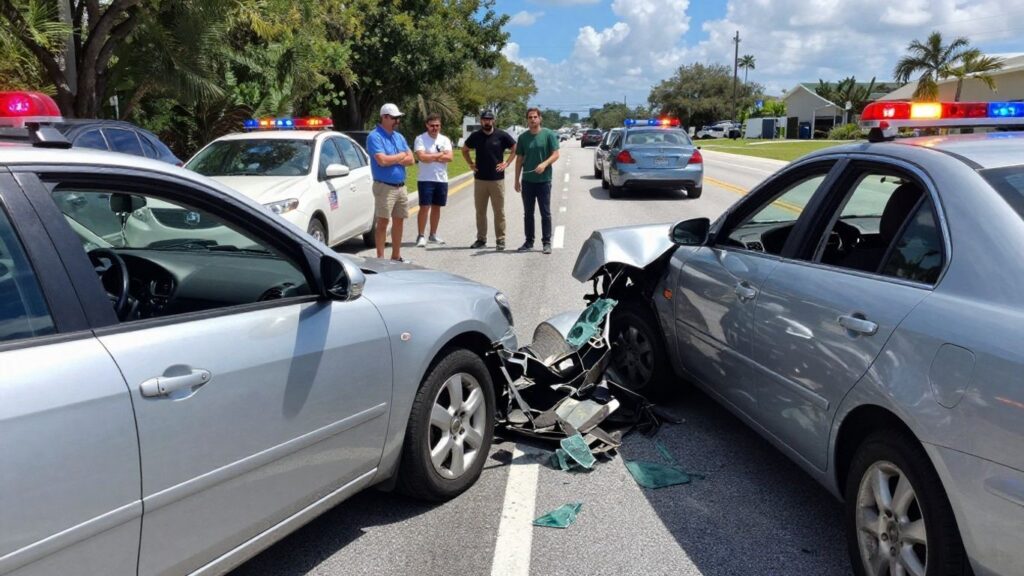
Okay, so you’ve just been in a car accident. It’s a stressful situation, no doubt about it. The most important thing right now is to make sure everyone is as safe as possible. Don’t just sit there wondering what to do next; take action.
Check for Injuries and Call for Help
So first things first, have a look around. Are you or any of your passengers injured? It may seem small, but it’s worth looking up. If someone is hurt, please dial 911 right away. However, if someone is seriously injured, don’t try to move them unless they are in immediate danger, for example, if a car is on fire.
To move them could make things worse. If it’s a little fender-bender and everyone looks OK and the vehicles are still drivable, Florida law actually makes you get them out of traffic if at all possible. This helps prevent more accidents.
Secure the Scene and Move to Safety (If Possible)
Once you’ve checked for injuries and made any necessary calls, concentrate on making the scene safer. If the cars are drivable and no one is seriously injured, move them to the shoulder or somewhere safe nearby. This allows traffic to move and minimizes the chances of a repeat collision.
Once you move the cars, activate your hazard lights. If your car is leaking gas or too bad to drive, don’t try to move it, but turn on those hazard lights for sure. It’s about mitigating additional risk until aid arrives or you are able to safely evacuate the premises.
Step: 2 Gather Essential Information at the Scene
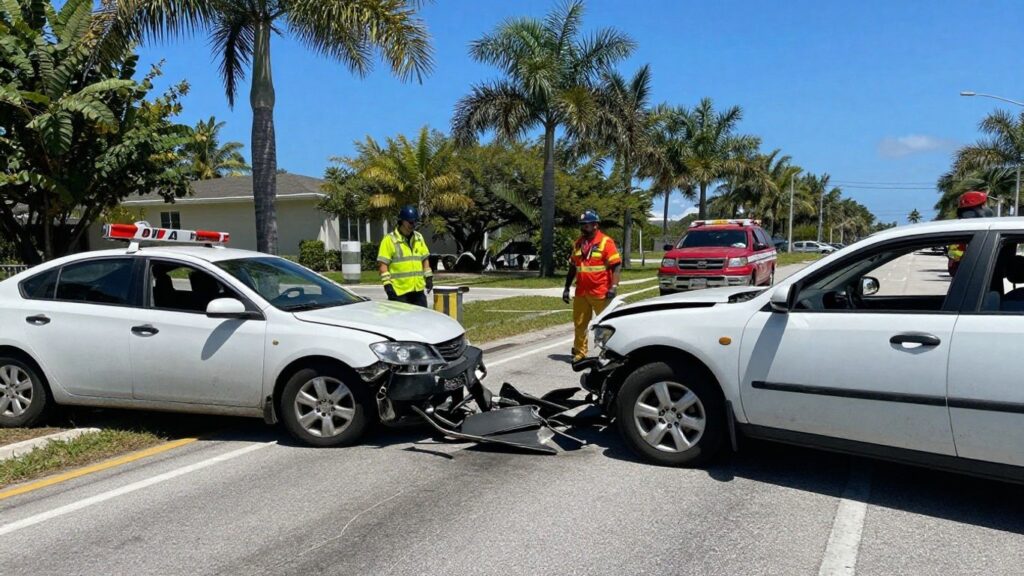
All right, so you’ve ensured this is safe for everybody, and the immediate threat has passed. Then comes the detective part, where you collect all the information. This info is crucial to your insurer (and if it gets tricky, any legality stuff later on).
Exchange Contact and Insurance Details
This is likely the easiest part. You must exchange information with all others who were involved in the crash. Do not skip this, even if the accident seems minor. You’ll want to get:
- Name, Address, and Phone Number
- Driver’s License Number
- Put the name of your insurance company and policy number.
- License Plate Number
- Vehicle Make, Model, and Color
You will definitely want to write this down. Feel free to take a photo of their insurance card and driver’s license, so long as you feel comfortable with it. Also, don’t forget to give them your information.
Document the Accident Scene with Photos and Videos
Your phone is your best friend at the moment. Take as many pictures and videos as you safely can before anything gets moved or cleaned up. Experiment with angles and distance. Get shots of:
- Then removed the stunt vehicles, and Mark Ward towed the wrecks away.
- The general scene, including where the vehicles came to rest, any debris on the roadway, and traffic signals or signs.
- The road conditions and what the weather was at the time.
- Visible injuries (if you or passengers are comfortable with this).
Record a continuous video walkthrough of the entire scene, narrating what you see. This creates a timestamp-verified record far more difficult to challenge than still photos.
Identify and Speak with Witnesses
If you can find someone who witnessed what happened but wasn’t a participant, see if you can get their contact information. Their version of events can be immensely helpful, especially in the event that there’s contention over who caused the accident. Get their name and phone number. A disinterested witness can be a game-changer.
“What you say and do at the scene matters. It’s easy to get flustered, but try to stay calm. Avoid admitting fault, even if you think you might have contributed to the crash. Let the insurance companies and potentially the police figure out the fault based on the evidence.”
— James R Calloway
Look for surveillance cameras on nearby businesses, traffic lights, and residential properties. Note their locations. Most overwrite footage within 30–90 days — acting quickly is essential.
Step 3: Reporting the Accident: Legal Requirements in Florida
This is pretty important after a car crash in Florida: Know the reporting rules. It’s not just about getting your car repaired, but about following the law and protecting yourself. You’re legally obligated to report an accident if there are injuries or if the damage is more than $500.
Even if it feels like a small fender bender, calling the police is generally a solid plan. They will write up an official Florida Traffic Crash Report, which can be very beneficial further on down the line in case of any disputes regarding what occurred.
When to File a Police Report
Not every single bump needs to be reported to the police, but Florida law does require a report in certain circumstances. It’s generally a best practice to call the authorities if:
- Someone gets hurt, or there is a death.
- The estimated total damage to all vehicles and property is $500 or more.
- You think a driver could be drunk.
- A driver gets into a crash and just drives away.
The fastest way to get an officer to the scene is typically by calling 911. So when you report the accident to your local dispatch, provide them with your location, how many people are involved, and if there are any injuries.
The officer’s report will include essential information and witness statements, along with the conditions at the time of the crash. If it is not possible, ensure that you receive a report number or a copy of the report before leaving the scene.
Understanding Florida’s No-Fault Insurance Law
Florida does have a no-fault insurance system. This means, following an accident, you tend to contact your own insurance policy first to pay for medical expenses and lost wages, independent of who was responsible for the crash.
Your Personal Injury Protection (PIP) coverage takes care of this. However, this system has limits. The following thresholds must be met to pursue a personal injury claim against the at-fault driver:
- Serious or permanent injury (such as loss of a limb or organ).
- Permanent scarring or disfigurement.
- Death.
This is why it’s so vital to get checked out by a doctor, even if you feel fine immediately following the wreck. Medical records are crucial for showing the extent of your injuries. If your damages exceed your PIP policy limits, or if you are injured more severely, you may be able to pursue a claim against the other driver’s insurance.
Insurers are known to be hard to deal with. They are for-profit businesses. With recorded statements, it’s often prudent to (have to) be careful about what you say.
Don’t admit fault at the scene — statements made in the moment can be used against you later. If you’re unsure what to do, especially after a serious accident, seeking guidance from a legal professional is a smart move.
Step 4: Next Steps: Dealing with Insurance and Potential Claims
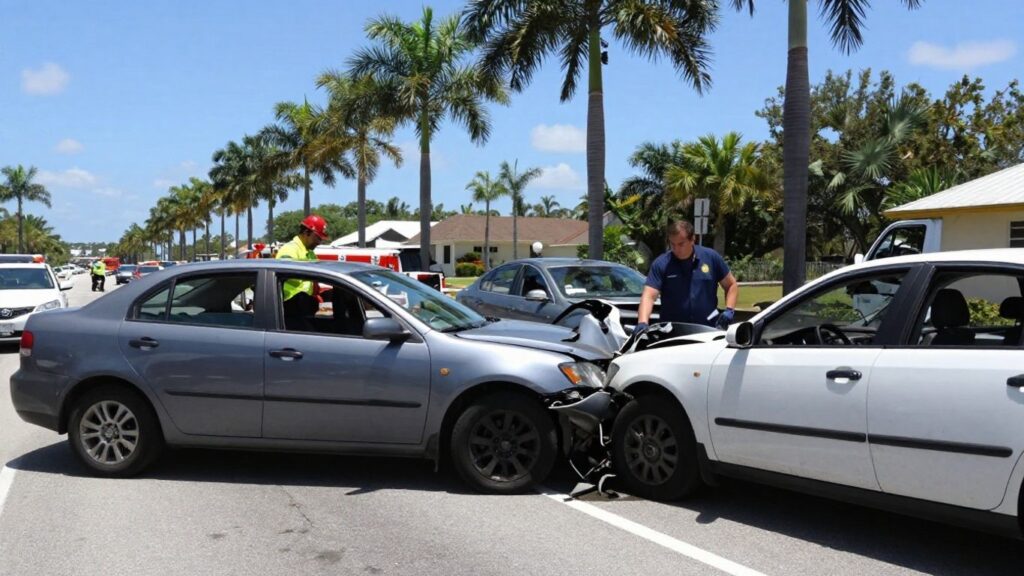
Great, so you’ve dealt with the immediate aftermath. Now, you have to deal with the paperwork and the people willing to pay as little as possible. You should notify your insurance company, but don’t gush. They’re not your friend in this case, even though you pay them. Keep it simple: date, time, place. Don’t speculate about who was to blame or how serious the injuries were. That’s for later.
Use our Florida statute of limitations calculator to make sure you don’t miss a critical deadline. Failing to meet these deadlines could mean waiving your right to seek damages.
Check Your Deadline →Be particularly careful when the other driver’s insurance company calls. They’re certainly not acting in your best interest. Sometimes the best course is to politely decline giving a recorded statement until you sort things out further. Anything you say can become a weapon to your detriment, and they’re trained in the art of word twisting.
Here’s a quick rundown of what to keep in mind:
- Notify your own insurance company promptly. Most policies require this.
- Don’t admit fault or apologize. Even a simple “sorry” can be interpreted as you taking the blame.
- Be wary of early settlement offers. Insurance companies often try to settle quickly for a low amount before you fully understand the extent of your injuries or damages. Learn more about how much a car accident settlement is typically worth before accepting anything.
- Keep all your medical records and bills organized. This is your proof of what you’ve been through.
- Avoid posting about the accident or your injuries on social media. Insurance adjusters look at this stuff, and they can use it to try to reduce your claim.
“It’s really important to keep track of everything. Write down notes from conversations with insurance people, save all your medical paperwork, and document any time you miss from work because of the accident. This stuff adds up and is key to showing the full impact of what happened.”
— James R Calloway
Keep in mind, Florida has a statute of limitations on filing for compensation. For injuries, you must typically obtain medical treatment within 14 days of the accident to qualify for Personal Injury Protection (PIP) benefits. And if you choose to file a lawsuit, there is a two-year statute of limitations. Failing to meet these deadlines could mean waiving your right to seek damages.
Step 5: Consult a Personal Injury Attorney Before Accepting Anything
You do not need to decide today whether to hire an attorney. You do need to speak with one before signing anything the insurance company puts in front of you.
The consultation is free. The attorney gets paid only if they win. There is no financial risk to making the call.
Studies consistently show that injury victims represented by attorneys recover 3–4 times more than those who negotiate alone — even after attorney fees. An attorney identifies damages you may not have thought to claim, negotiates your medical bills down, and knows what similar cases actually settle for in your area.
Bring to your first consultation:
- The police report number
- All photos and videos from the scene
- All medical bills and records so far
- The other driver’s information and insurance details
- Any correspondence you have received from insurance companies
When to Consider Seeking Legal Advice
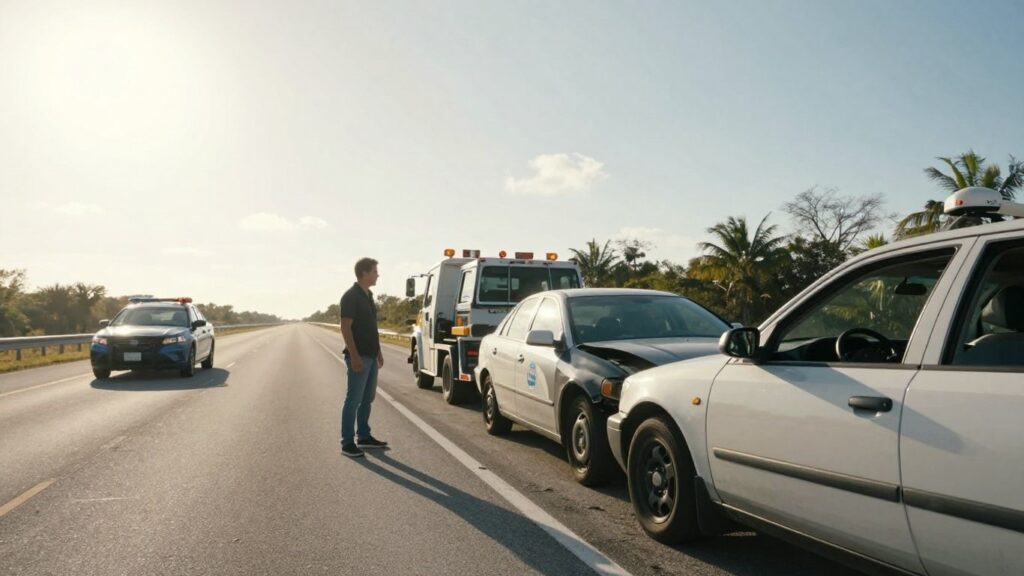
Look, not every fender bender is going to need a lawyer. If it was just a little tap and nobody got hurt, you might be able to work things out with the other driver and your insurance company. But things can get complicated quickly, and that’s when you start wanting to see somebody professional.
If you or a passenger in your vehicle sustained injuries, even if they don’t seem that severe, you have to think about speaking with a personal injury lawyer. Injuries don’t always present immediately, and you may require medical care later.
If you accept a quick settlement offer from the insurance company before you have been able to determine the full extent of your injuries, it could mean that you do not get enough money to cover future medical bills.
f you’re concerned about the cost, read our breakdown of how much a personal injury lawyer actually costs, most work on contingency, meaning no upfront fees.
Here are some other situations where legal guidance can make a big difference:
- Fault is ambiguous or contested: If the other driver accuses you of wrongdoing, or if there were multiple vehicles involved and figuring out who did what is complicated, an attorney can help untangle the mess.
- The insurance company is giving you trouble: If your claim has been denied, the insurance settlement they’re offering is ridiculously low, or you feel uncomfortable about giving recorded statements to the insurance company, it’s obvious they don’t have any interest in your best interest. Note: Their job is, you know, saving the company money.
- Serious injuries or significant property damage: If the accident resulted in major medical expenses, lost wages, or extensive damage to your vehicle, you’ll want an experienced party who knows how to properly value your claim and fight for fair compensation.
- The other driver didn’t have insurance, or it was insufficient: This can complicate getting the compensation you’re entitled to, and an attorney can investigate every available option.
Insurance adjusters are trained to pay out as little as possible. They are not your friends, even if they’re nice on the phone. They want to find ways to lessen what their organization has to pay out, and that sometimes involves trying to get you to say something that may damage your case.
With a lawyer, you have someone in your corner who knows the legal side of things and can manage those talks on your behalf. Also, know that there are deadlines involved; for example, Florida has specific time limits, and if you miss a deadline, such as the 14-day rule (under PIP benefits), it could affect your claim.
You’re under no pressure to accept the first offer that you receive. It’s usually wise to get a free case evaluation before signing anything or reaching a settlement.
Wrapping Things Up
So, handling a car accident in Florida is no walk in the park. It’s a lot to digest, and frankly, pretty stressful. But keep in mind that what you do immediately after it happens can greatly impact how things play out later on, both for your health and bank account. We’ve covered what to do, from staying in place and looking for injuries to speaking with the police as well as your insurance.
It’s all about protecting yourself. If things turn complicated or if you’re unsure, remember that there are people, for example, lawyers attuned to Florida’s functioning, who will be able to help steer you in the right direction. Just do it bit by bit.
Frequently Asked Questions
What’s the very first thing I should do after a car crash in Florida?
Safety is your number one priority. Evaluate yourself and others involved for injuries. If someone is injured, call 911 immediately. If it is safe to do so, move your vehicle out of the way of traffic. Never leave the scene until law enforcement tells you it is OK to do so.
Do I really need to call the police if the accident seems minor?
Yes, it’s a really good idea. And even if nobody appears injured and the damage seems minor, it’s really helpful to have an official police report. This report can be useful later for insurance reasons or if there are any disputes over what happened.
What kind of information should I swap with the other driver?
You must obtain and share basic information such as names, phone numbers, addresses, driver’s license numbers, and insurance policy details. The latter is important for everyone involved, and also required by law.
Is it okay to apologize to the other driver at the scene?
It’s best not to. Even saying ‘sorry’ might feel like you’re admitting blame.” In Florida, any portion at fault for the wreck impacts how much money you may get, so better to leave it to facts and avoid saying anything that might be used against you later.
Should I see a doctor even if I feel fine after the accident?
Definitely. Others, such as whiplash or internal injuries, may not be immediately apparent. Seeing a doctor as soon after the crash as possible is key to protecting your health and establishing important medical records that connect your injuries to the accident, vital for any claims.
When should I think about getting a lawyer involved?
The common recommendation is to speak with a lawyer, which is especially true if you have been injured, lost money due to an inability to work, or simply where the insurance company isn’t being reasonable. They can assist you in understanding your rights and ensure that you receive the compensation that is rightfully yours.