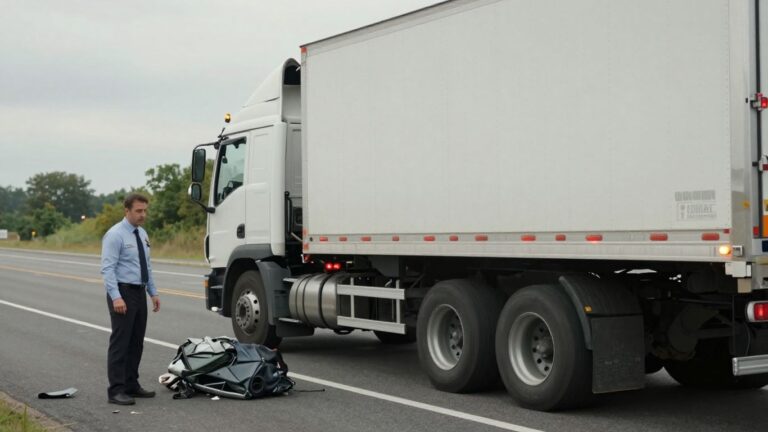

What to Do After a Rental Car Accident Legal Guide
A rental car accident can quickly become stressful because you are dealing with the crash itself, the rental company, insurance adjusters, credit card coverage rules, and possible legal liability at the same time. The safest approach is to treat the situation like any serious vehicle collision: protect people first, document everything, and report the incident through the correct channels as soon as possible.
This guide explains what to do after a rental car accident, how different coverage options may apply, and which mistakes can create unnecessary repair bills or claim disputes. It is written for renters, travelers, passengers, and injured drivers who need clear, practical steps before speaking with the rental agency or insurance company.
Quick Answer: What Should You Do After a Rental Car Accident?
After a rental car accident, first check for injuries and move to a safe place if it is safe to do so. Call emergency services when there are injuries, blocked traffic, suspected impairment, a hit-and-run, or major damage. Then document the scene, exchange information, notify the rental company, contact your insurance provider, check any credit card rental coverage, and keep every receipt, claim number, photo, and repair-related notice.
Do not admit fault, negotiate private cash payments at the scene, or let an unauthorized driver continue using the rental vehicle. Rental agreements often include strict reporting duties, and missing those steps can create coverage problems even when the crash itself was minor. When injuries, disputed fault, loss-of-use charges, or large repair bills are involved, getting legal guidance early can help protect your claim and prevent avoidable financial exposure.
Key Takeaways
- Safety and medical care come before rental paperwork, claim forms, or damage photos.
- A rental car crash should be reported to the rental company through the emergency or accident number listed in the rental agreement.
- Police report rules vary by state, but a report is especially important when injuries, significant damage, intoxication, hit-and-run facts, or disputed fault are involved.
- Rental car coverage may come from several places, including the rental agreement, a loss damage waiver, personal auto insurance, travel coverage, or a credit card benefit.
- Credit card rental coverage is often limited and may require that you pay for the rental with that card and decline the rental company’s collision damage waiver.
- Unauthorized drivers, reckless driving, impaired driving, off-road use, or contract violations can reduce or void rental car protections.
- Keep a complete file with photos, police report details, the rental agreement, claim numbers, medical records, receipts, and all emails from the rental company or insurer.
Immediate Steps After a Rental Car Accident

After a few minutes, the time that you spend immediately following a rental car accident is very important, as your actions can impact your safety, your insurance claim, and the possibility of being able to challenge later charges. A calm sequence enables you to process important information without missing it while attending to emergencies at the scene. Don’t shrug off the incident, even if the damage seems minor, until you are sure what your rental agreement and insurance policy will call for.
Follow the steps below to use this as a practical scene checklist. They are in order since safety is the initial action, evidence is the next, reporting is the third, and claim follow-up is the last. If a step is to be skipped because of injury, traffic, weather, or police instructions, document this later.
If your injuries become serious enough to require compensation, understanding how much a car accident settlement may be worth can help set realistic expectations.
Step 1: Check for Injuries and Move to Safety
Check yourself, passengers, other drivers, cyclists, pedestrians, or anyone else involved. If anyone is injured, trapped, confused, bleeding, or reporting neck or back pain, head pain, chest pain, or abdominal pain, call emergency services right away! Don’t assume you are okay if you don’t have pain, because the adrenaline may mask the symptoms following a car accident.
Move the rental vehicle if it’s in the way and there’s no danger of it being damaged if moved, as per local law and officer instructions. Activate hazard lights, don’t stand between vehicles, or push people out of traffic lanes. If the car is leaking fluids, the airbags have been deployed, or the car is not steering or braking as it normally would, do not move the car unless doing so would pose a greater hazard.
Step 2: Call Police When Required or When the Facts Are Disputed
Reporting requirements for police vary from state to state and depending on the severity of the crash. When you think of practical tips, call the police when there are injuries, deaths, significant damage, hit-and-run, suspected intoxication, an out-of-state driver, a commercial vehicle, a blocked roadway, or disagreement on what occurred. Even if it’s not a legal requirement to report the incident, rental companies may request an official report or incident number.
If officers are not on the scene, inquire about the process for submitting a crash report online, on the phone, or at the station in the future. Write down the officer’s name, badge number, department, incident number, and any instructions given. This information may be significant if the rental firm later asks if the accident had been reported.
Step 3: Exchange Information Without Admitting Fault
Share personal information including names, phone numbers, driver’s license details, license plate numbers, vehicle descriptions and insurance information with all drivers involved. If they are witnesses, please ask them for their name and contact information before they depart. Stay away from ‘I caused this’ or ‘I am not injured’ statements, as they may be misunderstood later.
It is also important to determine who was operating the rental car and if everyone was allowed to do so under the rental contract. It’s important since many rental insurance benefits are based on whether the driver of the car is named on the contract or not. If the driver was not authorized, consult with the rental agency and the insurance provider before deciding that it is their responsibility.
Step 4: Photograph and Video the Scene
A wide shot picture of the general accident scene, including damage pictures of all cars involved. Obtain license plates, traffic lights, skid marks, debris, weather, road condition, lane markings, signs, and other signs near the accident, airbags, dashboard alerts, and visible injuries (as applicable). If the rental car is damaged, take pictures of the damage marks separately, so that they will not be mistaken for new accident damage.
A short video walkthrough can be helpful as it captures context that single photos may not have. Describe simple information including date, time, location, direction of travel, and damage observed but not causal. Keep original files and don’t modify them, as metadata and timestamps might help determine the time of the photos.
Step 5: Notify the Rental Company Immediately
Call the emergency number, accident line, use the mobile app, or follow branch instructions provided in your rental agreement. Inquire from the representative what they require you to provide, if the car can be driven, if another rental is available, and where they need to park the damaged car. Record the claim or incident number and the individual’s name whom you spoke with.
If there is an explicit procedure for reporting accidents in the contract, do not use a general customer service message. Many tenancy agreements stipulate the need for timely notice and collaboration with damage claims. Not returning forms, ignoring them, or waiting too long to return them may be interpreted as a breach of the contract by the company.
Scene Checklist Before You Leave
Before leaving the scene, confirm that you have gathered the minimum evidence needed for both the rental company and any insurer. This simple list keeps the process practical and prevents the article from relying on a table alone. Print it, save it, or keep it in your phone if you frequently rent vehicles.
- Photos and video of all vehicles, damage, road conditions, signs, and license plates.
- Names, phone numbers, addresses, and insurance details for all drivers.
- Witness contact details and brief notes about what each person saw.
- Police report number or instructions for filing a later report.
- Rental agreement number, rental branch location, and emergency contact number.
- Rental company incident or claim number after notice is provided.
- Medical care records, ambulance details, or urgent care discharge paperwork if anyone is treated.
Once these things have been gathered, you can set up the claim much more readily. If it’s a chaotic situation, the priority is safety and official reporting, then try to piece the rest of the story together as quickly as possible from photos, call logs, receipts, and witness messages.
The steps listed below have been summarized in a quick reference format in the table below. It should follow the explanation and not supplant it, as each rental crash will be different and some steps might be required to be taken in a different sequence depending on injuries or police orders.
| Action | Why It Matters | Best Timing |
| Check injuries and move to safety. | Prevents secondary harm and prioritizes medical needs | Immediately |
| Call the police when needed | Creates an official record for the claim and rental company | At the scene |
| Exchange information | Allows insurers and rental agencies to contact all parties | Before anyone leaves |
| Photograph damage and scene | Documents the condition of the vehicle and surrounding evidence | Before moving vehicles, if safe |
| Report to the rental company | Protects contract compliance and starts the damage process | As soon as possible |
| Notify insurers/card provider. | Determines which coverage may apply first | Same day or within the policy deadline |
Reporting the Accident to the Rental Company

Even if you believe the other driver was at fault, the rental company must be contacted immediately as it owns the car. The company could be responsible for recovering the car, authorising towing, replacing the car, assessing the damage, contacting the company’s own fleet claims team, and keeping records. Your reporting obligation is in addition to police and/or insurance reports.
When giving a call, be straightforward. State the location of the car, if anyone was hurt, if police were called to the scene, if the car is safe to drive, and if any other party was involved. Request the representative to send the necessary accident report form or a link to upload it in writing.
What to Tell the Rental Company
- Rental agreement or reservation number.
- Exact crash location, date, and time.
- Whether anyone was injured and whether emergency services responded.
- Police agency, report number, or instructions for obtaining the report later.
- Current vehicle location and whether towing is needed.
- Names and insurance details of other drivers involved.
- Whether any additional or unauthorized driver was operating the rental vehicle.
Be sure to inform the rental company, but do not assume responsibility or assume guilt for the legal liability or agree to pay any charges until the paperwork is in your hands. If the company rings the card afterwards, request itemized invoices, photos, repair estimates, towing bills, administration, and loss of use calculations.
If the car is not safe to drive, you should ask the rental company if they would like the car towed to a certain approved place. Extra contract disputes can be caused by unauthorised repairs, unauthorised towing, or abandoning the vehicle. Always retain receipts for towing, storage, taxi, rideshare, replacement rental, and medical travel costs.
Rental Company Reporting Flow
- Find the emergency or accident number in the rental agreement, app, or rental folder.
- Call the rental company from the scene or as soon as you are safely able.
- Request a claim or incident number and ask for the required accident report form.
- Follow their instructions about towing, replacement vehicles, and vehicle return location.
- Send photos, police report details, and the other driver’s information through the required channel.
- Save every email, text, receipt, form, and representative name in one claim folder.
This process is designed to protect both sides. The rental company needs a reliable record of the vehicle’s condition and location, and you need proof that you complied with the contract. If the company later claims you failed to report the crash, your call logs, emails, and incident number can help resolve the dispute.
Below is a simplified reporting table that can be used as a website quick-reference box. It should appear after the explanatory steps so readers understand what each action means before seeing the summary.
| Reporting Task | Who Handles It | What to Keep |
| Rental company accident report | Renter or authorized driver | Claim number and completed report copy |
| Police or crash report | Officer or driver, depending on local rules | Report number and agency contact |
| Personal auto insurance notice | Policyholder | Claim number and adjuster contact |
| Credit card benefit notice | Cardholder | Benefit case number and coverage terms |
| Medical treatment documentation | Injured person or attorney | Bills, records, discharge instructions |
Dealing with Insurance and Liability After a Rental Car Accident
Multiple types of coverage may apply to a rental car accident, and often it’s difficult to determine who’s responsible for each. You might be covered by a collision or loss damage waiver included in the rental agreement; some personal auto policies have some coverage for rentals; you may have a credit card that offers a rental benefit; the other driver’s liability insurance may be applicable if he or she caused the crash. Every source has its limits, exclusions, deductibles, and reporting deadlines.
The most significant difference in terms of facts is that a collision damage waiver or loss damage waiver is typically not classic insurance. It’s a clause in the contract that will limit your liability for any damage or theft if you abide by it. May exclude personal injuries, property damage, liability to others, or violations including reckless driving, drunk driving, unauthorized drivers, or prohibited use.
If your insurance company refuses to cover your damages, review what to do if your injury claim is denied by insurance to understand your available options before accepting a denial.
Coverage Sources to Review First
- Rental company CDW or LDW: May reduce responsibility for damage or theft of the rental car, but exclusions apply.
- Supplemental liability insurance: May increase third-party liability limits for injuries or property damage you cause.
- Personal accident insurance: May help with medical expenses for you and passengers, depending on the terms.
- Personal effects coverage: May cover personal property stolen from the rental vehicle.
- Personal auto insurance: May extend collision, comprehensive, liability, or medical coverages to rentals depending on your policy.
- Credit card rental benefit: Often covers damage or theft, frequently as secondary coverage, and may require using that card and declining the rental company’s waiver.
- Travel insurance or employer coverage: May apply for business travel or certain trip-related incidents.
When calling each possible coverage provider, inquire if the claim is a primary or secondary claim, if there is coverage for loss of use, if there are administrative fees, and what paperwork is needed. Rental car coverage doesn’t necessarily cover all costs. Some benefits are limited to physical damage; some are excluded from trucks, luxury vehicles, peer-to-peer rentals, international rentals, long rental periods, or off-road use.
While a liability claim is pending, you might still have to work with the rental company if another driver was at fault for the accident. The rental agency can charge your card and then ask for the money back, or deal directly with the insurers. Save all receipts to be able to dispute any charges you may not have or to recover any costs from the other driver’s insurance company.
Coverage Comparison Table
The following table should be used after the coverage explanation as a quick comparison tool. It is not a substitute for reading the rental agreement, card benefit guide, or insurance policy, because coverage varies widely by company, state, vehicle type, and travel purpose.
| Coverage Option | What It May Cover | Important Limitation |
| CDW / LDW | Damage or theft of the rental vehicle and sometimes related fees | May be void for contract violations, reckless driving, intoxication, or unauthorized drivers |
| SLI | Additional liability coverage for third-party injuries or property damage | Does not usually cover damage to the rental vehicle itself |
| PAI | Medical or accident benefits for renters and passengers | May duplicate health insurance or personal injury protection |
| Personal auto policy | Liability, collision, comprehensive, or medical coverage, depending on the policy | May include deductibles, exclusions, or premium impact |
| Credit card benefit | Often, rental vehicle damage or theft when the rental is paid with the card | May be secondary and may require declining the rental company’s CDW/LDW. |
| Travel/employer coverage | May apply to business travel or trip-related claims | Requires proof of an eligible travel purpose and benefit terms |
Common Rental Car Damage Charges to Watch For
The repair costs after a rental car crash can not only include the obvious damage to the vehicle’s exterior but can also encompass various other charges. Rental companies can bill for the towing fee, storage fee, administrative fee, loss of use during the time the car is in the rental company’s hands, the diminished value, the appraisal fee, replacement keys, cleaning, and the tax fee. Some of these charges could be appropriate under the contract, but they should be backed up with documentation.
If your credit card or insurer is investigating the claim, make sure to send every invoice and ask for a written response to what is and isn’t included. If it appears the charge is too high, request repair estimates, fleet utilization records for loss of use, photos, and documentation that the damage was not pre-existing. Don’t pay more than is supported, and don’t forget to keep the right to challenge the amount.
If the rental company or insurer refuses to resolve a legitimate dispute, consulting a lawyer early may help you avoid unnecessary expenses. You can also learn how much a personal injury lawyer costs before deciding whether legal representation makes sense for your situation.
How to Challenge Questionable Charges
- Ask for an itemized invoice showing every charge separately.
- Request repair estimates, final repair bills, and before-and-after photos.
- Compare the damage with your pickup inspection photos and crash scene photos.
- Send the documents to your insurer or credit card benefit administrator.
- Dispute unsupported card charges within your card issuer’s deadline.
- Keep communication professional and in writing whenever possible.
- Speak with a lawyer if the company threatens collections, reports the debt, or demands a large unsupported payment.
Written disputes are stronger than phone-only complaints because they create a record. Include your rental agreement number, claim number, crash date, photos, police report information, and a clear statement of what charge you dispute and why. If you believe the rental company is using unfair or deceptive practices, you may also report the problem to consumer protection agencies.
This table summarizes common charge categories and what documentation you should request before paying or forwarding the claim to an insurer.
| Charge Type | Why It Appears | Documentation to Request |
| Repair cost | Body, glass, tire, wheel, sensor, or mechanical repair | Estimate, final invoice, photos, inspection report |
| Towing/storage | The vehicle was removed or stored after the crash | Towing receipt, storage dates, destination |
| Loss of use | Rental company claims lost rental income during repairs | Repair timeline and fleet utilization support |
| Administrative fee | Claim processing or internal handling cost | Contract clause and itemized basis |
| Diminished value | Claimed reduction in vehicle resale value | Appraisal or valuation support |
| Deductible or excess | Amount you owe before coverage applies | Policy/waiver terms and claim calculation |
What If You Were Injured in a Rental Car Accident?
In case of injury, the rental car documents are not to be a hindrance to medical attention. If treatment is required, seek emergency, urgent, or follow-up evaluation if necessary, and provide a detailed description of how the injury occurred. Retain paperwork, prescriptions, imaging studies, therapy notes, and receipts as medical documentation can play a role in injury claims and also in insurance reimbursements.
Multiple coverages can complicate rental car injury claims: Your auto insurer, at-fault driver, health insurance, travel coverage, PAI, and commercial policy. Where questions of liability are involved, or injuries are severe, legal counsel can assist in determining the sources of coverage, retention of evidence, and avoidance of “out of context” recorded statements.
If your injuries require pursuing compensation, it’s also helpful to understand how long a personal injury case typically takes so you know what to expect throughout the legal process.
When to Contact a Lawyer
- Someone was injured, hospitalized, or suffered delayed symptoms after the crash.
- The other driver denies fault or lacks insurance.
- The rental company is charging for damage you believe was pre-existing or inflated.
- A credit card benefit, insurer, or rental company denies coverage unexpectedly.
- The accident involved an unauthorized driver, business travel, international rental, or multiple vehicles.
- You receive collection notices, lawsuit threats, or demands for loss-of-use and diminished-value charges.
- You are asked to give a recorded statement before understanding your rights.
A lawyer is not needed for every small scratch or minor claim, but legal help becomes more valuable as the financial exposure grows. The earlier you ask for guidance, the easier it is to preserve evidence and avoid statements that could undermine your position.

Special Situations That Can Change the Claim
Not all rental car accidents are the same. The next step will depend on who was behind the wheel, where the accident occurred, whether or not the rental is personal or business, if anyone is injured, and whether coverage was purchased. The situations below are ones that require special attention as they often result in coverage disputes. Not all car accidents that occur when renting a vehicle are the same. Next steps after an accident vary depending on who was driving, the location of the accident, the coverage that had been obtained, if anyone was injured, and if the rental was for personal or business use. Coverage issues that require special attention include those in the following situations:
Unauthorized Driver Was Behind the Wheel
When the driver is not a party to the rental agreement, the rental company might refuse waiver or protection that may otherwise be provided. This may mean that the renter is liable for damage, loss of use, and damages. Be honest and report the facts correctly, but make no assumptions about what happened until the rental company and insurers have read the precise wording of the agreement.
If a friend or family member drove and it was an emergency, record the details. In some agreements, spouses and domestic partners can be automatically added to the driving team, and in others, all drivers must be specified. The rules change depending on the rental, so the rental agreement takes precedence.
An accident happened during business travel.
Business travel can result in coverage changes due to an employer’s policy, corporate rental account, or business credit card. Immediately inform your employer or travel administrator if the rental was made on their behalf. Inquire if there is an incident report, a fleet claim form, or an insurer notice the company will need.
Make sure to check that your personal auto policy extends to all business rentals. Some policies differentiate between business use and other policies that make employer coverage primary. By keeping your employer informed, there is less confusion, and the corporate coverage benefits associated with the rental reservation are maintained.
Accident Occurred Outside Your Home State or Country
Rental accidents involving out-of-state or international providers may have unique reporting requirements, procedures, and coverage exclusions. When traveling outside the country, notify the rental agency, local police, travel insurance provider, and credit card benefit provider immediately. Written documentation is crucial due to language barriers and a lack of familiarity with road rules.
Personal auto policies may not cover international rentals, or credit card benefits may exclude international rentals, and some foreign countries may require local insurance. Maintain copies of passports, rental papers, border crossing permits, and local police papers (if applicable).
Common Mistakes to Avoid After a Rental Car Accident
Most costly rental accident mistakes happen because renters treat the incident as a minor inconvenience instead of a contract-sensitive claim. A small delay or missing photo can later become a dispute over thousands of dollars. Slow down, document carefully, and communicate through the proper channels.
- Leaving the scene without checking injuries or reporting when legally required.
- Failing to notify the rental company promptly through its accident reporting process.
- Letting an unauthorized driver continue using the rental vehicle.
- Admitting fault before the evidence and insurance investigation are complete.
- Assuming credit card coverage applies without reading the benefit terms.
- Driving a damaged rental vehicle after airbags deploy, fluids leak, steering pulls, or lights fail.
- Paying large rental company charges without requesting an itemized invoice.
- Throwing away the rental agreement, receipts, photos, medical records, or email correspondence.
- Ignoring deadlines from insurers, credit card benefit administrators, or the rental agency.
These mistakes are preventable with basic organization. Keep a digital folder named with the rental company, accident date, and claim number. Save every document as a PDF or image so it is easy to forward to the rental company, insurer, card provider, lawyer, or consumer protection agency if needed.
Following the same principles covered in what to do after a car accident can help you avoid many of these common mistakes.
Final Rental Car Accident Documentation Checklist
A complete documentation file is the best way to protect yourself after a rental car accident. It shows that you acted responsibly, preserved evidence, cooperated with reporting duties, and maintained a clear record of expenses. This is especially important when the fault is disputed or the rental company later sends charges that appear inflated.
Use the following points first, then rely on the table for a quick closing summary. This format makes the section easier for readers and search engines while still giving them a clean visual reference at the end.
- Rental agreement and reservation receipt.
- Pickup inspection photos and return/damage inspection photos.
- Crash scene photos and videos.
- Other driver and witness contact details.
- Police report number or crash report copy.
- Rental company accident report form and claim number.
- Insurance claim numbers and adjuster names.
- Credit card benefit claim number and benefit guide.
- Medical bills, treatment records, prescriptions, and discharge instructions.
- Towing, storage, rideshare, hotel, and replacement transportation receipts.
- All emails and letters from the rental company, insurer, card provider, and any lawyer.
The documentation table below is designed as a final quick-reference block. It appears after the detailed checklist, so readers understand why each document matters before they see the compressed version.
| Document | Why You Need It | Who May Request It |
| Rental agreement | Shows contract duties, authorized drivers, and purchased options | Rental company, insurer, lawyer |
| Photos/video | Supports damage, scene, and pre-existing condition disputes | Rental company, insurer, card provider |
| Police report | Creates an official crash record and helps with fault disputes | Insurer, rental company, attorney |
| Medical records | Documents injuries and treatment timeline | Health insurer, auto insurer, lawyer |
| Itemized repair invoice | Allows review of damage charges | Insurer, credit card benefit provider |
| Claim numbers | Keeps follow-up organized across companies | All claim-related parties |
Conclusion: Handle the Rental Car Accident Like a Claim, Not Just a Travel Problem
Rental car accidents are not only about the damage to the car. This can include medical treatment, police reporting, contractual obligations, several layers of insurance, credit card benefit policies, and subsequent billing disputes. The best way is to take a logical step: secure people, document the situation, call the renting agency, inform the insurers, maintain records, and seek legal advice if injuries or serious accusations are made.
If the accident resulted in injuries, any fault is in question, coverage is denied, or the repair costs are substantial, don’t wait until the rental company sends a final bill. Arrange your evidence and consult an experienced car accident lawyer in your state to comprehend what rights you have and what you should and should not say or do to influence the case.
If you’re unsure what compensation may be available, our guides on how much a car accident settlement is worth and average personal injury settlement amounts can provide helpful background before discussing your case with a lawyer.
Frequently Asked Questions
Do I always need to call the police after a rental car accident?
Not always, because reporting requirements vary by location and severity. However, you should call the police if anyone is injured, damage is significant, a driver leaves, impairment is suspected, fault is disputed, or the rental agreement requires a report. When in doubt, requesting an official report is usually safer than having no record.
Should I call the rental company before my insurance company?
Call the rental company as soon as you are safe because it owns the vehicle and may control towing or replacement instructions. You should also contact your insurer and any credit card benefit provider promptly so you do not miss policy or benefit deadlines.
Does my personal auto insurance cover a rental car accident?
It may, but only if your policy extends the relevant coverages to rental vehicles. Collision, comprehensive, liability, medical payments, and uninsured motorist coverage can vary by policy and state, so you should confirm directly with your insurer.
Is a collision damage waiver the same as insurance?
No. A collision damage waiver or loss damage waiver is generally a contractual waiver that may reduce your responsibility for damage or theft of the rental vehicle. It usually does not cover every loss and can be voided by contract violations.
Will my credit card cover rental car damage?
Possibly. Many card benefits require you to pay for the rental with that card and decline the rental company’s collision damage waiver. Coverage may be secondary, may exclude certain vehicles or countries, and may not cover liability or injuries.
Can the rental company charge me for loss of use?
Many rental agreements include loss-of-use language, meaning the company may claim lost rental income while the vehicle is being repaired. Ask for documentation supporting the repair period and any claimed lost rental revenue before paying.
What if the other driver caused the accident?
Still report the crash to the rental company and your coverage providers. The rental company may pursue the other driver or their insurer, but you should preserve evidence and keep claim numbers in case charges are initially directed to you.
What happens if an unauthorized driver crashes the rental car?
An unauthorized driver can create serious coverage problems because rental waivers and insurance protections often depend on the driver being allowed under the contract. Review the agreement and speak with the rental company, insurer, or lawyer before assuming coverage applies.
Can I drive the rental car after the accident?
Only drive it if it is safe, legal, and the rental company permits it. Do not drive if airbags have deployed, fluids are leaking, steering or brakes feel abnormal, lights are broken, a tire or rim is damaged, or police/rental staff tell you not to drive.
When should I contact a lawyer after a rental car accident?
Contact a lawyer if anyone is injured, fault is disputed, the other driver is uninsured, the rental company demands large charges, coverage is denied, or you receive threats of collections or a lawsuit. Early legal guidance can help protect evidence and prevent avoidable mistakes.