

Can I Drive My Car After an Accident? Safety Checklist Before Driving
If you have just been in a crash, one of the first questions is whether your car is still safe to drive. The answer depends on visible damage, hidden mechanical problems, state road-safety rules, and whether driving could make the damage worse before an insurance inspection.
A car that starts and rolls forward is not automatically roadworthy after a collision, especially if the impact affected the tires, steering, brakes, frame, lights, airbags, or warning sensors. This guide explains how to check your vehicle after an accident, when to move it only a short distance, when to call a tow truck, and how to protect your safety, legal rights, and insurance claim.
Key Takeaways
- You may move a car out of traffic after a minor crash only if it is safe to do so and no one needs urgent medical help.
- Do not drive if you see fluid leaks, tire damage, smoke, broken lights, airbag deployment, warning lights, steering pull, brake problems, or loose body parts.
- A vehicle can look fine after an accident but still have hidden frame, suspension, sensor, radiator, or brake-line damage.
- Driving a damaged car can create safety risks and may complicate an insurance claim if additional damage happens after the crash.
- When you are not sure the car is roadworthy, towing it to a repair shop or inspection facility is the safer choice.
Quick Answer: Can I Drive My Car After an Accident?
In the event of a minor accident, where no one has been injured, the vehicle is safe to drive, and there are no signs of issues found in your basic safety checks, then it is safe to drive to safety. At that time, it’s preferable to park at a safe spot, repair shop, or inspection site, rather than proceed with your normal trip.
Do not drive a vehicle with leaking fluids, tire or wheel damage, steering issues, brake problems, deployed airbags, smoke, strange noises, broken lights, or loose panels. Contact a tow truck and make a note of the damage before repairs are made. This is to prevent a second crash that will cause any damage to your insurance record.
What to Do First After the Crash
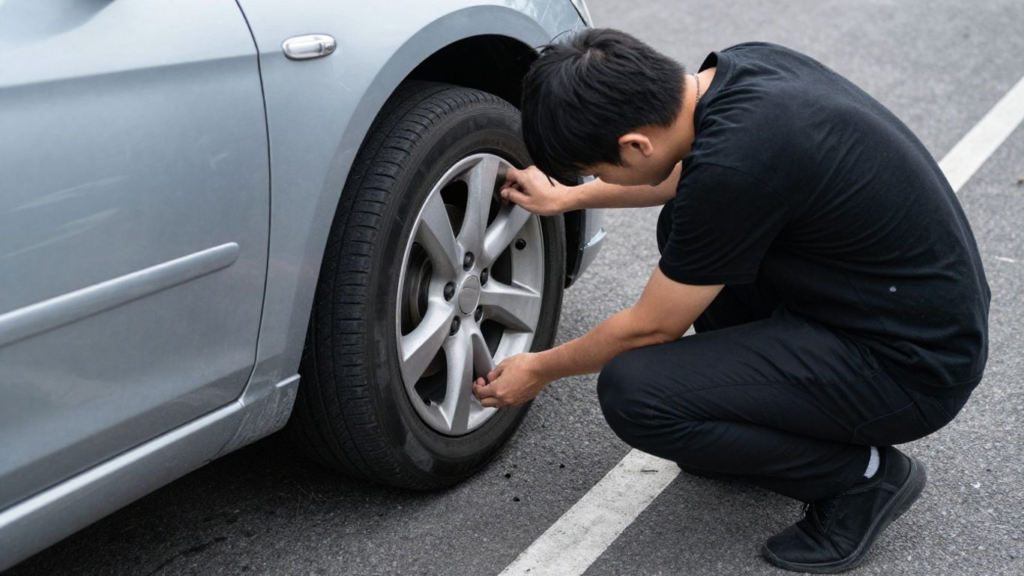
First, it’s the safety of all involved and not the vehicle. Assess the driver and the driver’s passengers for injuries before you begin the car inspection. In the event of injury, confusion, entrapment, or endangerment, dial 911 and obey the directions of the officer or medical professionals who have responded.
Move the vehicle to the shoulder, emergency lane, parking lot, or other safe location if the accident was minor and the cars are safe to move. Use cones, warning triangles, or flares only when it is safe to do so and there is no fuel leakage. Turn on hazard lights, shut down the engine after parking. Don’t leave the scene until you fulfill your legal obligations to exchange information and report the crash.
You can learn more about the immediate steps in this guide on what to do after a car accident.
60-Second Roadworthiness Checklist Before You Drive
A quick checklist helps you avoid guessing while adrenaline is still high. Before you drive away, walk around the vehicle slowly and inspect the systems that affect visibility, control, braking, and fire risk. If any item fails, treat the vehicle as unsafe until a qualified professional checks it.
| Check Area | Safe Sign | Do Not Drive If You Notice |
| Fluids | No dripping, puddles, smoke, or burning smell | Oil, coolant, brake fluid, fuel, transmission fluid, or continuous dripping |
| Tires and wheels | Tires inflated, rims straight, car sits level | Flat tire, sidewall bubble, bent rim, rubbing tire, exposed cords |
| Steering | The wheel turns smoothly, and the car tracks straight at low speed | Pulling, grinding, loose wheel, vibration, or wheel off-center |
| Brakes | Pedal feels normal, and the car stops evenly | Soft pedal, grinding, scraping, brake warning light, or fluid near wheels |
| Lights and glass | Headlights, brake lights, turn signals, and windshield visibility are intact. | Broken lamps, cracked windshield in driver’s view, dangling mirrors. |
| Airbags and sensors | No airbag deployment and no major safety warning lights | Deployed airbags, airbag warning, ABS warning, check-engine flash, or stability-control warning |
| Body and frame | No parts hanging, rubbing, or touching tires. | Loose bumper, bent hood, dragging panel, door that will not latch, or frame distortion |
This table is intended to be used as a first screen – it is not intended as a substitute for a mechanic. Damage to the frame, suspension, airbags, and sensors can be a problem that cannot be seen without the aid of diagnostic equipment or a lift.
If all visible items appear normal, proceed carefully and do not drive on the highway until the vehicle has been checked. Stay in the vehicle for a short period of time; listen for sounds, and if the car pulls, shakes, smells hot, or new dashboard warning lights appear, stop right away.
Immediate Damage Checks After an Accident
1. Check for Fluid Leaks Before Restarting the Engine
Check the front, center, and back of the vehicle for new puddles or continuous drip leakage. Clear water from air conditioners is normal, while oil, coolant, fuel, brake fluid, or transmission fluid means there is a serious issue and it is unsafe to drive the vehicle.
Avoid entering the area. If you smell fuel, see steam, see smoke, or see coloured fluid, get out of traffic and call roadside assistance. A small mechanical problem can escalate to engine failure, brake failure, overheating, and/or a fire hazard if the vehicle is started or driven.
2. Inspect the Tires, Wheels, and Suspension Area
Tire and wheel damage is one of the most common reasons a car should not be driven after a crash. A low-speed side impact can bend a rim, damage a sidewall, knock the alignment out, or push suspension components out of position.
Check for sidewall cuts, bulges, low pressure, bent wheels, rubbing sounds, and a tire that sits at an unusual angle. If the wheel area looks wrong, do not assume the car can limp home; tow it for a proper suspension and alignment inspection.
- Sidewall tears, bubbles, or exposed tire cords.
- A rim that appears bent, cracked, or pushed inward.
- A tire rubbing against the fender, bumper, or inner liner.
- A wheel is sitting at a different angle from the others.
- Air pressure is dropping while you are still at the scene.
3. Verify Headlights, Brake Lights, Turn Signals, and Mirrors
A broken light is more than just an eyesore. Other drivers won’t see your brake lights, turn signals, or headlights, and you become a hazard to others, particularly at night or in inclement weather.
Inspect lights, hazards, turn signals, brake lights, and mirrors around the car. If important lighting or visibility equipment is inoperative, drive if an officer or roadside professional has determined that this is safe and legal to move a short distance, or otherwise tow the vehicle.
4. Test Steering, Braking, and Alignment Only at Very Low Speed
If you need to move the car out of traffic and it appears drivable, test steering and braking gently in a controlled area. Keep the speed low and stop immediately if the car pulls, shakes, scrapes, grinds, or feels unstable.
A car that does not track straight may have suspension or steering damage even if the body damage looks minor. It is not worth testing the vehicle on a highway because a small alignment issue can become dangerous at higher speeds.
Warning Signs That Mean You Should Not Drive
Certain warning signs are strong enough to end the debate immediately. If any of the following symptoms appear after an accident, the safest decision is to call a tow truck and let a mechanic inspect the vehicle before it goes back on the road.
| Warning Sign | What It May Indicate | Best Next Step |
| Steering pulls to one side. | Bent tie rod, damaged control arm, wheel alignment shift, or suspension damage | Do not drive beyond a safe pull-off area; arrange towing. |
| Grinding or scraping when turning | Suspension, brake, wheel, or axle damage | Stop driving and request a professional inspection |
| Brake pedal feels soft or sinks. | Brake-fluid leak, air in line, damaged caliper, or master-cylinder issue | Do not drive; the brakes may fail suddenly |
| Dashboard airbag/ABS/stability warnings stay on | Safety system, sensor, wiring, or control module fault | Have diagnostics performed before normal driving |
| Hood, bumper, or door will not latch | Body or latch damage that could detach while driving | Tow or secure professionally before moving |
| Engine temperature climbs, or steam appears. | Radiator, hose, coolant, fan, or front-end damage | Turn off the engine and call for assistance |
This section also addresses a common post-accident error: If the engine is started, the vehicle is safe. Engine power is just as important as steering, braking, lighting, cooling, and safety systems.
If you don’t know if a sound, smell, or warning light is important or not, assume it is, or stop using the device. If you do not know if a sound, smell, or warning light is serious or not, treat it as serious or stop using the device. You might find it a hassle, but it’ll save you the expense of another accident or aggravating the damage.
Hidden Damage That Can Make Post-Accident Driving Dangerous
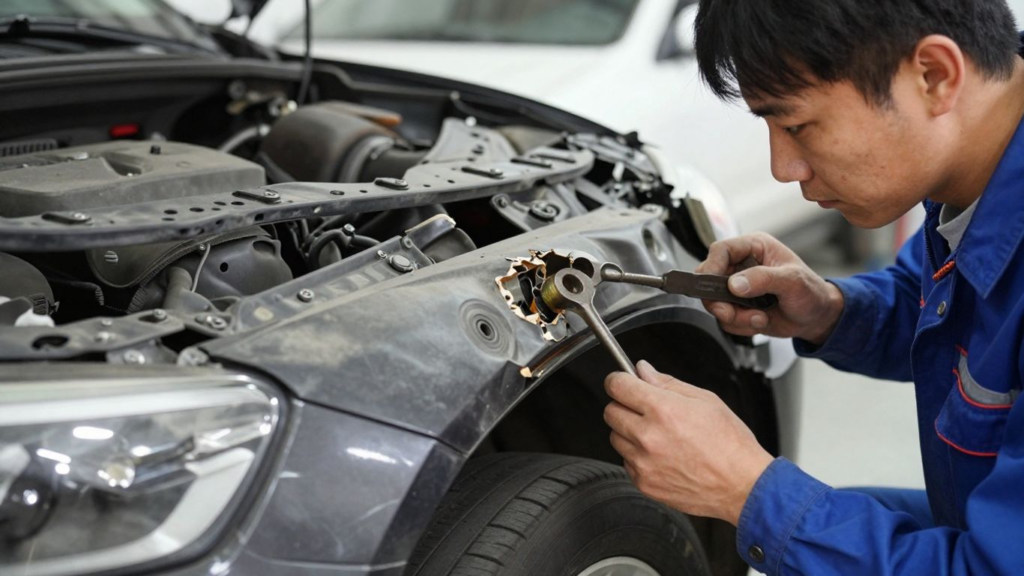
Frame and Structural Damage
Modern vehicles have engineered areas that can absorb crash energy through crushing. A visible dent may not reveal the extent of the crash energy impact on the unibody, frame rails, or mounts.
The frame may be bent, or the body structure misaligned, which can result in unpredictable handling and poor protection in a second collision. Any gaps around the door, an unevenly hanging hood, or a non-closing trunk may indicate structural movement.
Electrical Sensors and Driver-Assist Systems
Today, vehicles use sensors for airbags, anti-lock braking, stability control, parking, blind-spot detection, lane warning, and auto emergency braking. Those systems can be compromised even if the bumper cover may appear to be just lightly scratched.
Never dismiss safety-related warning lights. The vehicle may still be able to move, but crash protection and emergency braking systems might not function properly until the sensors, wiring, and modules are checked and renewed or repaired.
Airbags, Seat Belts, and Occupant Safety Systems
Do not resume normal driving if any airbag is inflated until the vehicle has been repaired by a competent shop. Airbags are one-time-use safety equipment, and some parts associated with the airbags might require replacement or reset after an accident.
Other items that may be impacted in an impact include seat belts, pretensioners, and sensors. When a belt is locked, frayed, or out of the normal retraction pattern, the car should be checked before any person again uses that seat.
Legal and Insurance Risks of Driving a Damaged Car
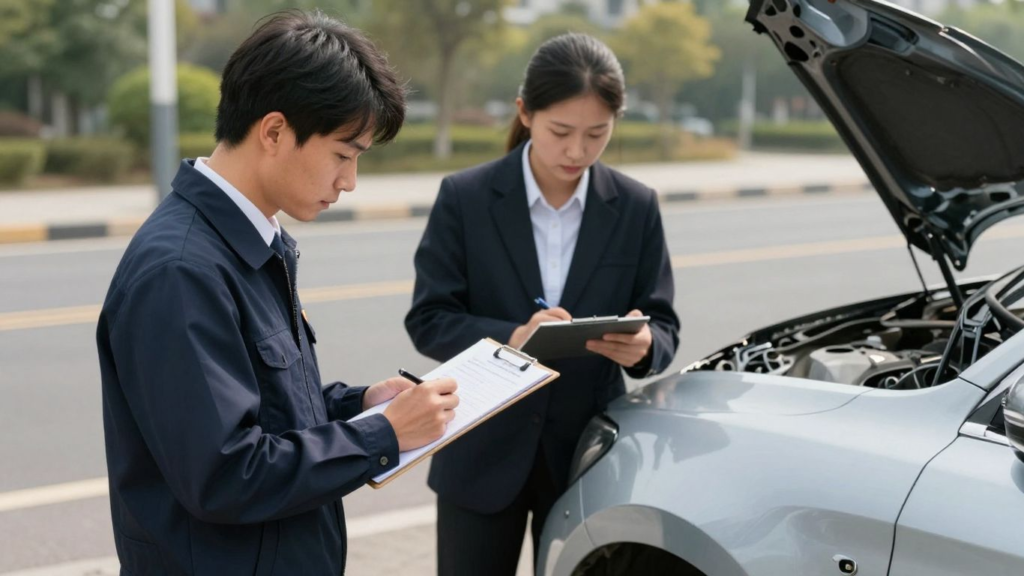
The laws differ from state to state and should not be relied upon as legal counsel. Drivers are expected to move a minor crash from the road when it is safe, but are still required to stop, exchange information, report the crash when necessary, and refrain from driving an unsafe vehicle.
The insurance topic is not as simple as it sounds. While an insurer is not responsible for an insured vehicle moving to a different location, a driver may find that transferring the location of a car from one place to another can cause problems if the insurer thinks the subsequent damage was the result of the driver continuing to drive the vehicle after the crash.
If your insurer refuses to pay or disputes your damages, read what to do if your injury claim is denied by insurance.
How Driving After a Crash Can Affect an Insurance Claim
Insurance adjusters typically require an exact sequence of events, such as: The accident date, if there was damage at the scene, if the vehicle was driven after the accident, where it was driven to, and when it was inspected. The tidier your paperwork, the easier you can differentiate between mishaps and subsequent wear or mechanical trouble.
If it is safe to do so, take photos and videos before transporting the vehicle. Take pictures of the traffic, weather, road, vehicle positions, license plates, damage, debris, and skid marks. Notify your insurance company immediately after the accident and follow their towing, inspection, and estimate instructions.
If you’re wondering how compensation may be calculated after a crash, see how much is a car accident settlement worth.
Can You Get a Ticket for Driving a Damaged Vehicle?
If an officer thinks your vehicle is unsafe, you are not wearing the proper lights, your vehicle prevents others from seeing you, leaks fluid, or parts of your vehicle are in the roadway, then yes, you can be cited for that. The actual citation will vary by state and local vehicle codes, but the bottom line is that if the vehicle poses a hazard, don’t drive it.
This is particularly significant following night crashes, front-end crashes, rear-end crashes, and side impacts close to a wheel. It’s easy to spot signs of trouble, such as broken lights, cracks in the windshield, loose bumpers, or worn tires.
When to Play It Safe and Call a Tow Truck
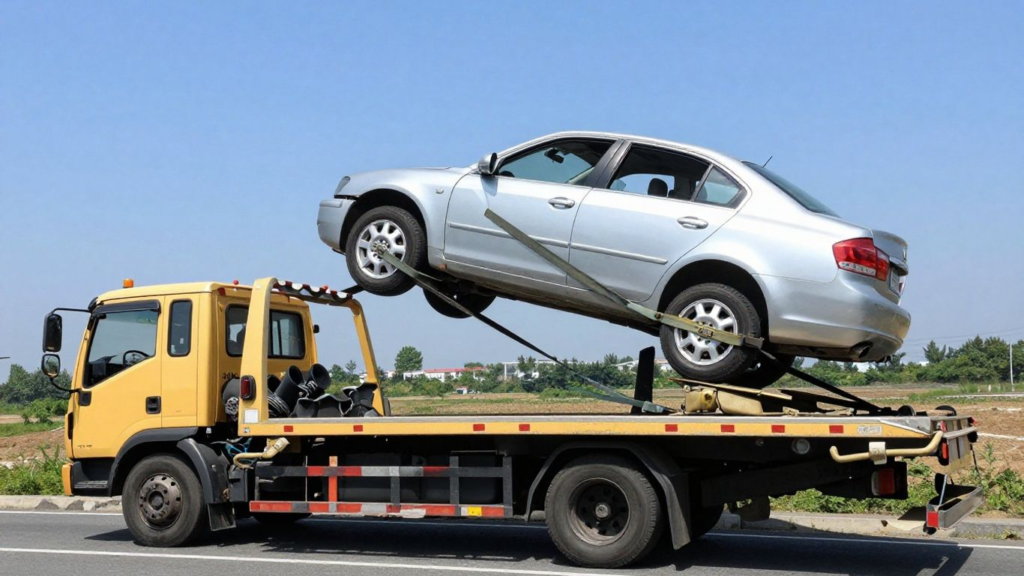
If you see any indication that the vehicle may not be safe on public roads, it is a good idea to call for a tow truck. However, tow costs can be annoying at the moment, but they are usually much less costly than engine damage, brakes breaking, another crash, or adding the headache of a claim dispute resulting from driving a ticketed-off vehicle.
It’s also best to tow the vehicle if you’re so shaken you can’t make a proper evaluation. Adrenaline following a crash may disguise injuries and/or make mechanical symptoms more likely to be ignored. A professional tow will allow you to take time to record the accident, get in touch with your insurance company, and get a proper inspection without risk.
- Call a tow if airbags deployed or safety-system warning lights remain on.
- Call a tow if fluids are leaking or the engine overheats.
- Call a tow if the steering wheel pulls, shakes, or feels loose.
- Call a tow if braking feels different or makes grinding sounds.
- Call a tow if a tire, wheel, bumper, hood, trunk, or door is damaged enough to rub, drag, or fail to latch.
- Call a tow if the windshield, lights, or mirrors are too damaged for legal visibility.
What If It Was Only a Minor Fender Bender?
If there are no injuries, the car passes the roadworthiness test, and there are no state or police requirements to tow the car, then it may be safe to drive away after a minor fender bender. Minor scratches, dings, or cosmetic bumper damage need not warrant towing.
But, if the impact is not that serious, they can still damage parking sensors, bumper damage, alignment, tire sidewalls, etc., or even safety sensors. Therefore, the best plan is to only drive as far as necessary, stay away from high-speed roads, and have an inspection as soon as possible.
Post-Accident Documentation Checklist
Good documentation protects you whether the car is drivable or not. The goal is to preserve evidence before repair work starts and before memories fade. If the scene is unsafe, move yourself to safety first and document only when it is reasonable to do so.
| What to Document | Why It Matters |
| Wide photos of the crash scene | Shows vehicle positions, lane layout, traffic signals, weather, and road conditions |
| Close photos of all vehicle damage | Helps adjusters compare visible damage with repair estimates |
| License plates and insurance details | Supports claim setup and driver identification |
| Witness names and contact details | May help if the fault or events are disputed later |
| Dashboard warning lights | Creates a record of post-crash mechanical or safety-system alerts |
| Two inspection receipts | Shows that you took reasonable steps to prevent additional damage |
| Police report number | Provides an official reference for insurance and legal follow-up |
This checklist can be used for safety and claim organization. It is also a way to prevent giving an ambiguous statement such as “the car seemed fine,” as you will have photos, receipts, and inspection records that will provide insight into what actually occurred after the impact.
These records make the discussion with a lawyer, insurer, repair shop, or doctor more accurate if you call them later. They also provide an explanation for why you have driven a short distance to call for a tow or why you have come for immediate inspection.
Common Mistakes to Avoid After a Crash
- Do not drive home just because the engine starts.
- Do not ignore warning lights, even if the car feels normal for the first few minutes.
- Do not stand in traffic lanes while inspecting damage.
- Do not admit fault or argue about liability at the scene.
- Do not skip photos if it is safe to take them.
- Do not delay reporting the accident to your insurer if your policy requires prompt notice.
- Do not repair or discard damaged parts before the claim process is documented.
When to Contact a Lawyer After Driving or Towing the Vehicle
If you are injured, the other driver drives away, someone could be at fault, your insurance company may say that the damage was not as bad as you thought, or the car is written off as a total loss, you might need legal advice. You need to know the deadlines, evidence preservation, medical documentation, and the distinction between property damage claims and injury claims, and a lawyer can help you understand them.
In some instances, a minor accident may have no claimants, and the insurance companies do cooperate, so an attorney might not be necessary. However, it is important to maintain strong records as time passes, injuries and concealed vehicle damage can occur days later. This is all about preserving some options without turning the article into a “litigation is the norm for every fender bender” scenario.
If you’re unsure whether legal representation is necessary, this guide on do I need a lawyer for a minor car accident can help you decide.
Conclusion: Should You Drive After an Accident?
The answer to the question of whether or not you can drive your car after an accident is not a simple one. A vehicle will be assessed based on safety, compliance with roadworthiness requirements, and potential to exacerbate damage. Things such as leaks, broken lights, damage to tires, deployed airbags, or loose body panels are obvious, and you should immediately stop driving and contact for assistance.
If it looks like minor damage, use the careful checklist, document the scene, notify your insurer, and arrange an inspection as soon as possible. Making a cautious decision right after a collision will save your life, your car, your insurance, and everyone else on the road.
Frequently Asked Questions
Is my car safe to drive after a fender bender?
It may be safe if there are no injuries, no fluid leaks, no tire or wheel damage, no warning lights, no broken safety equipment, and the car steers and brakes normally. However, hidden damage is possible, so schedule an inspection soon after the crash.
Can I move my car before the police arrive?
In many minor accidents, you may move the vehicle out of traffic if it is safe and no one is seriously injured. Do not leave the scene, and follow any local reporting requirements or officer instructions.
Do I have to call a tow truck for a small dent?
Not always. If the dent is purely cosmetic and the vehicle passes all safety checks, you may be able to drive. Call a tow if the damage affects tires, wheels, lights, steering, brakes, airbags, visibility, or body parts that could fall off.
What happens if I drive an unsafe car after an accident?
You could cause a secondary crash, make the damage worse, receive a citation, or create complications with your insurance claim if additional damage occurs because you kept driving.
Does frame damage make a car unsafe to drive?
Yes, frame or structural damage can affect alignment, handling, crash protection, door fit, and airbag performance. A professional inspection is needed before the vehicle can return to regular driving.
Can insurance deny my claim if I drive after a crash?
An insurer does not automatically deny a claim just because you moved the vehicle, but they may question damage that appears to have happened after the crash. Document the scene and follow the insurer’s instructions quickly.
Should I take photos before moving the car?
Take photos first if it is safe and does not expose you to traffic danger. If the vehicle is blocking traffic or the scene is unsafe, move to safety first and document as soon as you can.
What warning lights matter most after an accident?
Airbag, ABS, brake, stability control, engine temperature, oil pressure, and check engine lights should all be taken seriously after a crash. Do not ignore safety-system warnings.
Can I drive with a broken headlight or taillight after an accident?
It is usually unsafe and may be illegal, especially at night or in poor weather. If the required lighting is broken, arrange a tow or repair before driving normally.
How soon should I get a post-accident inspection?
As soon as possible. Even if the car seems drivable, an inspection can identify hidden damage to the frame, suspension, safety sensors, brakes, and cooling system before the issue becomes more serious.