

How to File a Hit and Run Injury Claim: Step-by-Step Guide
If you were injured in a hit and run accident, the most important steps are to get medical care, report the crash to law enforcement, document every detail, notify your insurance company, and review whether uninsured motorist coverage, personal injury protection, medical payments coverage, collision coverage, or another policy benefit may apply.
A hit and run injury claim can be more complicated than a standard car accident claim because the at-fault driver may be unknown, uninsured, or difficult to locate. This guide explains what to do after a hit and run, how to file an injury claim, what evidence matters, and when speaking with a personal injury attorney may help protect your recovery. Laws, deadlines, and available insurance benefits vary by state, so this page is general information and not legal advice.
Key Takeaways
- Seek medical care right away, even if symptoms seem minor, because pain, concussion symptoms, soft-tissue injuries, and internal injuries can appear hours or days later.
- Call law enforcement as soon as possible so there is an official report documenting the hit and run, the location, the time, witness information, and available vehicle details.
- Take photos, collect witness names, look for nearby cameras, and preserve any dashcam or security footage before it is deleted or overwritten.
- Review your auto policy for uninsured motorist bodily injury, uninsured motorist property damage, personal injury protection, medical payments, and collision coverage.
- Avoid accepting a quick settlement before you understand your diagnosis, treatment plan, missed wages, repair costs, policy limits, and long-term recovery needs.
Quick Answer: How Do You File a Hit and Run Injury Claim?
To file a hit and run injury claim, first make sure you are safe and get medical attention. Then report the crash to police, collect evidence, notify your insurance company, confirm your available coverages, continue treatment, and submit documentation that proves your injuries and damages. If the driver is later found, your claim may involve the driver, their insurer, your insurer, or a combination of available legal and insurance options.
In many hit and run cases, the victim starts with their own insurance company because the fleeing driver is unknown. Uninsured motorist coverage is often the most important benefit for injury claims, but the exact coverage depends on your state and policy. Some states require UM/UIM coverage, some require insurers to offer it, and some allow drivers to reject it in writing.
For a broader overview of the actions you should take immediately after a collision, see what to do after a car accident.
| Step | What to Do | Why It Matters |
| 1 | Get medical care | Creates a treatment record and protects your health after the crash. |
| 2 | Call police | Creates an official record that supports insurance and legal claims. |
| 3 | Document evidence | Photos, witnesses, and video can help prove what happened. |
| 4 | Notify your insurer | Your policy may have reporting duties and claim deadlines. |
| 5 | Review coverage | UM, PIP, MedPay, collision, or health insurance may apply. |
| 6 | Track damages | Medical bills, lost wages, and repair costs help support claim value. |
| 7 | Speak with a lawyer if needed | Legal help may be useful for serious injuries or disputed claims. |
This table is a starting roadmap, not a substitute for state-specific legal advice. The order matters because insurance companies often look for prompt reporting, timely medical treatment, and reliable evidence that connects the injuries to the hit and run accident.
If your injuries are serious, if the insurer questions your story, or if coverage is unclear, you should consider speaking with a hit and run accident lawyer early. A lawyer can help preserve evidence, identify applicable coverage, communicate with insurers, and calculate the full value of your losses.
What Is a Hit and Run Accident?
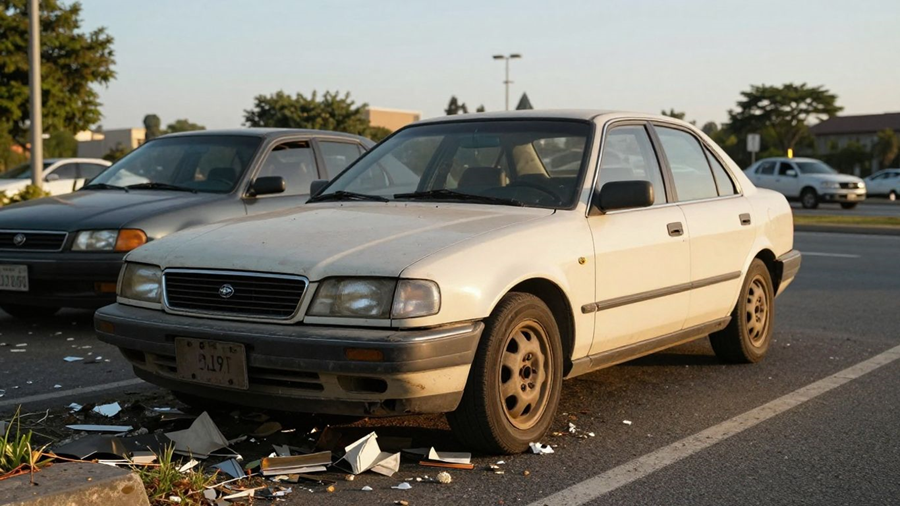
A hit and run accident occurs when a driver involved in a crash leaves the scene without stopping, identifying themselves, helping injured people, or providing required information. The crash may involve another vehicle, a pedestrian, a cyclist, a parked car, or other property. When injuries are involved, the situation becomes especially serious because the victim may need emergency care while also trying to identify the fleeing driver.
Drivers may flee for many reasons, including lack of insurance, fear of arrest, impaired driving, stolen vehicle involvement, outstanding warrants, license issues, or panic. Whatever the reason, the victim should not chase the driver. Instead, focus on safety, medical care, police reporting, and evidence preservation. Chasing a fleeing driver can increase danger and may reduce the quality of evidence available at the scene.
A hit and run injury claim is different from a normal car accident claim because you may not have the other driver’s insurance information. That means your own policy may become the primary path for recovery at first, especially through uninsured motorist coverage or other first-party benefits.
If you are unfamiliar with the overall claims process after a crash, our guide on what to do after a car accident explains the basic steps in more detail.
Immediate Steps After a Hit and Run Accident

The first few minutes after a hit and run can affect your health, your police report, and your insurance claim. Try to stay calm, move to a safe location if possible, and call emergency services if anyone is hurt or the crash creates a traffic hazard.
Do not assume that a minor-looking crash means there are no injuries. Headaches, neck pain, back pain, dizziness, numbness, and emotional shock can develop later. A prompt medical evaluation protects both your health and the injury claim record.
For a more complete breakdown of the immediate actions to take after a collision, read what to do after a car accident.
1. Move to Safety and Check for Injuries
If your vehicle is in traffic and can be moved safely, pull over to a safe area. Turn on hazard lights, check yourself and passengers, and call 911 if anyone is injured, trapped, dizzy, bleeding, or in significant pain.
2. Call Law Enforcement
Report the hit and run as soon as possible. The police report can document the crash location, time, vehicle damage, injuries, witness statements, and any information about the fleeing vehicle. Many insurance companies ask for a police report or report number before reviewing a hit and run claim.
3. Do Not Chase the Driver
It is natural to want to identify the other driver, but chasing them can put you and others at risk. Instead, write down or record the vehicle color, make, model, direction of travel, license plate characters, bumper stickers, damage, and any unique features.
4. Photograph the Scene
Take wide photos and close-up photos of the damage, road conditions, debris, skid marks, traffic signs, weather, intersection layout, and your visible injuries. These photos can help prove how the crash occurred and the seriousness of the impact.
5. Find Witnesses and Cameras
Ask nearby drivers, pedestrians, store employees, homeowners, or business owners whether they saw the crash. Also look for traffic cameras, doorbell cameras, gas station cameras, parking lot cameras, and dashcams that may have recorded the fleeing vehicle.
Evidence Checklist for a Hit and Run Injury Claim
Evidence is the backbone of a hit and run injury claim. Because the at-fault driver may be missing, your insurer may look closely at whether the crash really happened, whether another driver caused it, and whether your injuries are related to the collision.
Collecting evidence early matters because video footage may be deleted, witnesses may forget details, and road debris may be cleared. Use this table as a checklist before your claim file is submitted to an adjuster.
| Evidence Type | What to Collect | Why It Helps |
| Police report | Report number, officer name, agency, and crash details. | Validates that the incident was reported and investigated. |
| Medical records | ER visits, imaging, diagnoses, prescriptions, referrals, and therapy notes. | Connects your injuries to the accident and treatment timeline. |
| Photos and videos | Vehicle damage, road scene, debris, injuries, and nearby camera locations. | Helps prove impact, location, and severity. |
| Witness information | Names, phone numbers, statements, and what they saw. | Supports your version of how the crash happened. |
| Vehicle details | Make, model, color, plate digits, damage, direction of travel. | May help police identify the driver. |
| Financial records | Medical bills, repair bills, rental car costs, and wage loss documents. | Supports the amount of compensation claimed. |
A strong claim file should include both liability evidence and damages evidence. Liability evidence shows that another driver caused the crash and fled, while damages evidence shows how the crash affected your health, income, vehicle, and daily life.
If you are missing one type of evidence, do not assume your claim is over. A lawyer or investigator may still be able to look for surveillance footage, obtain crash report supplements, contact witnesses, review vehicle debris, or request additional records that support your case.
Understanding Insurance Coverage After a Hit and Run
Insurance coverage after a hit and run depends on your state, policy language, purchased limits, deductibles, and whether the fleeing driver is later identified. This is one of the most important areas to review because the wrong assumption can delay your claim.
Uninsured motorist coverage is often central to hit and run injury claims, but it does not work the same way in every state. Some policies cover bodily injuries through uninsured motorist bodily injury coverage, while property damage may require collision coverage, uninsured motorist property damage, or another policy benefit.
Clear communication reduces confusion and helps protect your rights. If your insurance company refuses to pay or challenges your claim, review what to do if your injury claim is denied by insurance.
| Coverage Type | What It May Cover | Important Note |
| Uninsured Motorist Bodily Injury (UMBI) | Medical expenses, lost wages, pain and suffering, and injury-related losses. | Often applies when the at-fault driver is uninsured or unidentified, depending on state law and policy language. |
| Underinsured Motorist (UIM) | Losses that exceed the at-fault driver’s available insurance if the driver is later found. | Usually matters when the driver is identified but does not have enough liability coverage. |
| Uninsured Motorist Property Damage (UMPD) | Vehicle damage caused by an uninsured or sometimes hit-and-run driver. | Availability, limits, and whether the driver must be identified vary by state and policy. |
| Collision Coverage | Vehicle repairs regardless of who caused the accident. | Usually subject to a deductible and may apply even if the driver is never found. |
| PIP or MedPay | Medical bills and sometimes related expenses after an accident. | Availability and rules depend heavily on state law and policy terms. |
| Health Insurance | Medical care after injury. | May apply when auto coverage is limited, but liens or reimbursement rights may need review. |
Do not assume that one coverage automatically pays for everything. Injury claims, vehicle repairs, rental car expenses, deductibles, and wage losses may fall under different parts of the policy. Ask the insurer to identify every available coverage in writing.
You should also ask about policy deadlines, notice requirements, proof of loss forms, medical authorization requests, recorded statements, and whether the claim is being handled as UM, collision, PIP, MedPay, or another category. Clear communication reduces confusion and helps protect your rights.
Step-by-Step Guide to Filing a Hit and Run Injury Claim

After the immediate emergency is handled, shift your focus to the claim process. A hit and run injury claim can take time because the insurer may wait for police updates, medical records, repair estimates, and coverage review.
The steps below help organize the process from the first phone call to final settlement. Keep copies of everything you send or receive, including emails, claim letters, medical bills, wage loss forms, and adjuster notes. Depending on the circumstances, you may also want to understand how long a personal injury case takes so you have realistic expectations about the process.
Step 1: Get Medical Treatment and Follow Up
Start treatment as soon as possible and follow your doctor’s recommendations. Delayed care can make it harder to prove that your injuries came from the accident.
Step 2: Request the Police Report
Ask when the report will be available and how to request updates. If the report has errors, ask the agency how corrections or supplements can be submitted.
Step 3: Notify Your Insurance Company
Report the hit and run promptly and provide the police report number. Do not guess about facts you do not know, and avoid minimizing injuries before you understand your condition.
If the insurer later disputes or rejects your claim, you can learn more about what to do if your injury claim is denied by insurance.
Step 4: Open the Correct Coverage Claim
Ask whether the claim is under UM, UMPD, collision, PIP, MedPay, or another coverage. Different coverages may have different rules, deductibles, and documentation needs.
Step 5: Submit Evidence and Records
Send photos, witness information, medical records, bills, wage documents, repair estimates, and any video evidence. Keep copies of every submission.
Step 6: Track Treatment and Financial Losses
Maintain a folder for medical visits, prescriptions, mileage, missed work, out-of-pocket expenses, and repair costs. These details help support settlement value.
Step 7: Review Any Settlement Offer Carefully
Do not accept a settlement until you understand your medical progress, long-term symptoms, policy limits, and all available damages.
You can also read about how much a car accident settlement is worth for additional context.
Step 8: Consider Legal Help if the Claim Is Disputed
A lawyer may help if the insurer denies coverage, delays payment, requests a recorded statement, disputes your injuries, or offers too little.
What Compensation Can Be Included in a Hit and Run Injury Claim?
The value of a hit and run injury claim depends on the severity of the injuries, treatment needs, insurance coverage, state law, policy limits, and available evidence. Compensation is not based only on the crash itself; it is based on the losses that can be proven.
To better understand the factors that influence payouts, see our guide on average personal injury settlement amounts.
Some damages are economic, meaning they have a direct dollar amount. Others are non-economic, meaning they involve pain, suffering, inconvenience, and loss of normal life. The table below explains common categories.
| Damage Category | Examples | How to Prove It |
| Medical expenses | Emergency care, doctor visits, imaging, medication, therapy, surgery, and follow-up care. | Bills, records, prescriptions, referrals, and treatment notes. |
| Lost wages | Time missed from work due to injury or medical appointments. | Employer letters, pay stubs, tax records, and doctor notes. |
| Loss of earning capacity | Reduced ability to work because of lasting injuries. | Medical opinions, work history, vocational reports, and income records. |
| Pain and suffering | Physical pain, discomfort, limitations, and emotional distress. | Medical records, personal journal, family statements, and doctor opinions. |
| Vehicle damage | Repair costs, total loss value, towing, rental car, and storage fees. | Repair estimates, photos, invoices, and insurer valuation reports. |
| Out-of-pocket costs | Transportation, medical supplies, childcare, or household help related to the injury. | Receipts, mileage logs, invoices, and payment records. |
The strongest claims are supported by consistent treatment and clear documentation. If your symptoms continue, tell your doctor instead of assuming they will go away. Medical records are often the primary evidence insurers use to evaluate injury severity.
You should also avoid relying only on verbal conversations with insurance adjusters. Written records make it easier to confirm what was requested, what was submitted, and what remains unresolved.
Common Mistakes to Avoid After a Hit and Run
Many hit and run victims hurt their own claims unintentionally. They may wait too long to get medical care, fail to report the crash, forget witness names, or accept an early settlement before knowing the full extent of their injuries.
Avoiding these mistakes can make your claim easier to document and harder for an insurer to challenge. Use the table below as a practical warning list. If your insurer later delays or refuses payment, review what to do if your injury claim is denied by insurance.
| Mistake | Why It Hurts the Claim | Better Approach |
| Leaving without a report | No official record may make the insurer question whether a hit and run happened. | Call police and get a report number whenever possible. |
| Delaying medical care | The insurer may argue your injuries were not caused by the crash. | Get evaluated promptly and follow treatment recommendations. |
| Chasing the fleeing driver | This can create danger and may distract from preserving evidence. | Record details and give them to law enforcement. |
| Giving inconsistent statements | Differences in your story can be used to challenge credibility. | Stick to known facts and avoid guessing. |
| Posting on social media | Posts may be taken out of context by insurers or defense teams. | Limit public discussion of the accident and injuries. |
| Accepting a fast settlement | Early offers may not include future treatment or full wage loss. | Wait until damages are understood and documentation is complete. |
The safest approach is to act quickly but not carelessly. Report the crash, gather evidence, get care, and speak carefully with insurers. If you are unsure what to say, ask for time to review documents before giving detailed statements.
A claim can also be damaged by missing deadlines. These deadlines may come from state law, insurance policy language, court statutes of limitation, or coverage notice requirements. Because deadlines vary, confirm them early instead of assuming you have unlimited time.
State Law and Deadline Considerations
Hit and run reporting rules vary by state. Some states require reports within a short time when injuries, death, or significant property damage occur, while other requirements depend on the crash type, damage amount, or insurance process. Your insurance policy may also have separate notice rules that require prompt reporting.
This is why the safest general advice is to report the accident immediately, notify your insurer promptly, and confirm all deadlines in writing. A state-specific lawyer can explain the statute of limitations, claim notice rules, police reporting requirements, and any uninsured motorist procedures that apply where the crash occurred.
When Should You Call a Hit and Run Accident Lawyer?
Not every hit and run claim requires a lawyer, especially if there are no injuries, minor vehicle damage, clear coverage, and a fair payment offer. However, injury cases can become more complicated because medical treatment, policy limits, fault disputes, and future damages may be involved.
You should consider legal help if the injuries are serious, if the driver is unknown, if your insurer denies or delays the claim, if coverage is unclear, if the settlement offer seems low, or if the driver is later identified and litigation may be needed. Before hiring legal representation, it may help to understand how much a personal injury lawyer costs.
| Situation | Why Legal Help May Matter |
| Serious injuries | Long-term treatment, surgery, disability, or high medical bills can increase claim complexity. |
| Coverage dispute | The insurer may question whether UM, PIP, MedPay, collision, or UMPD applies. |
| Low settlement offer | A lawyer can compare the offer against medical evidence, wage loss, and policy limits. |
| Driver later found | The case may shift toward a liability claim or lawsuit against the driver. |
| Multiple vehicles or unclear facts | Investigation may be needed to determine how the crash happened. |
| Bad faith concerns | Delays, unreasonable denials, or unfair handling may require legal pressure. |
An attorney can help gather surveillance video, send preservation letters, communicate with insurers, calculate damages, review policy language, and negotiate a settlement. This can be especially important when the insurer is both your provider and the company evaluating your uninsured motorist claim.
If you speak with a lawyer, bring the police report number, insurance declarations page, photos, medical records, repair estimates, witness information, and any letters from the insurer. The more organized your documents are, the more useful the consultation will be.
What Happens if the Hit and Run Driver Is Found?
If the police later identify the driver, your recovery options may change. The driver may have insurance, may be uninsured, or may face criminal consequences. Your claim may continue through your own insurance, shift to the driver’s insurer, or involve both.
If the driver has liability insurance, you may be able to pursue a claim against their policy for injuries and property damage. If they do not have enough coverage, underinsured motorist coverage may become important. If they have no coverage, your uninsured motorist claim may remain the primary path.
Depending on your injuries and available evidence, you may also want to understand how much a car accident settlement is worth.
Finding the driver can also help with property damage questions, witness confirmation, and potential litigation. However, you should not delay your own medical care or insurance reporting while waiting for law enforcement to locate the person.
Final Hit and Run Claim Checklist
Before you submit or settle your claim, review this final checklist. It helps confirm that you have not missed key evidence, medical documentation, or insurance details.
This checklist is especially useful before speaking with an adjuster about settlement. If any item is missing, try to obtain it or make a note explaining why it is unavailable.
- Police report number and responding agency information.
- Photos of vehicle damage, crash location, debris, road conditions, and visible injuries.
- Medical records, bills, prescriptions, referrals, and therapy notes.
- Witness names, phone numbers, written statements, or dashcam information.
- Insurance declarations page showing UM, UIM, PIP, MedPay, collision, and property coverages.
- Repair estimates, towing invoices, rental car receipts, and total loss documents.
- Employer wage loss letter, pay stubs, tax documents, or missed-work records.
- Mileage logs, out-of-pocket receipts, childcare costs, and other accident-related expenses.
- Written communication with the insurer and claim number.
- Attorney consultation notes if legal advice was obtained.
Conclusion
Filing a hit and run injury claim can feel overwhelming because the at-fault driver may be unknown, uninsured, or difficult to locate. Even so, you still have important steps you can take to protect your health and strengthen your claim. Medical care, police reporting, evidence preservation, insurance review, and organized documentation are the foundation of a stronger recovery process.
The most important thing is not to wait. Report the accident, follow medical advice, document every loss, and review your insurance policy carefully. If the claim becomes disputed, if the injuries are serious, or if the insurance company pressures you to settle early, speaking with a hit and run accident lawyer can help you understand your options and avoid costly mistakes.
You may also find it helpful to read how long a personal injury case takes and how much a personal injury lawyer costs before deciding on your next steps.
Frequently Asked Questions
Can I file a claim if the hit and run driver is never found?
Yes. Many victims start with their own insurance policy, especially uninsured motorist coverage if it is available. The exact benefits depend on your state, policy language, coverage limits, and whether injury or property damage is involved.
How soon should I report a hit and run accident?
You should report the crash to law enforcement and your insurance company as soon as possible. Specific legal and policy deadlines vary by state and insurer, so prompt reporting is the safest approach.
Will uninsured motorist coverage pay for a hit and run injury?
Uninsured motorist bodily injury coverage often applies to injuries caused by an unidentified or uninsured driver, depending on state law and policy terms. Review your declarations page and ask your insurer to confirm coverage in writing.
What if I do not have uninsured motorist coverage?
You may still have options such as PIP, MedPay, collision coverage, health insurance, or a claim against the driver if they are later found. Available options depend on your policy and state law.
Can I sue the hit and run driver if they are caught?
Yes, if the driver is identified, you may be able to bring a personal injury claim or lawsuit against them. Their insurance status, assets, fault evidence, and state law will affect the recovery path.
Should I give a recorded statement to my insurance company?
Your policy may require cooperation, but you should be careful with recorded statements. If you are injured, unsure about facts, or facing a disputed claim, consider getting legal advice before giving detailed recorded answers.
What evidence is most important in a hit and run claim?
The most important evidence usually includes the police report, photos, witness information, medical records, insurance policy details, surveillance video, repair estimates, and wage loss documentation.
Can a hit and run claim include pain and suffering?
Pain and suffering may be included in an injury claim if available coverage and state law allow it. Medical records, treatment history, symptoms, and daily-life limitations help support this part of the claim.
Will my insurance rates go up after a hit and run?
It depends on your state, insurer, policy, claim history, and whether you were at fault. Some insurers treat not-at-fault claims differently, but you should ask your insurer how the claim may affect premiums.
Should I accept the first settlement offer?
You should avoid accepting a first offer until you understand your injuries, treatment needs, wage loss, property damage, policy limits, and long-term recovery. Once you sign a release, you may not be able to ask for more money later.