

Can I Sue for Mold in My Apartment? What Tenants Need to Know
Finding mold in your apartment can be a real headache, and it often brings up a big question: Can I sue for mold in my apartment? It’s not always straightforward. Landlords have a duty to keep your home safe and livable, but what happens when mold pops up, and they don’t do anything about it?
This article breaks down what tenants need to know about mold problems, your landlord’s responsibilities, and your options if things get serious.
Key Takeaways
- Landlords must fix mold problems that affect your health or safety. You generally need to give them written notice first.
- In California, landlords usually have 30 days to address a reported mold issue, but urgent health risks might require faster action.
- Thorough documentation is key: take photos, keep logs of symptoms and leaks, and save all communication with your landlord.
- If your landlord ignores your written notice and the mold makes your home unsafe, you might be able to break your lease, withhold rent (with caution), or pursue legal action.
- You can potentially sue your landlord for damages like medical bills, damaged property, or moving costs if they fail to fix a hazardous mold problem after proper notification.
Understanding Mold in Rental Properties
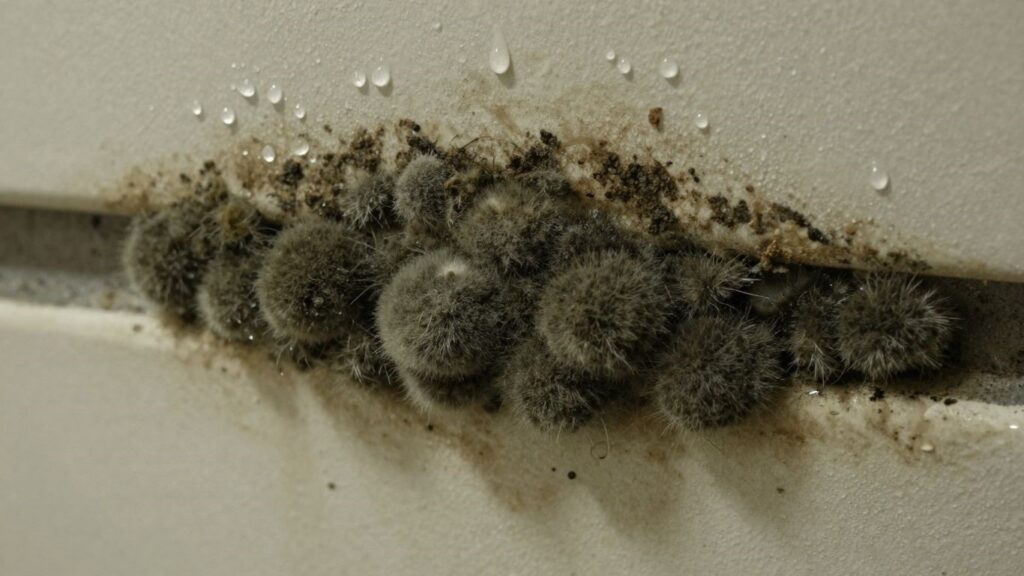
Mold in your apartment can be a health hazard, a problem for your landlord, and more than an eyesore. So, what is a mold issue that you, as a tenant, should be concerned about? It is usually when the mold is seen and is present over a large area or associated with moisture problems, which provide a damp environment for mold growth.
This isn’t some small area of the shower curtain. We’re talking about mold that’s growing on walls, ceilings, or other surfaces, which can happen when there’s a leak, inadequate ventilation, or water damage that hasn’t been addressed.
What Constitutes a Mold Problem?
A mold problem in a rental unit typically goes beyond minor surface spots. It’s usually characterized by:
- Visible Growth: Significant patches of mold on surfaces like walls, ceilings, floors, or around windows and doors.
- Persistent Moisture: Ongoing dampness or water intrusion from leaks (roof, pipes, windows), condensation, or flooding that creates a breeding ground for mold.
- Musty Odors: A persistent, earthy, or musty smell that often indicates mold growth, even if it’s not immediately visible.
- Health Symptoms: Tenants experiencing unexplained allergy-like symptoms, respiratory issues, or headaches that seem to improve when they leave the apartment.
Health Risks Associated with Mold Exposure
Mold exposure may cause many health problems, particularly in closed environments. Severity can vary depending on the type of mold, length of exposure, and individual sensitivity. Mold can cause allergic reactions in many people. This may be manifested as sneezing, a runny nose, red eyes, and a skin rash.
Mold can be a serious problem for people who have asthma, causing asthma attacks. Some molds can also irritate the lungs and throat, causing coughing or difficulty breathing. It’s important to remember that tenant rights mold exposure is taken seriously when health is impacted.
Although not all mold is harmful, some, such as Stachybotrys chartarum (also known as black mold), are more toxic and may be a more serious concern, especially for susceptible people such as children, the elderly, and people with weakened immune systems or respiratory illness. It is important to document any health symptoms associated with the presence of mold.
Here are some common symptoms associated with mold exposure:
- Coughing and wheezing
- Shortness of breath
- Headaches
- Skin irritation or rashes
- Eye, nose, and throat irritation
- Worsening of asthma symptoms
- Fatigue
Mold exposure can lead to respiratory issues, allergies, and even long-term health complications. In serious cases, this may overlap with claims similar to how much you can sue for emotional distress if your quality of life is affected.
Your Landlord’s Responsibilities Regarding Mold
As an apartment renter, you have some obligations to ensure that your apartment is habitable and secure. This includes addressing problems such as mold. Being nice is not enough; it is sometimes a legal obligation. If the mold is a result of the building’s structure or plumbing, it is usually the landlord’s responsibility to fix it, particularly if it makes the apartment unsafe to live in.
This is referred to as the implied warranty of habitability, which is essentially a warranty that your home is habitable. This warranty typically applies even if the lease does not reference mold.
This falls under the “implied warranty of habitability,” similar to other injury-related responsibilities landlords face in cases like slip and fall accidents.
Lease Agreements and Mold Clauses
Your lease agreement is the first place to look. Some leases might have specific clauses about mold. These could outline:
- How mold issues should be reported.
- Who is responsible for certain types of mold (though landlords can’t usually contract away their responsibility for habitability)?
- What steps will the landlord take to address mold?
It’s important to read your lease carefully. Keep in mind, though, that a lease provision can’t supersede state and local laws that mandate that landlords provide safe living conditions. If a lease attempts to hold you responsible for the major problems with mold resulting from defects in the building, then that provision may not be legally binding
When is a Landlord Liable for Mold?
A landlord’s liability for mold in an apartment often comes down to a few key factors. Generally, they are on the hook if the mold is caused by:
- Water intrusion: This includes leaks from roofs, pipes, windows, or foundations that the landlord is responsible for maintaining.
- Building defects: Issues with the building’s design or construction that lead to moisture buildup and mold growth.
- Failure to repair: If you notify your landlord about a leak or water problem, and they don’t fix it in a reasonable amount of time, leading to mold, they can be held liable.
It’s less likely that a landlord is liable if the mold is solely due to the tenant’s actions or neglect, like not ventilating a bathroom properly or causing a flood through misuse. Determining tenant negligence, however, can be a challenging process. The main thing is that the landlord has to keep the property in habitable condition. If the mould is having a significant effect on this, they probably have a responsibility to take action. If you have a serious mold problem, it’s a good idea to know what mold liability apartment rules are in your area.
Landlords are responsible for maintaining rental property in a habitable condition. This includes taking action on problems that could contribute to mold growth within a reasonable time of notification, such as persistent leaks or inadequate ventilation systems. If the mold is a health hazard or if the unit is made uninhabitable, then the consequences of failure may be legal.
If negligence leads to serious harm, it may fall under broader legal claims similar to how much a personal injury case is worth.
Steps to Take Before Considering a Lawsuit
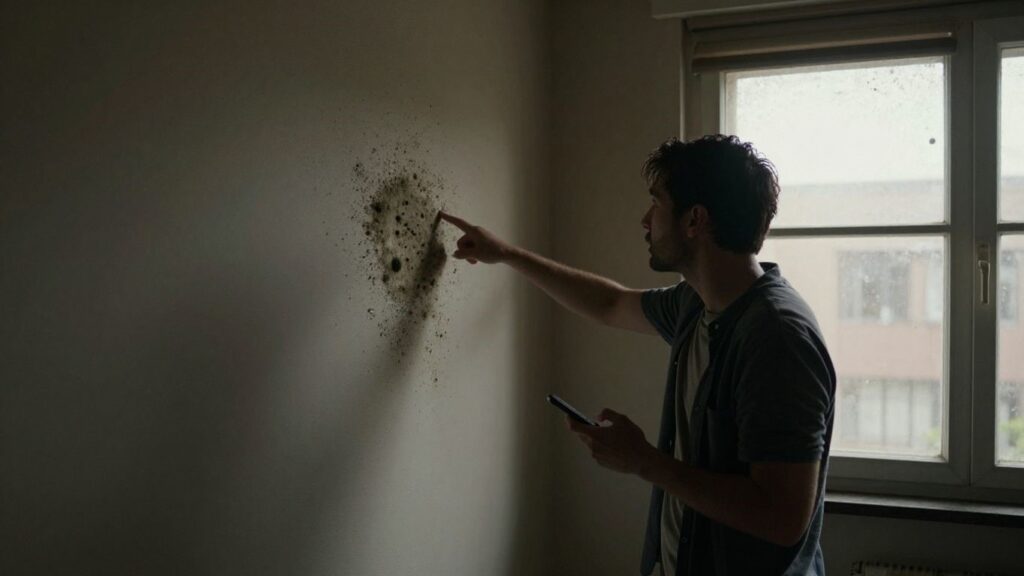
You’ve discovered mold in your apartment. It’s gross, and perhaps a little frightening, but not what you signed up for. But before you begin to consider court dates and attorneys, there are a few steps you need to take. It all comes down to creating a strong case and allowing your landlord a chance to remedy the situation. If you do end up in court, you’ll thank me for this advice.
Documenting the Mold Problem
This is likely the most important step. You need proof. Imagine you are a detective. Begin to take photos and videos right away. Take photographs of the mold, but also include some to show the size and location of the mold. Put in a scale item, such as a coin or a ruler. Also, keep a log.
Record the date of the first sighting of mold, any odors, any water leaks you are aware of, and your feelings. If you begin to experience health problems such as coughing, sneezing, headaches, and other problems that appear to be worse at home, record these as well. This detailed record is very crucial.
- Photos/Videos: Capture the extent and location of the mold.
- Logbook: Record dates, observations, symptoms, and any related issues.
- Receipts: Keep track of any money you spend related to the mold, like cleaning supplies or temporary fixes.
Don’t just assume your landlord knows about the problem. You have to show them, clearly and with evidence, what’s going on.
Good documentation is essential in any legal claim, just like in medical malpractice cases or injury claims.
Notifying Your Landlord Properly
Once you’ve got your documentation started, you need to tell your landlord. And not just a quick text or a casual mention. It must be done in writing. This is a big deal. Send by certified mail with return receipt or by email with proof of receipt.
Your written notice should detail the mold, its location, and the need for repair. Be polite but firm. Stick to the facts. This written notice will begin the clock on your landlord’s ability to respond and remedy the problem. Otherwise, it will be very hard to show they knew and did not do anything.
Seeking Professional Mold Inspection and Remediation
Sometimes, mold is not visible or is hidden in areas that are not easily accessible. If the issue is serious or if your landlord is dragging their feet, you may need to involve a professional. A certified mold inspector can enter, air and surface test, and tell you what type of mold you are dealing with and how severe it is.
This report is a very compelling report. If the inspection reveals a problem, you may also consider hiring a quote for mold removal services (also known as mold remediation). You may not be able to get these assessments and estimates done on your own right now, but they will demonstrate the seriousness of the problem, and can be used in court or for negotiations with your landlord.
Local inspectors can be found online or by requesting recommendations from tenant advocacy groups. This can really help you to be in a better position if the mold is affecting your health or if it is making your apartment uninhabitable. Tenant rights organizations may be able to provide some advice on locating reputable inspectors.
Hiring an inspector strengthens your case significantly. If your case escalates, having expert evidence is just as critical as in workplace injury cases.
When Can You Sue Your Landlord for Mold?
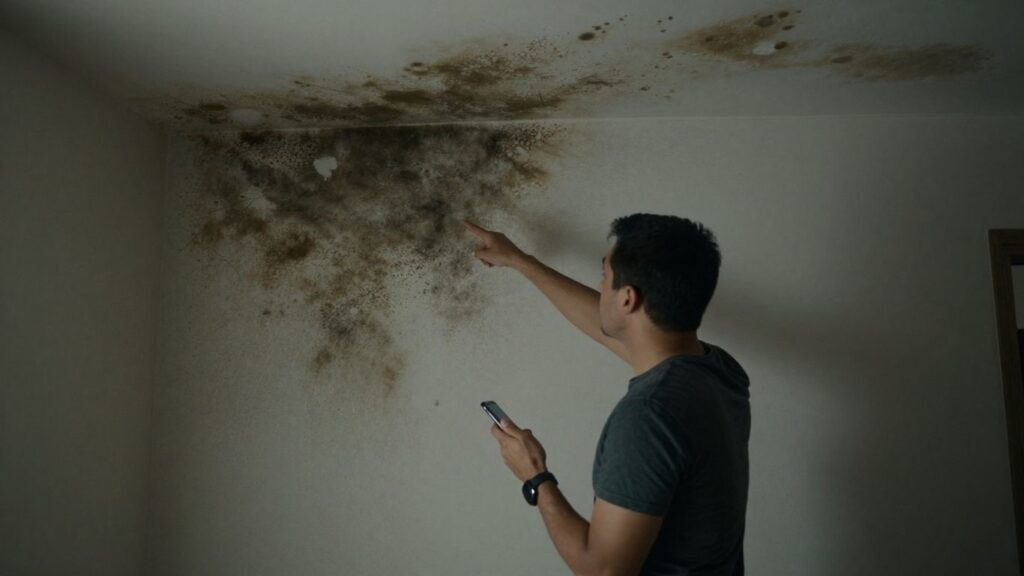
So you have mould, you’ve told your landlord, and nothing has changed. When does it become a nuisance, and when can you take legal action? In general, you can presume that a landlord has breached the duty to keep your apartment habitable if the mold is causing serious health problems or has made your apartment unsafe, and the landlord has not taken any action after you make a proper written notice. It’s not just a little bit of mold in the shower; it’s a serious mold problem that is impacting your health and the habitability of your home.
If you are considering a lawsuit, you must have taken the proper steps. This includes taking photos, videos, and keeping copies of all communication, as well as documenting dates. You must have notified your landlord in writing about the mold issue and provided a reasonable time period for the landlord to correct the issue. The time frame for what is ‘reasonable’ can vary, but is typically about 30 days unless it is an emergency where more rapid action is required.
If your landlord refuses to take any action after you have written requests and the mold keeps you from enjoying the property, or if it makes you sick, such as causing respiratory problems or allergic reactions, you may have grounds for a landlord mold lawsuit. This is where you’ll be considering legal options for apartment mold, such as suing the landlord for toxic mold or suing the landlord for health problems caused by mold. The objective here is usually to receive damages for apartment mold damage, which may be medical expenses, destroyed property, or even temporary relocation expenses.
Keep in mind that landlords are required by law to have a safe and habitable home. If they have mold issues that are not corrected by the landlord, they may be liable. It’s about proving their negligence after you have done your part to inform them and allow them to fix it.
Key requirements for a landlord mold lawsuit apartment often include:
- Proof of the Mold: Clear documentation showing the extent and location of the mold.
- Written Notice: Evidence that you formally notified your landlord in writing.
- Landlord’s Failure to Act: Proof that the landlord did not make repairs within a reasonable timeframe.
- Damages: Evidence of harm, whether it’s health-related (medical bills, doctor’s notes) or property damage (ruined furniture, etc.).
If you’re facing this, it’s a good idea to talk to a lawyer who handles tenant issues. They can help you understand if you have a strong case for getting compensation for apartment mold damage and guide you through the process of legal action for apartment mold.
Legal action may resemble other claims like wrongful arrest lawsuits where proving negligence is key.
What Can You Sue For?
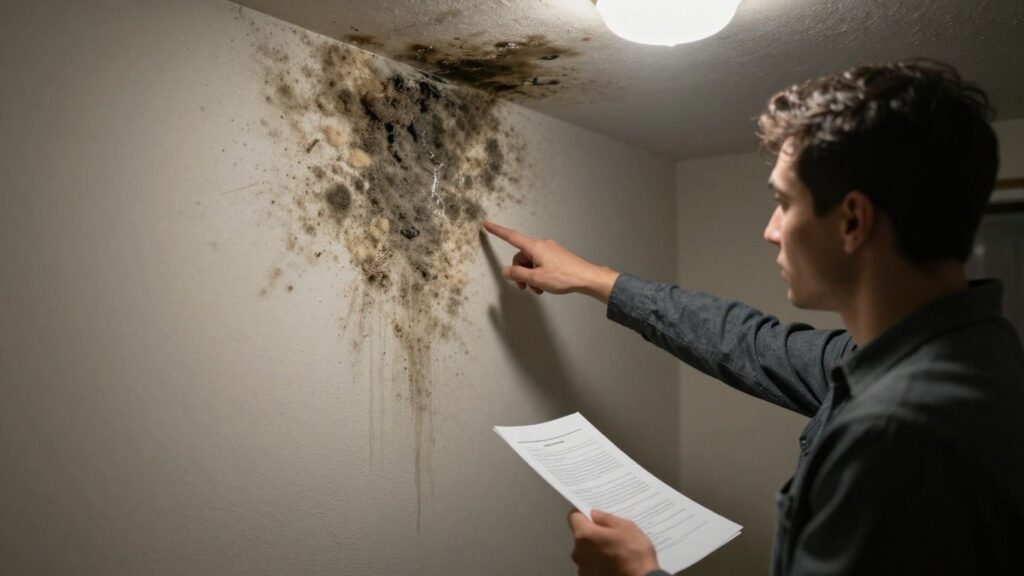
So, you’ve done everything you can, and your landlord still won’t care about the mold that is slowly creeping. So what is the point of going to court if you do? Fixing the mold isn’t the only thing it’s about anymore; it’s about getting you some compensation for the trouble and potential harm that it has caused you.
There are multiple types of damages you can claim. Imagine it’s like you’re trying to heal from an unhealthy lifestyle. The aim is to get back the money that you have spent and the damages that you have suffered due to the landlord’s failure to take action.
Here’s a breakdown of what you might be able to claim:
- Medical Expenses: If the mold has made you or your family sick, you can seek reimbursement for doctor’s visits, medications, and any other related healthcare costs. Keep all those bills and receipts!
- Property Damage: Did your furniture get ruined? Did your clothes get damaged? If mold has destroyed your personal belongings, you can ask for the cost to replace them.
- Moving Costs: If the mold is so bad that you have to move out temporarily or permanently, you might be able to get your landlord to cover the expenses associated with relocating.
- Lost Wages: In some cases, if you had to miss work to deal with the mold issue or because you were too sick to work, you could potentially claim lost income.
- Rent Abatement: This is basically a refund for the time you lived in the apartment while it had a serious mold problem that made it less livable. It’s like getting money back for a service you didn’t fully receive.
- Pain and Suffering: This is a bit trickier to quantify, but if the mold has caused significant emotional distress or a decline in your quality of life, you might be able to seek compensation for that, too.
Keep in mind that the amount you can recover may be dependent on the severity of the mold, the damage caused by the mold, and the amount of documentation you have. While a small amount of mold may not be enough to win a case, if the mold has grown to a level that will cause health or property damage, it is a different matter.
If you have relatively minor damages, you may want to consider filing in small claims court, which is typically quicker and less formal. If the claim is larger, it will probably be necessary to file a regular civil action. In either case, it is essential to have strong documentation, such as photos, doctor’s notes, and repair estimates, to support your claim.
If you’re planning legal action, it’s also useful to understand how much a personal injury lawyer costs.
So, What’s the Bottom Line?
Mold in your apartment can be a headache and, if it’s affecting your health, it can be pretty scary. Keep in mind that California law generally works in your favor when living in a safe home. Mold issues are typically the responsibility of your landlord, particularly when they are causing your home to be unhealthy.
The most important thing is not to let it go. Record all – photos, letters, dates. Discuss the matter with your landlord in writing immediately. Don’t just stand there if they don’t do something. Consider reporting it to the city or, if it gets serious, consider contacting a lawyer. You have rights, and the first step to getting your life sorted out is to know your rights.
Frequently Asked Questions
What exactly is considered a mold problem in my apartment?
A mold problem isn’t just a little bit of mildew in the bathroom. It’s usually when mold starts to grow significantly on surfaces, often due to a water leak or dampness that hasn’t been fixed. If you can see mold spreading, or if there’s a musty smell that won’t go away, it’s likely a real issue that needs attention.
Do landlords have to pay for mold testing?
Not always. While landlords are responsible for fixing mold that makes your home unsafe to live in, the law doesn’t always make them pay for the tests to find it. However, if mold is visible or you’ve reported it, they usually have to deal with the problem itself, whether they test for it or not.
Can I stop paying rent if there’s mold in my apartment?
You can’t just stop paying rent on your own if you see mold. You need to tell your landlord in writing first and give them time to fix it. If they don’t, and the mold makes your home unlivable, you might be able to withhold rent or use other legal options, but it’s best to talk to a lawyer before you do this.
How long does my landlord have to fix a mold problem?
Generally, landlords have about 30 days to fix a mold issue after you tell them about it in writing. But if the mold is a serious health risk, they might need to act much faster. It really depends on how bad the mold is and what local rules say.
What kind of damages can I sue for if mold harmed me or my stuff?
If your landlord didn’t fix a mold problem and it caused harm, you might be able to get money for things like doctor’s bills, replacing damaged belongings (like furniture or clothes), moving costs, or even lost wages if you had to miss work. Sometimes, you can also get a refund for the rent you paid while living in the bad conditions.
What should I do if my landlord ignores my mold complaint?
If your landlord doesn’t respond to your written complaint, you should follow up in writing again. You can also report the issue to your local city or county code enforcement or health department. They can inspect the property and might fine the landlord or order them to make repairs. Consulting with a tenant’s rights lawyer is also a good idea at this point.


