


Introduction
A dog bite can mean medical bills, missed work, and lasting scars. Whether you can sue depends on your state’s law and the facts of the incident. This short guide explains when a claim may be possible, who may be responsible, and what to do first.
Key Takeaways
A dog bite can leave you with medical bills, missed work, and questions about who is responsible. The answer often depends on state law and the details of the incident.
- A dog bite lawsuit may seek compensation for injuries and related losses.
- Liability rules vary by state; Texas claims may involve negligence or proof that an owner knew a dog was dangerous.
- Owners, keepers, or other responsible parties may be liable in some circumstances.
- Medical records, photographs, witness details, and expense records may help document a claim.
- Prompt medical care and advice from a lawyer can help you understand your options.
What Is a Dog Bite Lawsuit?
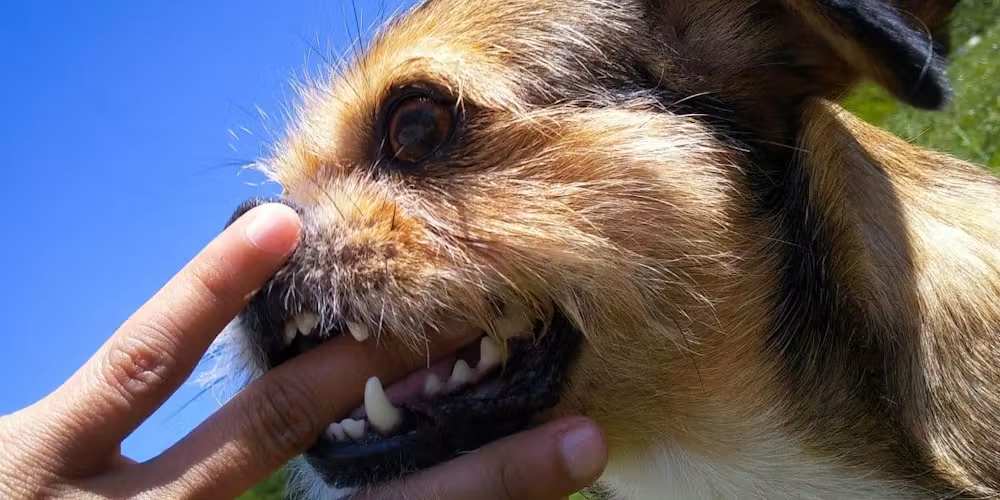
A dog bite claim is a civil action for damages arising out of a dog bite. The plaintiff can claim either that the defendant was negligent in not preventing the bite because he should have foreseen the injury, or a state statute can make him liable regardless of his knowledge or intent. The standard varies according to where it occurs.
The claim process starts with sending the owner an insurance demand, followed by litigation in court if a settlement cannot be achieved.
It does not necessarily succeed just because someone is injured by a dog. Many factors will determine the case: Where did the bite happen? What was the injured person doing? What did the owner know and do beforehand?
I would view the claim as a way to deal with the immediate damage as well as the long-term ramifications of being bitten. The extent of care or the presence of scars resulting from a bite differs from other kinds of injuries, which are less troublesome.
Can You Sue for a Dog Bite?

If your injuries were caused by someone else’s dog, you may have grounds for a lawsuit based on the laws in your state.
However, the history of bites from the animal is just one factor that may determine the success of such a case. Other factors include measures taken by the owner and the nature of your encounter with the dog.
A dog bite claim is not decided by the injury alone. The state’s liability rule, what the owner knew, and how the incident happened all shape whether a claim can move forward.
Strict liability vs. the “one-bite” rule:
There are varying methods of dealing with liability of dog bite cases. Some states have strict liability laws under which liability will attach irrespective of any knowledge of danger by the owner of the dog; others will depend on negligence and/or the actual knowledge of the dog owner on the nature of his pet.
The term “one-bite rule” is simply a shorthand and does not necessarily mean that the owner is never responsible until the dog bites another person once.
The situation might be as important as the label. Prior acts of aggression, non-compliance with leash laws, or failure to control the dog might be important depending on the state law in question.
There are also varied laws regarding defenses, particularly where the victim of the dog is trespassing or provoking the animal.
How Texas handles dog bite claims:
There is no such thing as a one-size-fits-all approach to dog bite cases in Texas. A lawsuit can be based on negligence as well as on the knowledge of the dog’s dangerous tendencies.
There are laws that speak specifically to injuries caused by dogs whose dangerous tendencies were known to the owner.
As a practical matter, I would need to know more about what the dog owner knew, how he/she was dealing with the dog, and the status of the injured party, namely if s/he had the right to be there.
Laws vary significantly from state to state; for instance, an explanation of Michigan dog bite lawsuits touches upon a range of issues that need to be sorted out with regard to Texas law.
Who Can Be Held Liable for a Dog Bite?

The dog’s owner comes into play initially, but being the owner doesn’t answer all questions. The person taking care of or controlling the dog can also be relevant depending on the particular circumstances.
Thus, the individual having control over the dog at the time could have been able to prevent such situation from happening.
Having been bitten by a dog does not make the owner of the premises where it occurred automatically liable.
What is known about his or her actions and knowledge, the degree of the control over the animal or property, and the necessity to act in order to protect others should also be taken into account in each case separately. It means that it is unsafe to make an assumption that property owner always pays.
One more aspect to check is the conduct of the injured party. Whether the individual had a right to stay there, approach the animal, or ignore a warning could be very important in making claims under certain laws. I would evaluate the entire interaction.
What You Need to Prove in a Dog Bite Case
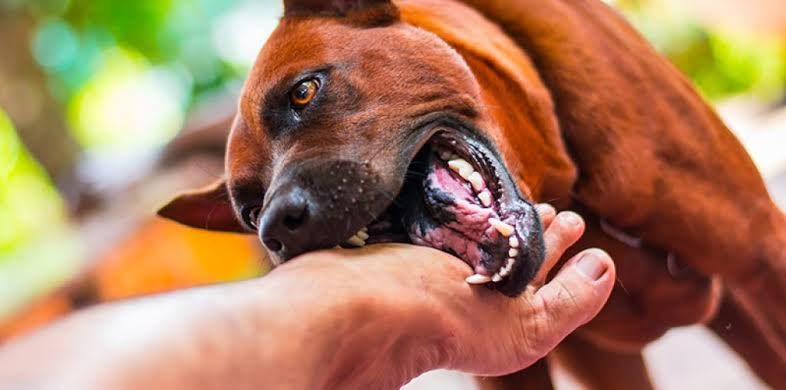
However, the type of evidence needed is dependent on the grounds on which the claim is based. For instance, in negligence cases, the plaintiff will have to prove that someone’s breach of duty caused his or her injury.
However, under a strict-liability law, the necessary proof may be different, hence the importance of the relevant state laws.
Possible evidence includes the injured party’s medical documents, pictures of the injury and the scene of the incident, witness names, and facts regarding the dog’s past.
E-mails or other correspondence from the owner and any previous complaints regarding the dog may also be important. It is advisable to keep the original documents and the date and location at which the pictures were taken.
For a claim to succeed, it is necessary to have a link between the incident and the losses suffered. Medical documents will help establish the extent of the injury, whereas bills and employment documents can be useful in establishing financial loss.
I would not attempt to determine the value of a case before I know more about the injury and its effects.
What Compensation Can You Get From a Dog Bite Lawsuit?
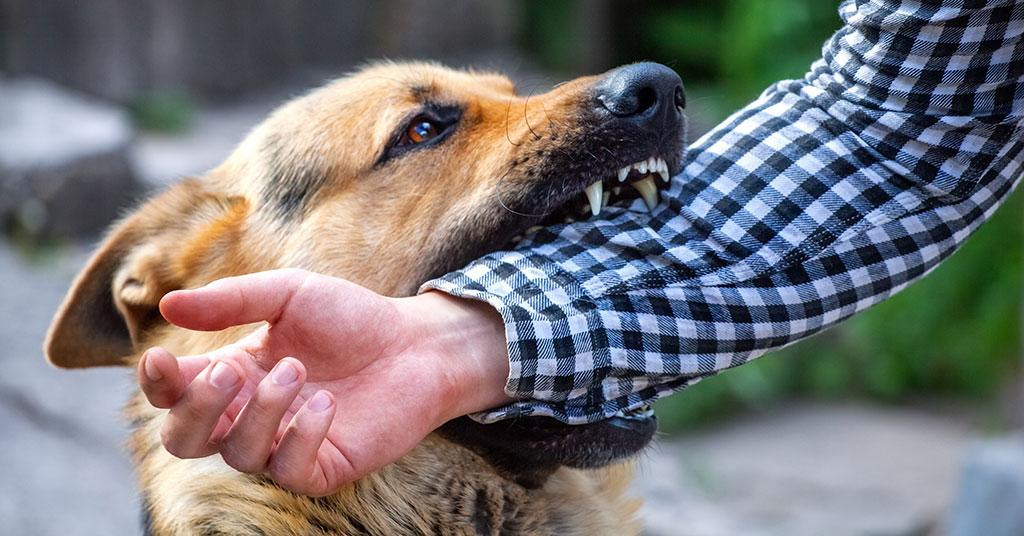
The compensation will depend upon the injuries sustained, the evidence produced, and the applicable laws.
Losses can be monetary in nature as well as those that cannot be easily quantified, yet none of these categories is automatically included in every claim. The documentation and the situation demonstrate the losses caused by the bite.
Compensation depends on the injury and the proof behind it. Keep every bill, record, and photo, because documented losses are far easier to explain than estimates.
Compensation depends on the nature and severity of the injury, the available evidence, and the applicable law. Medical costs, lost income, pain, emotional effects, and permanent scarring may be relevant depending on the case.
Reviewing general information about personal injury settlement amounts can provide background, but it should not be treated as a reliable estimate of what an individual dog bite claim is worth.
Economic damages:
Economic damages involve the quantifiable losses associated with the injury. These may include any past medical expenses and also any anticipated future medical or lost wages, provided there is sufficient evidence. A good method of arranging the documents is to categorize the expenses:
| Loss | Examples of supporting records |
|---|---|
| Medical care | Bills, treatment notes, prescription receipts |
| Missed work | Pay stubs, employer records, leave documentation |
| Future expenses | Provider recommendations and cost estimates |
These records do not guarantee reimbursement, but they can help explain the amount requested. Keep copies as new bills arrive, and distinguish expenses already paid from those still outstanding.
Non-economic damages:
“Non-economic damages would account for the injuries that cannot be priced because of their lack of monetary value.
They can include things like physical suffering, emotional suffering, and any scarring that is caused. What kind of injury it is, how serious it was, how long it lasted, and how it affects your day-to-day activities are all factors that may be considered.”
The impact of a dog bite can extend beyond medical bills, particularly when an injury causes lasting scars, emotional distress, or limitations in daily activities.
Looking at personal injury settlement examples may help explain how different types of harm can affect compensation discussions, although the facts and applicable law differ from case to case.
Does Homeowners or Renters Insurance Cover Dog Bites?

Some dog bites are covered by a liability clause within a homeowner’s or renter’s insurance policy. However, whether a particular incident and policy cover liability will be evaluated separately by the insurance company of the dog owner.
Homeowners and renters insurance policies may provide liability coverage for certain dog bite incidents, but exclusions, coverage limits, and policy conditions can affect the outcome.
If the insurer refuses coverage or disputes the claim, understanding what to do if your injury claim is denied by insurance may help you identify possible next steps.
The policy wording and circumstances of the incident should be reviewed before drawing conclusions about coverage.
Therefore, in many cases the insurance company asks the policyholder for additional information about the accident and injury.
The discussion about insurance coverage is different from the issue of liability and does not indicate the validity of the case.
In case when you receive communication from an insurance company, I would recommend you to respond only to the factual information, keeping records of all documents, letters, emails and forms received.
In any case I would suggest you to refrain from giving any signature or receiving a payment without clear understanding what it means.
What to Do After a Dog Bite
Being bitten is an uncomfortable experience and immediate health considerations should always take priority.
Medical help should be sought immediately regardless of the severity of the injury and one must follow the recommendations of the healthcare practitioner. In case of danger or if the dog is not yet restrained, safety is paramount.
Prompt medical attention is important after a dog bite, particularly when the wound is serious or signs of infection develop.
Get medical care first. Then, when it is safe, write down what happened and collect the owner’s details and any witness information while it is still fresh.
A claim against the dog owner is separate from any potential issue involving medical treatment. If you believe negligent treatment caused additional harm, the circumstances may raise separate questions about hospital negligence.
I would make efforts to write down the information before it becomes stale but without making delay for medical help:
- Take photos of the wound and the place if it is safe to do so.
- Get the name and contact number of the dog owner as well as the witness information, if any.
- Note down the date, time and location of the incident along with your version of the incident.
- Keep the medical reports and other documentation related to the biting incident.
Such information could prove useful for you and even your lawyer in future when you will analyze the incident sequence. Keep all information in one place and update the same as per treatment progress.
When to Hire a Dog Bite Lawyer

Speaking with a lawyer may be helpful if the injury is serious, treatment is ongoing, liability is disputed, or an insurance company is pressuring you to provide a statement or sign a release. Understanding when to hire a personal injury lawyer can help you assess whether legal guidance may be appropriate for your circumstances.
It might also be a good idea if it is not clear who owns the dog or if the person injured by the dog was a child.
Before choosing legal representation, you may also want to understand how much a personal injury lawyer costs and whether the lawyer offers a consultation or works under a contingency-fee arrangement. Fees and payment terms vary, so review the agreement carefully before deciding how to proceed.
It also has a list that shows the provision for a free legal consultation, which may be helpful in beginning the process of questioning legal services. A lawyer will determine whether your case is legitimate.
Finding a Legal Service
If you have been injured by a dog and need help understanding your legal options, you can use LawyerHelpNow to find a personal injury lawyer.
A lawyer can review the circumstances, explain which laws may apply, and discuss potential next steps. Eligibility, fees, and consultation terms depend on the service and the lawyer you choose.
Frequently Asked Questions
How long do I have to file a dog bite lawsuit?
The deadline depends on the state and the details of the claim. I would check the applicable limitation period promptly with a lawyer rather than assuming that a general deadline applies everywhere.
Can I sue if the dog never bit anyone before?
Possibly. A prior bite is not the only fact that may matter; negligence, local statutes, and other evidence of dangerous behavior may also be relevant under the law that applies.
What if the dog injured me without biting?
A claim may still be possible if a dog caused an injury in another way, such as knocking someone down. The available legal theory depends on the facts and local law.
Can I make a claim if I was visiting the dog’s owner?
Possibly. Whether you were lawfully present, what happened during the encounter, and any relevant warnings or defenses may affect the claim.
Will the dog owner’s insurance pay my medical bills?
A policy may cover some claims, but coverage varies. An insurer will review the policy and circumstances, and coverage is distinct from whether the owner is legally responsible.
What evidence should I keep after a dog bite?
Save medical records, bills, photographs, witness details, and communications with the owner or insurer. A written account made soon after the incident may also help preserve your recollection.
How much compensation can I get for a dog bite?
There is no standard amount that applies to every case. Any recovery depends on the injury, documented losses, evidence, liability, and applicable law.