


Introduction
A construction site can involve employers, contractors, equipment makers, and property owners, so one injury can raise more than one legal question. A construction accidents attorney can help sort out which claims may apply, including workers’ compensation and, in some cases, a third-party lawsuit.
Key Takeaways
Construction site injuries can involve several parties, and the available options depend on the facts and the law where the accident happened. I would focus first on getting care, preserving useful records, and learning which claims may apply.
- Workers’ compensation and a third-party lawsuit are different routes and may both be relevant.
- Site conditions, equipment, and the actions of multiple companies can matter when determining responsibility.
- Medical records and timely documentation can help explain how an injury affects daily life and work.
- Serious injuries may require ongoing treatment, rehabilitation, and financial support.
- A construction accidents attorney can help assess the facts and explain possible next steps.
Why Construction Accident Cases Require a Specialist Attorney
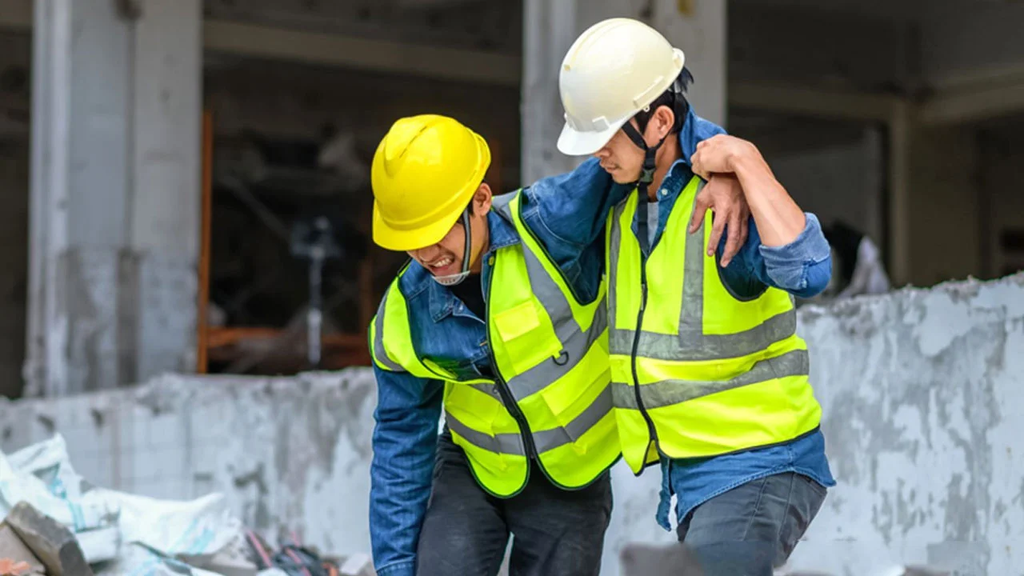
A construction accident can happen in seconds, but investigating its cause can take considerable time.
A site may include an owner, general contractor, subcontractors, equipment suppliers, and others with various roles and responsibilities. The worker’s employer is not necessarily the only party whose actions should be investigated.
The legal options available after a construction accident depend on where the incident occurred, the worker’s employment relationship, and the nature of the hazard.
Workers’ compensation claims follow different rules from claims against potentially responsible third parties, and deadlines may vary by jurisdiction.
A site may include an owner, general contractor, subcontractors, equipment suppliers, and others with various roles and responsibilities. I would not presume that the only one to look at is the worker’s employer.
Understanding what to do after a workplace injury can help workers organize their next steps while a construction accident attorney evaluates which legal options may apply.
Evidence can rapidly alter after a job-site incident. Equipment can be shifted, a hazard fixed and witnesses moved while work is in progress.
While the scene and events are easier to document, a lawyer who is familiar with these cases will be able to help identify records and potential sources of evidence.
Most Common Construction Accidents That Lead to Lawsuits
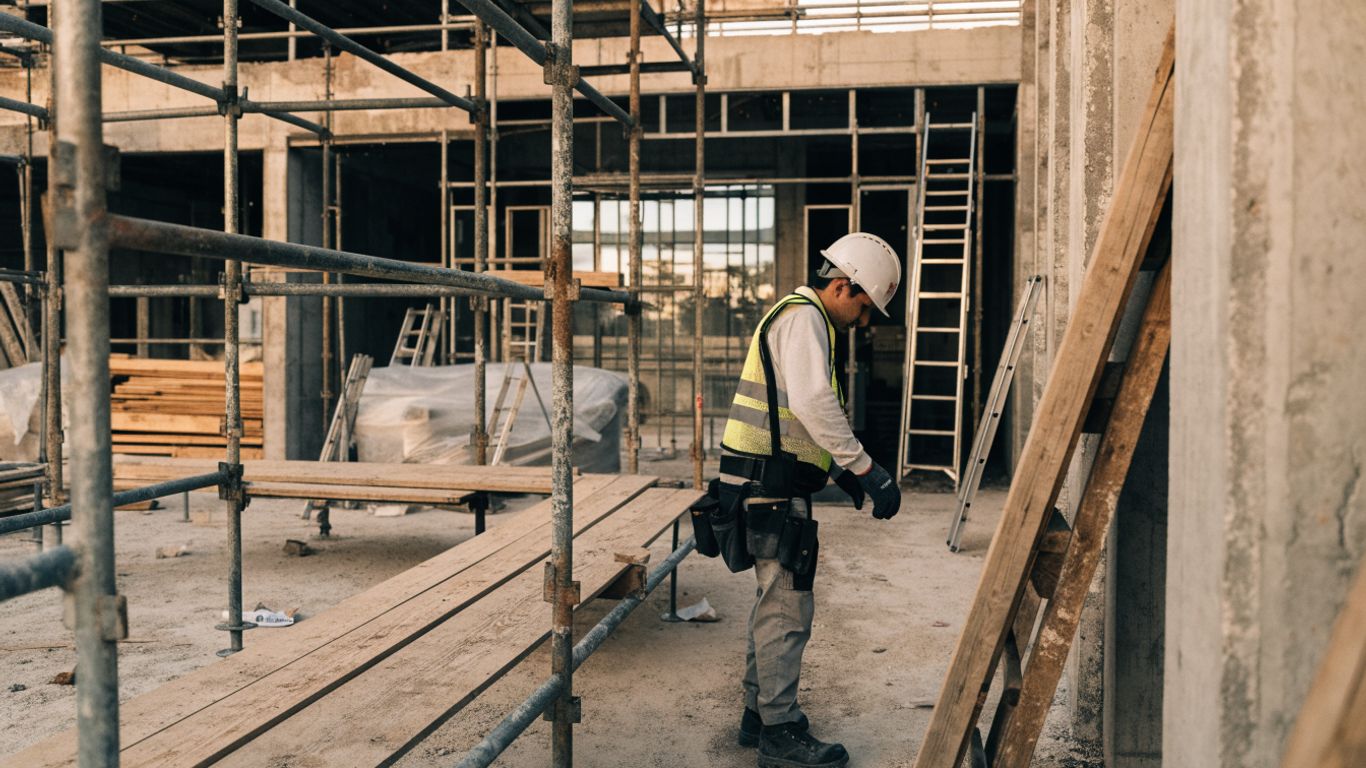
Construction sites involve working at heights, operating heavy equipment, using temporary structures, and navigating changing work environments.
The cause of an accident cannot always be determined from the injury alone, so the site conditions and sequence of events are important.
Understanding how to avoid workplace injuries can provide additional safety context, while the following sections explain common construction hazards and the evidence that may help clarify how an accident occurred.
Falls From Heights: Scaffolding, Ladders, and Rooftops
Falls from elevated work areas can cause serious injuries. Fall-protection equipment, scaffold inspections, and training records may help show what happened.
Struck-By Accidents: Falling Objects and Moving Equipment
Tools, materials, or vehicles can strike workers on a site. Site layout, overhead protection, and who controlled the area may be relevant.
Caught-In and Caught-Between Accidents
Workers can be pulled into or pinned between machinery, equipment, or materials. Machine guarding, lockout procedures, and maintenance records may be examined.
Electrocution and Electrical Accidents
Contact with live wires, power lines, or faulty equipment can cause electrical injuries. Wiring conditions, shutoff procedures, and safety training may matter.
Trench and Excavation Collapses
The walls of a trench can give way with little warning. Shoring, inspections, and soil conditions may be part of the review.
Crane and Heavy Equipment Accidents
Operator actions, load handling, and equipment condition can all play a role. Operator training, maintenance, and load records may be relevant.
Defective Tools and Equipment Failures
A tool or machine that fails can cause injury even when used correctly. Maintenance history and the product itself may be relevant, and a party other than the employer may be involved.
Falls From Heights — Scaffolding, Ladders, and Rooftops
Falls may occur if a scaffold is not stable, a ladder moves, an opening is not secured or guarded, or a person is not wearing the proper fall protection.
The question of how the fall happened is the first one to consider, but the circumstances surrounding the fall are important as well: Who was responsible for access equipment, who was in charge of the work area, and did the task change during the shift? Keeping detailed notes can help establish the sequence of events.
If it is safe to do so, I would write down a few notes as soon as possible:
- Specific location and elevation, if known.
- The condition and location of the ladder, scaffold or guard rails.
- Identification of witnesses and contact information.
- Photographs of the area and any hazards visible (where safe and allowed).
These notes are not a substitute for medical care or a formal investigation, but they can help preserve an accurate record of events.
A worker should not risk his or her life to collect evidence, and first medical aid should be sought.
Struck-By Accidents — Falling Objects and Moving Equipment
A worker can be hit by a falling tool, a moving or shifting object, a vehicle or moving machinery. The inquiry may cover where people were working, how materials were obtained and the coordination of traffic or equipment movements.
The same type of injury may result from widely varying situations, so it is helpful to have information about the work and conditions of the work site.
Caught-In and Caught-Between Accidents
Such incidents can include being trapped between items, or becoming entrapped in machinery, materials or a collapsing structure.
When reconstructing what happened, guarding, access, communication and the work sequence can all be relevant.
Witness accounts and site records may also be important because the injured person may not be able to describe the incident immediately following the injury if the injury is serious.
Electrocution and Electrical Accidents
Exposed wiring, energized equipment or overhead power lines may result in shock, burns, fall or cardiac complications.
This can include the condition of electrical systems, line location and coordination of crews. If a person has been exposed to an electrical hazard, they should seek immediate medical evaluation, even if the symptoms appear to be mild.
Trench and Excavation Collapses
Soil can shift or collapse with little warning, trapping or crushing workers in an excavation. Site conditions, protective systems, and the planning of work near the trench may be important facts to examine.
Because a collapse can create continuing danger, rescue and emergency response take priority over any attempt to document the scene.
Crane and Heavy Equipment Accidents
Heavy equipment accidents, including crane accidents, may include a load swing, equipment failure, collision or loss of control.
The condition of the equipment, the work plan, and communication among those operating or guiding the equipment may help explain how the incident occurred.
Records from more than one company may be needed for a serious incident, not just a worker’s employer.
Defective Tools and Equipment Failures
A tool malfunction or missing guard or failed component can be a contributing factor to an injury, but it must be determined, not assumed.
Information that can be relevant may encompass the condition of the equipment, its use and whether it was inspected or repaired. If a product defect is suspected, it may be important to preserve the tool and records if it is safe to do so.
Workers Compensation vs. Third Party Lawsuit — Which Gets You More?
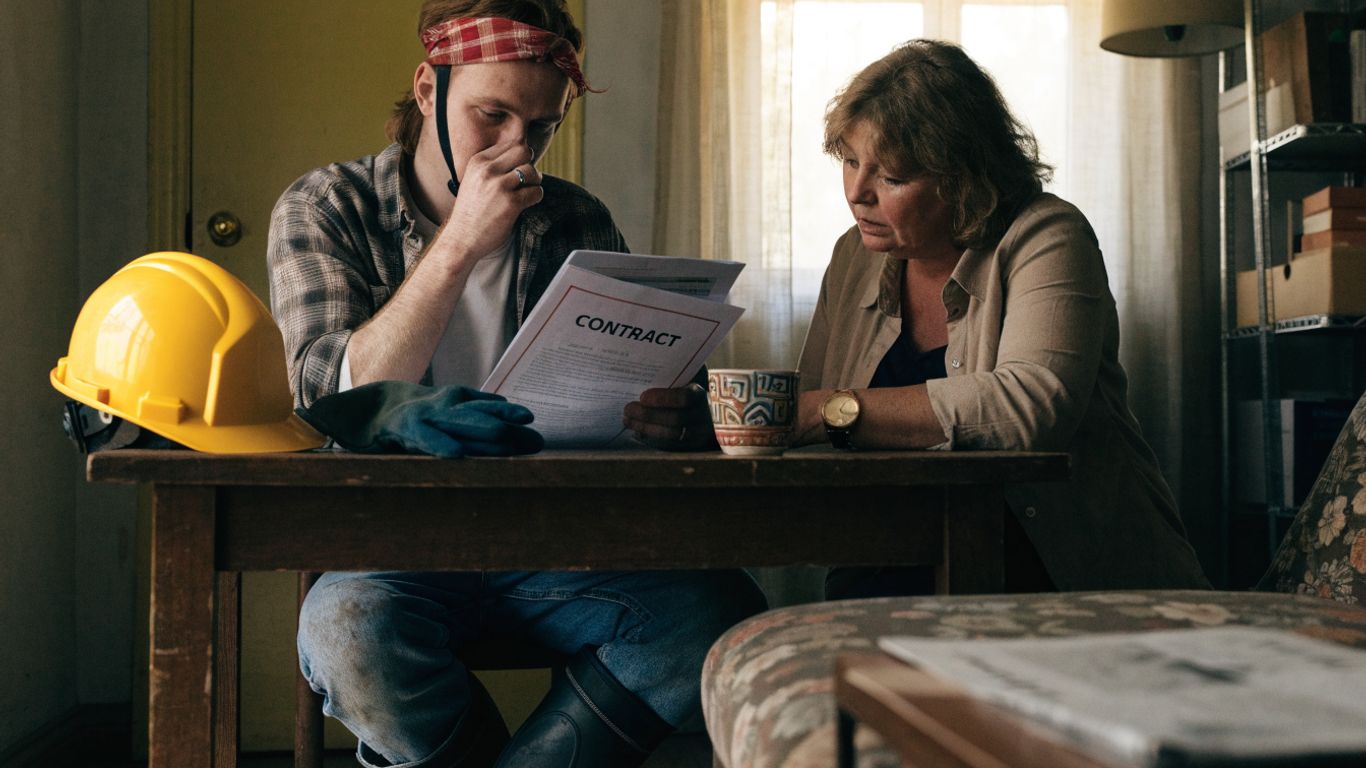
Workers’ compensation and third-party injury claims are different legal options, and the available routes depend on the facts and applicable state law.
In some cases, an injured construction worker may qualify for workers’ compensation benefits while also having a potential claim against a separate responsible party, such as a contractor or equipment manufacturer.
One type of claim does not automatically replace the other, so the worker’s employment circumstances and the roles of other parties should be carefully evaluated.
This comparison may be useful to help highlight the difference, but it is only a general guide. A local overview of construction injury claims in New York provides an overview of how compensation and claims against other parties may apply in that jurisdiction, which can vary from other jurisdictions.
| Issue | Workers’ Compensation | Third-Party Lawsuit |
|---|---|---|
| Potential source | A workers’ compensation system | A party other than the worker’s employer, depending on the facts |
| General focus | Benefits related to a work injury | Responsibility for an injury and resulting losses |
| What may be examined | Employment, medical information, and benefit rules | Site conditions, conduct, contracts, or equipment, as relevant |
| How outcomes are determined | Applicable compensation rules and claim process | Evidence, applicable law, and the facts of the claim |
The table does not tell what a specific worker may recover. There are different rules for workers’ compensation benefits and a third-party claim, and there may be restrictions on the interaction of claims.
Readers can use LawyerHelpNow’s free inquiry option to explore their legal options and begin a conversation about their case.
Common Injuries in Construction Accident Claims
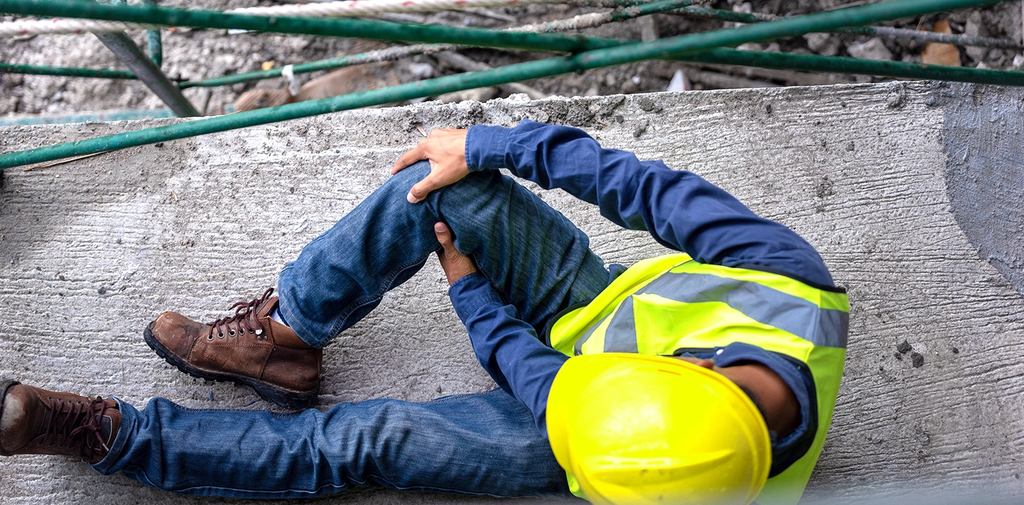
Accidents can result in a wide range of injuries, and symptoms may become more apparent over time.
Initial diagnosis is just a part of the story; recovery, treatment, work restrictions and/or continuing care may also be important. I would retain copies of medical records and follow-up instructions as care is ongoing.
Falls, falling objects, or strikes to the head can cause effects that vary widely and may not show up right away.
Damage to the spine can affect movement or sensation, and may require long-term medical care.
Heavy equipment, materials, or machinery can cause severe injuries, sometimes involving the loss of a limb.
Falls and impacts commonly cause fractures, and recovery can range from casting to surgery and rehabilitation.
Electrical contact, fires, or explosions can cause burns of varying severity, each needing its own treatment.
When a site accident is fatal, surviving family members may have legal options, depending on state law and the facts.
Traumatic Brain Injuries and Head Trauma
A concussion or more serious traumatic brain injury can result from a fall or blow to the head on a construction site.
Symptoms may include headaches, confusion, memory problems, or other changes that are not immediately obvious.
Prompt medical assessment and follow-up are important, particularly if symptoms worsen. Depending on how the accident occurred and who may be legally responsible, workers may also want to understand their legal options after a brain injury.
Spinal Cord Injuries and Paralysis
The spine or spinal cord can be injured by a sudden fall, impact or crushing injury. Depending on the injury, the effects can be as varied as pain and loss of movement to permanent paralysis.
Emergency care, rehabilitation, and ongoing support may be required and records of the care received can help to demonstrate the course of recovery.
Crush Injuries and Amputations
If a worker becomes trapped under equipment or between heavy objects, it can cause serious tissue damage, fractures or loss of a limb. These injuries can be surgical and may necessitate long recovery times, and may prevent a person from being able to resume the same type of job. Care plans and medical assessments document immediate and ongoing needs.
Broken Bones and Fractures
Fractures can result from falls, blows, or crushing incidents. Some heal with time and treatment, while others may require surgery or result in permanent limitations.
The effects on work and daily activities may depend on the location and severity of the break and how things are going.
Burn Injuries From Electrical and Fire Accidents
Burns of different severity can occur from electrical contact, fire, hot materials and some chemical exposures.
Treatment can involve wound care, surgery, and rehabilitation, and scarring or other long-term effects can occur.
Medical documentation can be useful to understand the severity of the injury and what care should be provided next.
Wrongful Death on a Construction Site
When a fatal construction accident occurs, surviving family members may face grief alongside questions about the incident and their legal options.
Depending on the circumstances and applicable law, eligible family members may be able to explore a wrongful death claim.
Keeping relevant records and seeking legal guidance can help families understand potential claims, eligibility requirements, and applicable deadlines.
What to Do After a Construction Site Accident
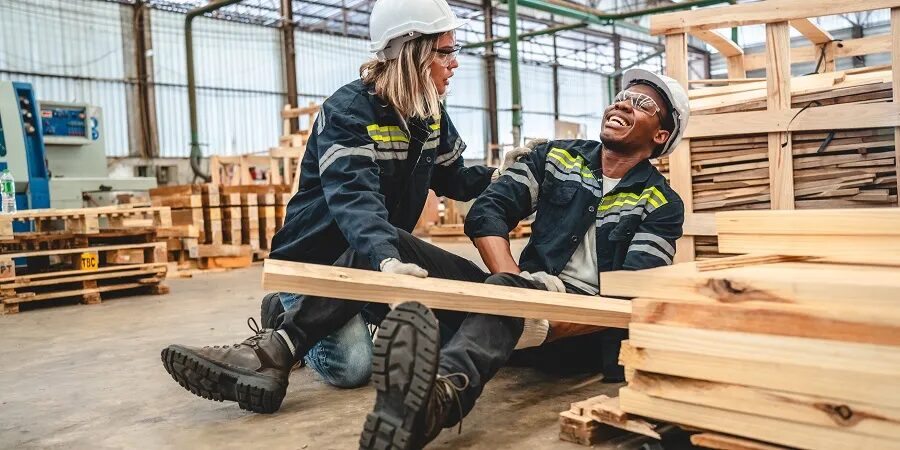
When necessary, go to an emergency room, and schedule a medical evaluation even if an injury appears to be minor.
Report the incident using the proper workplace procedure and retain a copy of the report or confirmation. I would record what happened, as long as I remember it, and not guess what I don’t remember.
After urgent medical needs have been addressed, keep records that may help explain how the accident occurred and how the injury affected you.
These may include photographs taken safely, witness contact information, work schedules, medical records, and relevant communications.
Do not alter or destroy potentially useful equipment or records, and never put your safety at risk to collect evidence.
I would record what happened as long as I remember it, and not guess what I don’t remember.
Before signing documents or providing detailed statements, make sure you understand what they involve and consider seeking legal advice.
Procedures and deadlines vary depending on the circumstances and jurisdiction. For more guidance on steps to take after a workplace injury, readers can review the related guide.
LawyerHelpNow also offers a free inquiry option for people seeking to connect with a personal injury lawyer.
Find Legal Help
If you were injured in a construction accident and want to understand your legal options, a workplace injury lawyer may be able to review the circumstances and explain which claims could apply. LawyerHelpNow offers a free inquiry option to help you begin exploring your options.
Frequently Asked Questions
Can I receive workers’ compensation and file a third-party lawsuit?
Depending on the facts and local law, both routes may be available. Workers’ compensation and a third-party claim have different rules, so a qualified attorney can review how they may apply to a particular injury.
Who may be responsible for a construction site accident?
Potential responsibility depends on the circumstances. An employer, property owner, contractor, subcontractor, equipment supplier, or another party may need to be considered, but involvement alone does not establish legal fault.
How long do I have to bring a construction accident claim?
Deadlines vary by jurisdiction and may depend on the type of claim and the parties involved. It is prudent to seek local legal guidance promptly rather than relying on a general deadline.
What evidence can help explain how the accident happened?
Photos, witness details, incident reports, medical records, work schedules, and information about equipment or site conditions may be relevant. Collect evidence only when doing so is safe and permitted.
Should I report a construction site injury?
Follow the applicable workplace reporting process as soon as reasonably possible and keep a copy of the report or confirmation. Prompt reporting may help preserve an accurate record of the incident.
What if my symptoms appear after the accident?
Seek medical evaluation and explain when the symptoms began and how they have changed. Keep records of follow-up care, since some injuries may not be fully apparent at the scene.
Can a family pursue a claim after a fatal construction accident?
A family may have legal options depending on the jurisdiction and the circumstances. A local attorney can explain who may bring a claim, what deadlines apply, and what information is needed.