

What Is a Deposition in Law? A Complete Guide
Introduction
A deposition can sound intimidating, but it’s simply sworn testimony given outside the courtroom. Understanding who’s involved and how it works makes the process far less stressful whether you’re the one being questioned or just trying to understand your case.
Key Takeaways
What is a deposition in law? A deposition is a formal part of the discovery process, but it takes place outside the courtroom. I can make the process easier to understand by separating its purpose, participants, and practical steps.
- A deposition is sworn testimony given outside court.
- The deponent answers questions from attorneys while a court reporter records the session.
- Depositions help parties learn facts, evaluate claims, and prepare for trial.
- Answers should be truthful, careful, and limited to what the question asks.
- Preparation with a lawyer can make the process less stressful and more organized.
What Is a Deposition?
A deposition is a formal process in which a witness or party answers questions under oath before trial. The testimony is usually recorded by a court reporter and may be used during discovery, settlement discussions, or, in certain circumstances, at trial.
The deposition process is conducted during the stage of the discovery process where each party collects the relevant information about the claims and the defenses presented in the case.
The deposition process takes place under oath as compared to the regular interviewing process. In the deposition process, the questions and answers are recorded by the court reporter.
The transcript of the record will be used at a later stage especially if the witness changes his/her statement or makes any significant admission. Different jurisdictions have different rules regarding the process.
A deposition is a formal part of the discovery process, but it takes place outside the courtroom. I can make the process easier to understand by separating its purpose, participants, and practical steps.
The deposition process should be seen as the process of collecting information and also previewing the possible testimony of the witness during the trial process.
In the deposition process, the judge is not normally present in the room while the attorneys may object at various times and the court process will be invoked if there is a serious objection made. Wex has a good deposition definition.
Why Are Depositions Taken?
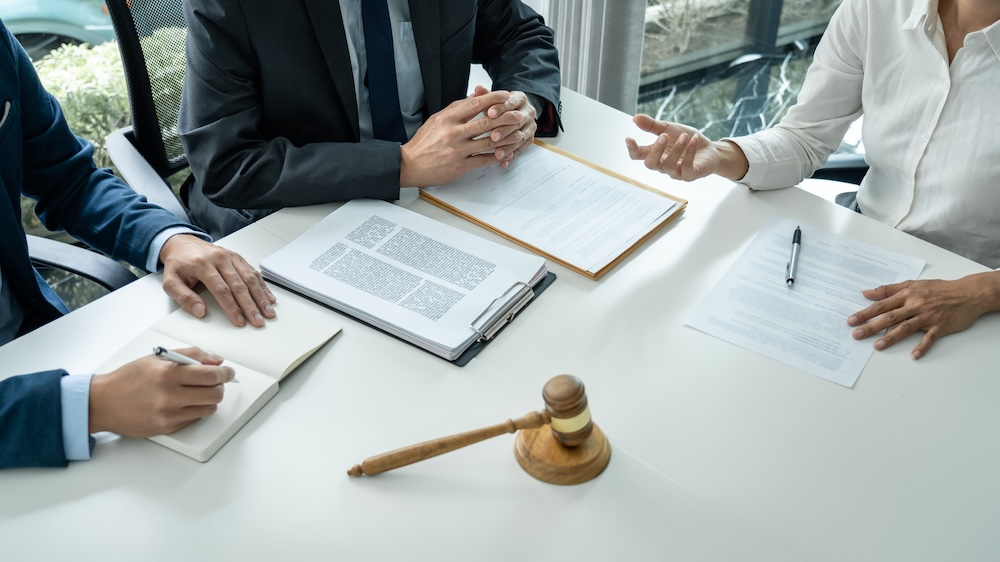
Depositions allow both sides to get some idea of the facts that the witness is aware of prior to the trial. The lawyers can question the witness on any matter connected with the case – from the events and documents, to injuries and business practices.
Depositions also help in assessing the performance of a witness. Through the deposition process, the lawyer will be able to sort out the timeline, find the memory lapses in the witness, look into additional evidence, and secure the testimony from the witness who may not be available anymore later.
The purposes of taking depositions can be divided into several practical categories:
- For the purpose of discovering facts and obtaining documents and witnesses.
- For assessing the merit of a claim or defense.
- For preserving testimony or establishing what the witness will probably say.
- For narrowing down the issues that will have to be decided in court.
This does not mean, however, that all depositions are intended to result in going to trial. The information obtained can be used for the negotiation process.
Who Attends a Deposition?
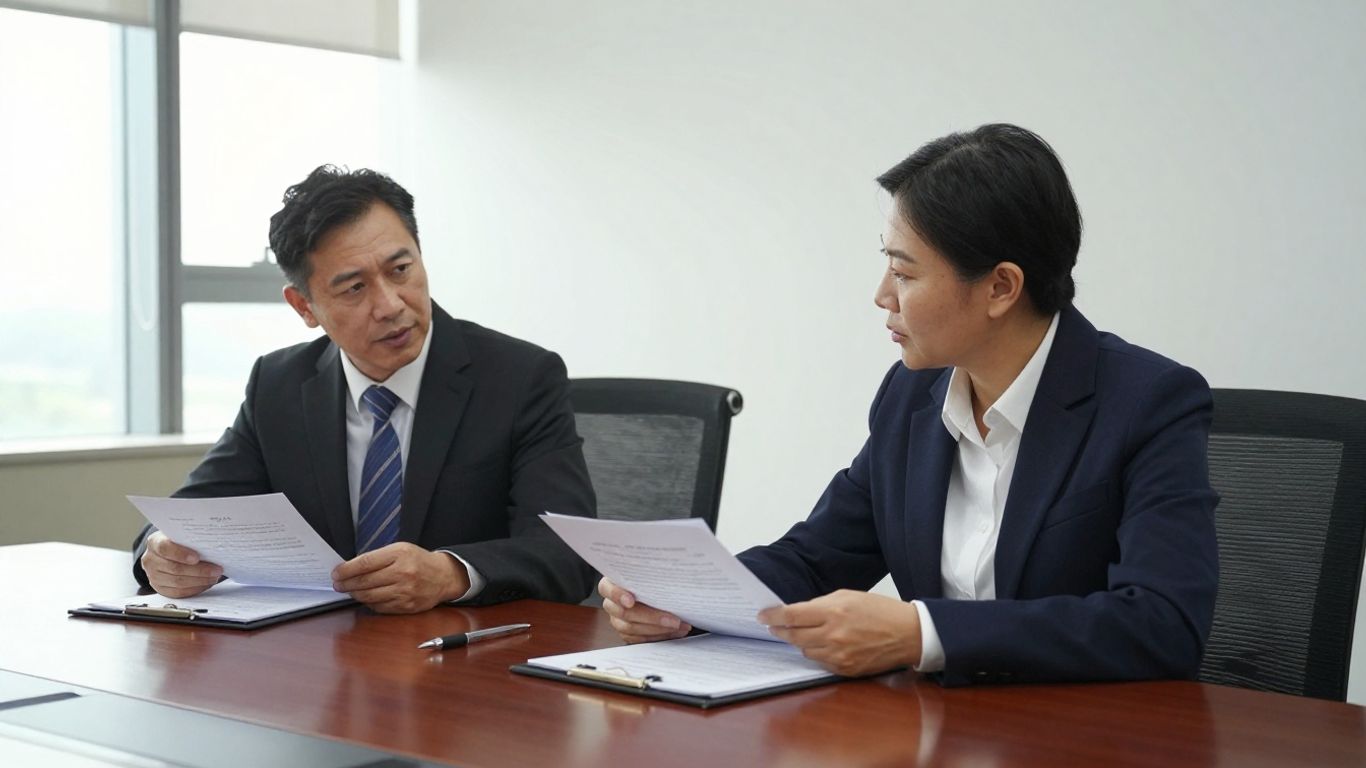
Deposition is mostly a minor event. It could differ, especially for a complicated case, but mostly includes the person answering questions, attorneys, and a court reporter. If you are involved in a personal injury lawsuit, it is important to understand when to hire a personal injury lawyer and whether you should have an attorney present during the deposition. Your lawyer can explain the process, prepare you for likely questions, and help protect your legal rights.
The Deponent
The person answering questions under oath — a party, witness, employee, or medical professional with relevant knowledge of the case.
Attorneys for Both Sides
One attorney asks the questions while the deponent’s own lawyer is present to raise objections and protect their client’s legal rights.
The Court Reporter
Swears in the witness and creates the official written record of everything said, sometimes with a video recording as well.
The Deponent
A deponent may be a party to the case, an eyewitness, an employee, a medical professional, or another person with relevant information.
For example, a worker involved in a workplace injury claim may be asked to provide testimony about the accident, medical treatment, or the impact of the injury. Readers dealing with this type of case may also want to learn more about a workers’ compensation lawsuit.
The lawyer can offer legal advice to the deponent, but the lawyer does not answer the question for the deponent. If the question is confusing, the witness can seek clarifications. Where there is a genuine privilege or another legal cover, the lawyer can advise the witness how to answer.
Attorneys for Both Sides
Questions for deposition are usually asked by the attorney conducting the deposition, whereas other attorneys can ask follow-up questions. A deponent has his or her own attorney who is present in order to look after the client’s legal rights, raise objections and resolve any procedural issues.
An attorney might raise an objection, yet an objection does not automatically entitle the witness to refuse answering the question. It depends on the objection raised, rules and orders of the judge whether the answer should be provided. This is another reason why I would not risk guessing the procedure and trust my own attorney.
The Court Reporter
The court reporter is responsible for swearing in the witness and for making the written record of questions and answers. The reporter might also manage exhibits and ensure that all parties can hear properly. It is possible that the testimony will be recorded on video or using other authorized methods.
The transcript serves as an important document after the deposition. The witness may get the chance to see the transcript based on the relevant rules and decisions taken in the deposition process. There is also a guide to depositions, which gives information about the common participants and recording process.
How Does a Deposition Work? (Step-by-Step)

This process is usually initiated by the party which schedules the deposition using either the notice, subpoena, or agreement among the attorneys.
Notice sets forth the identity of the witness, the time, the place of the deposition, and even the items that he needs to bring along with him. Deposits can be done at the law office, at any other mutually agreed place, or even by remote means if allowed by the procedure and the parties involved.
During the course of the process, the court reporter will swear in the deponent. Then, the questioning attorney may proceed to ask initial questions before going into the facts surrounding the incident.
The process generally unfolds as follows:
Arrange the Deposition
The parties schedule the session and determine which documents are necessary.
Confirm Attendance & Oath
The reporter ascertains who is present and administers the oath to the deponent.
Questioning Begins
The questioning lawyer poses questions and introduces exhibits as needed.
Objections & Follow-Up
The other lawyers raise objections and pose their own questions.
Record Is Created
The process ends, and the reporter finalizes the official record.
The duration will depend on the specifics of the particular case, the individual giving testimony and the rules that apply. In preparing to give evidence myself, I would find out what takes place after the process, including any transcription, correction and possibility of having to give more testimony. The important thing is to approach every answer with the seriousness of an official record.
Types of Deposition Questions
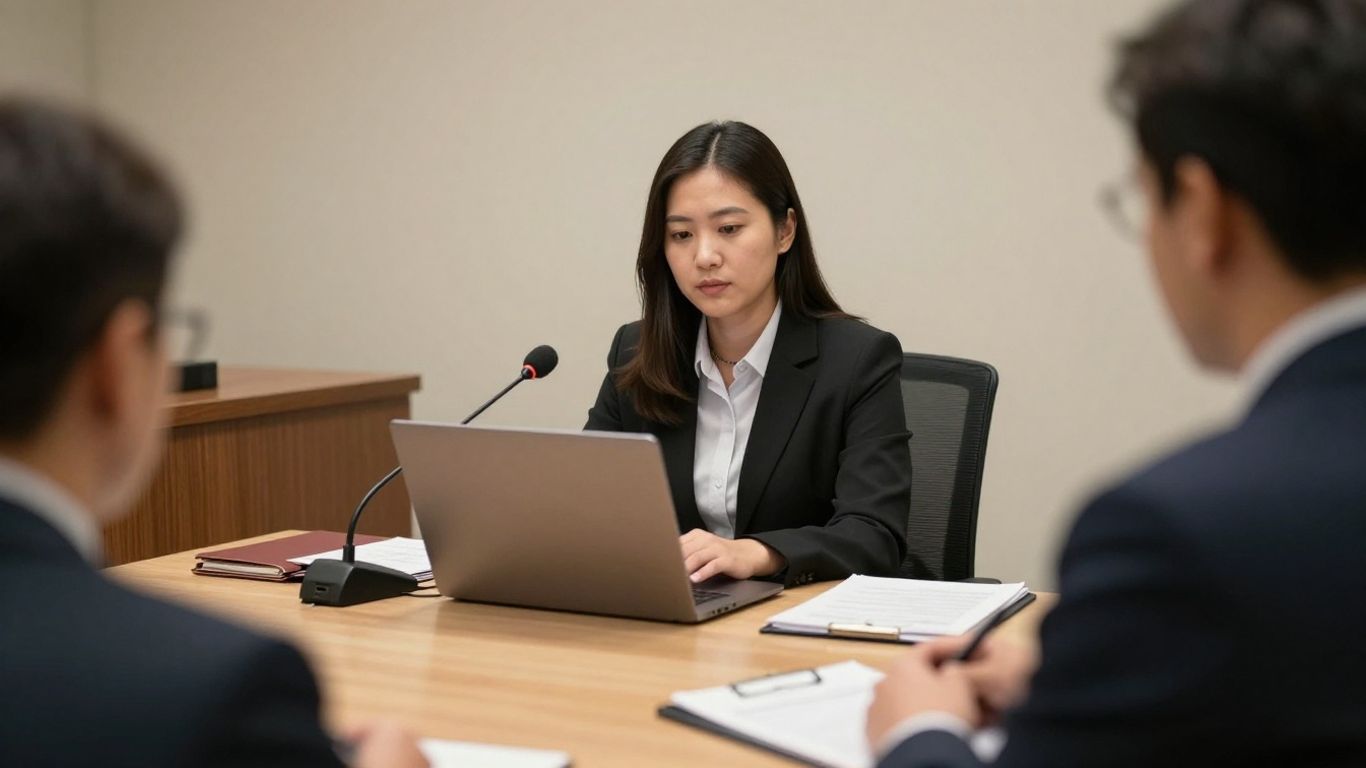
Deposition questions can include anything from basic questions to very specific questions about the case. Early questions generally deal with issues such as the identity of the witness, occupation, education, relevant experience, and the process used to prepare the witness. Subsequent questions typically relate to important facts relevant to the claims or defenses.
Questions might request that the witness give an account of what happened in their own words, or ask for dates, names, places, documents, communications, or the basis for a certain opinion.
An attorney may also inquire about the discrepancies between documents and memory; however, the witness is to respond according to what he or she remembers rather than attempting to fit the bill of the questioning party.
The below table identifies the various question types and what they seek to illuminate:
| Question Category | Typical Focus | Why It Matters |
|---|---|---|
| Background | Identity, work, experience, and preparation | Establishes context and possible bias |
| Timeline | Dates, sequence, and duration of events | Tests whether the account is coherent |
| Documents | Records, messages, photographs, and reports | Connects testimony to evidence |
| Knowledge | What the witness saw, heard, or did | Separates personal knowledge from assumption |
| Credibility | Prior statements, conflicts, or inconsistencies | Helps assess reliability and possible impeachment |
In a medical negligence case, a medical malpractice lawyer may question healthcare professionals about the standard of care, medical records, treatment decisions, and the connection between the treatment and the alleged injury.
Deposition vs. Trial Testimony — What’s the Difference?
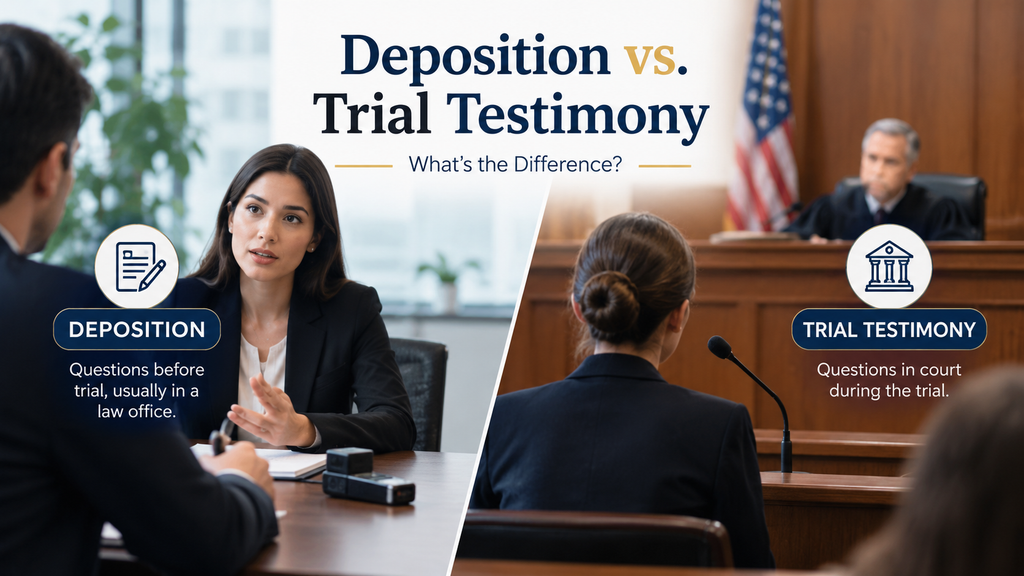
Both deposition testimony and trial testimony are generally given under oath, but they serve different purposes. A deposition usually takes place outside the courtroom during the discovery stage. Trial testimony is presented before a judge or jury as part of the formal trial.
Depending on the applicable rules, deposition testimony may sometimes be used to challenge inconsistent testimony, establish an admission, or address situations where a witness cannot testify in person.
It can be different in atmosphere as well, where a deposition is conducted with the presence of the parties, their lawyers, and the court reporter, whereas there can be a judge, jury, witnesses, and others at trial. In trial, the judge makes rulings on objections and controls the submission of evidence to the trier of the fact.
| Deposition | Trial Testimony | |
|---|---|---|
| Where It Happens | A lawyer’s office or conference room, outside of court | In the courtroom, before a judge and often a jury |
| Who Is Present | Attorneys, the witness, and a court reporter | Judge, jury, attorneys, and the public |
| Purpose | To gather facts and lock in testimony before trial | To present evidence and persuade the fact-finder |
| Judge Present? | No — objections are noted but usually not ruled on | Yes — the judge rules on objections in real time |
| How It’s Used | Can be used later to impeach inconsistent trial testimony | Becomes part of the official trial record |
Deposition testimony is not necessarily utilized in the same manner as live testimony, because its utilization can depend on procedural rules, hearsay, admissions, contradiction, or even the absence of the witness. There is also a helpful discussion of deposition in Washington, including an overview of the oath, witnesses’ role, expense, and preparation.
Tips for Preparing for a Deposition
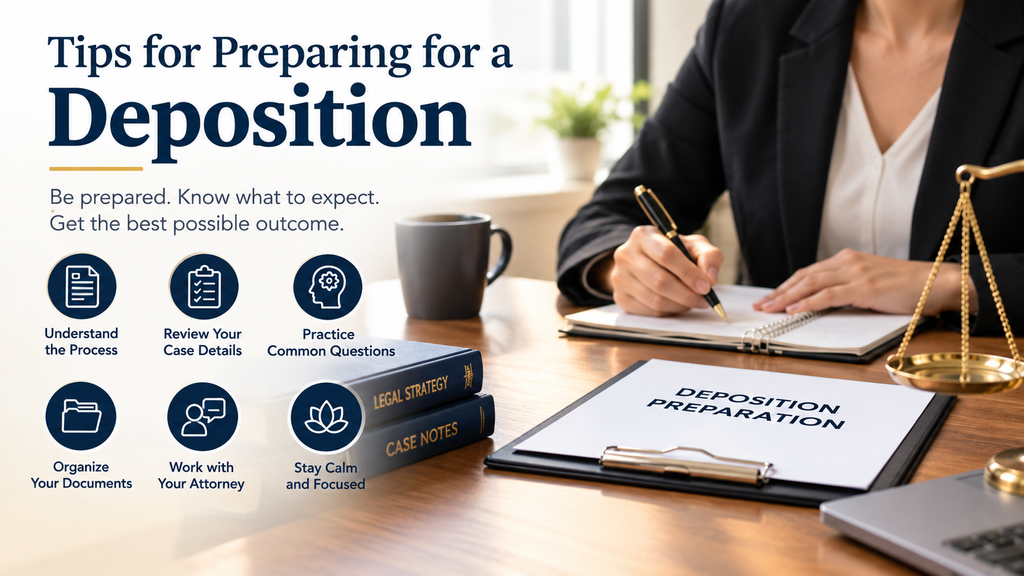
A good preparation does not mean learning lines by heart. It means going over the material, becoming acquainted with the problems, and feeling confident about the process.
I would get together with my lawyer prior to the deposition, talk about the topics which will likely come up, and make a list of any materials or dates which might require special attention.
Additionally, I would decide on the ways of listening and answering questions. A deponent needs to spend enough time thinking about the question, refrain from providing unnecessary information, and inform the other party when he does not know the answer to a certain question.
Preparation Checklist
Preparation must not include altering a true story in order to make it sound nicer. Preparation for forensic expert deposition also puts great emphasis on the revision since the testimony is a legal document that will be able to be questioned at a later stage. I would tell the truth if I was not sure about my answers.
Get Legal Help
If you need help understanding your rights or preparing for a deposition, consider speaking with a qualified lawyer. Before hiring an attorney, you may also want to understand how much a personal injury lawyer costs, what services are included, and whether the lawyer charges an hourly fee or works under a contingency-fee arrangement.
Talk to Someone Who Can Help — Today
Available 24/7. Our intake specialists listen, help you understand your options, and connect you with the right attorney at no cost.
Frequently Asked Questions
Is a deposition the same as a trial?
No. A deposition is usually an out-of-court discovery proceeding, while a trial is a formal hearing before a judge or jury. Deposition testimony may sometimes be used in court, but the rules governing that use vary.
Does a deposition happen before trial?
Usually, yes. Depositions commonly occur during discovery before trial, although the timing depends on the case schedule, court rules, and agreements between the parties.
Do I have to answer every deposition question?
A deponent generally must answer proper questions truthfully, but there may be valid grounds for refusing or limiting an answer, such as privilege or a court order. The deponent’s attorney can explain how to respond.
How long does a deposition take?
The length varies with the complexity of the case, the number of topics, and applicable time limits. Some are brief, while others take several hours or occur over more than one session.
Can I say I do not remember?
Yes, if that is the truthful answer. A witness should not guess, speculate, or manufacture a detail simply because a question expects a precise response.
Is a deposition recorded?
Usually, a court reporter prepares a transcript of the questions and answers. Some depositions may also be recorded by video or another authorized method, depending on the rules and arrangements.
Should I have a lawyer at my deposition?
A lawyer can explain the procedure, help you prepare, protect applicable legal interests, and raise objections when appropriate. Whether representation is required or advisable depends on the circumstances of the case.