


Getting into a motorcycle accident is a scary thing. It can happen in a flash, and then you’re left dealing with injuries, a damaged bike, and a whole lot of questions. What do you do next? It’s easy to feel lost, but the steps you take right after the crash can really make a difference in your recovery and your legal situation.
This guide breaks down what to do after a motorcycle accident, step by step, so you know how to protect yourself.
Key Takeaways
- Your first move after a crash is to check for safety and call 911. Get yourself and others out of harm’s way if possible, and make sure emergency services are on their way.
- Take pictures and notes at the scene. Document everything you can – vehicle damage, road conditions, skid marks, and any injuries. Get info from everyone involved and any witnesses.
- Even if you feel okay, get checked out by a doctor. Some injuries don’t show up right away, and medical records are super important for any claims.
- Be careful what you say to insurance companies. Stick to the facts and avoid admitting fault. It’s often best to talk to a lawyer before giving detailed statements.
- Consider talking to a lawyer who knows motorcycle accidents. They can help you understand your rights and deal with insurance companies to get you fair compensation.
Prioritize Safety and Seek Medical Attention Immediately

After a motorcycle accident, the first thing you should do is ensure that everyone is safe. If you can move, get yourself and any passengers out of danger, such as if your car is off the road or to the side. Make sure to turn on your hazard lights, if you’re able; it prevents other drivers from smashing into you.
Seek medical attention even if you feel fine. I mean, adrenaline hides some super nasty injuries. Internal bleeding or head injuries, for example, may not become apparent immediately. Always best to have a doctor check it out. Make sure to explain precisely how the accident happened and every single headache or pain that you’re feeling, even if it seems minuscule. Doing so helps establish a clear record of linking your injuries to the crash.
Here’s a quick summary of what to do immediately:
- Ensure you and any passengers are uninjured.
- If safe to do so without making the situation worse, move to a safe location.
- Switch on hazard lights to signal other drivers.
- If you have injuries or serious damage, call 911 immediately.
Getting a police report is very important.” This official paper can come in handy later when settling the insurance or if there are any legal complications. Get the report number or ask how you can obtain a copy.
Remember, your health comes first. Getting timely medical treatment and following your doctor’s directives is not just about getting better, it’s also about laying the groundwork for a strong claim if you file one. What to do after an accident. It is a pivotal step that determines the direction of everything else to come.
Document the Scene Thoroughly
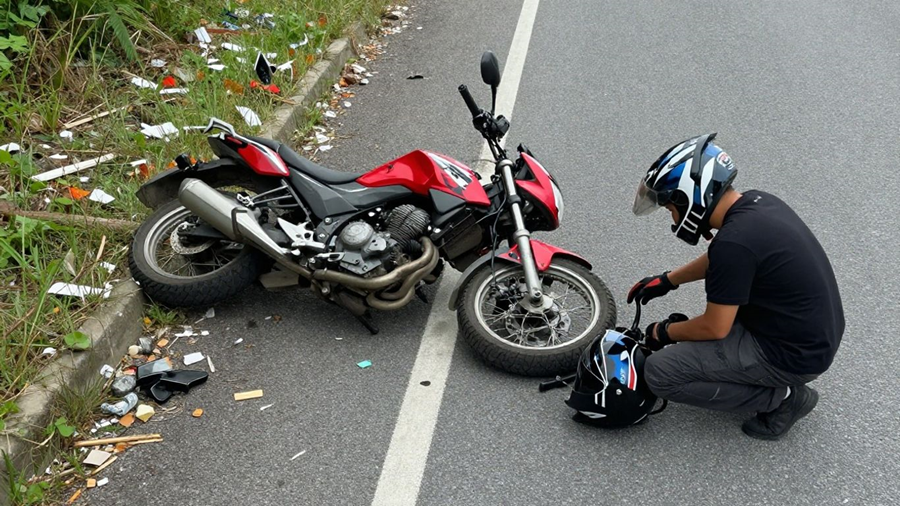
After the immediate safety and medical checks, your next big job is to become a detective at the scene. This is where you start building the foundation for your case. Think of it as gathering clues – the more you have, the clearer the picture becomes.
Gather Information from All Parties Involved
When you’re getting information from the other driver(s) involved, don’t only write down names and numbers. Get as much as you can. This includes:
- Full names and contact details (phone, address).
- Each vehicle’s insurance company name and policy number.
- So, the license plate numbers and driver’s license numbers
- All vehicles involved: Make, model, color.
- The direction the two of the vehicles were heading.
It can also be helpful to write down the license plate numbers of vehicles that may have seen what happened but left. You never know when that might come in handy.
Note Down Witness Details
Eyewitnesses can be incredibly important. If someone saw what happened, try to get their contact information. Ask them:
Their name and phone number.
What they witnessed, in their own words.
“You cannot wait until they remember everything someday. If they are happy to help, ask them if they would be comfortable making a brief written statement on the spot. Even if they aren’t able to stay, getting their contact information will allow you or your attorney to follow up with them.
The information you gather on site is your initial line of evidence. Be patient, be thorough, and don’t make any assumptions. Even tiny details can matter enormously down the line when it’s time to figure out who was at fault.
Report the Accident to the Police
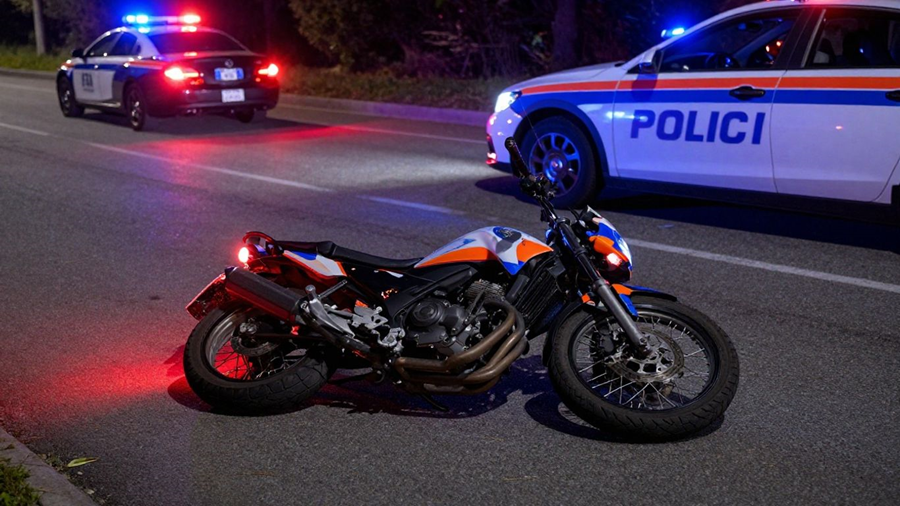
When aid is rendered, they must contact the police. Getting the accident reported creates an official record, which is immensely helpful later on. It is a good idea to get law enforcement involved even if the accident seems minor. They’ll show up, get the information from all participants, and record basic facts about what occurred.
As the police arrive, they’ll probably ask for details on the crash. Be straight with people and stay in your lane. They’re not there to assign blame in that moment, but to have a clear understanding of the incident.
They will prepare a police report, which is an important document. Get the report number or learn how you can get a copy later. That report typically contains information such as the date, time, and location of the crash, who was involved, and sometimes initial findings about fault.
Here’s what to expect and how to respond:
- Stay at the scene: Unless you can help, it is generally illegal to leave until police arrive, or you’ve exchanged information with the other parties if police aren’t coming.
- Offer accurate information: Hand the officers your driver’s license, registration, and insurance. Answer their questions truthfully.
- Do not say you are at fault: Even if you’re certain that you share some blame, don’t admit it. Let the investigation and your legal team sort out fault later.
- Request a report: Ask the officer how to obtain a copy of the official police report.
That official documentation is more than a document; it is an objective description of what occurred. It can be extremely helpful when you’re working with the insurance companies or if you choose to take legal action.
A police report can help make filing claims and proving your case vastly easier. The broader implications of connecting with a personal injury attorney are that you can have a clearer understanding of what to do legally after an accident.
Understand Your Legal Rights and Options
After a motorcycle accident, things can get confusing fast. You’re probably dealing with injuries, maybe some damage to your bike, and the stress of figuring out what comes next. It’s a lot to handle, and knowing your rights is the first step to getting back on track.
The Importance of Legal Representation
Nobody wants to be thinking about lawyers and all that, but sometimes you just really need one. Especially if your accident was serious or the other driver was obviously at fault. An attorney experienced in motorcycle accidents can assess how much your case is worth.
- They know how insurance works and can work with them so that you don’t have to.
- Do not speak to the other driver’s insurance company without counsel. They might be trying to get you to say something, so they won’t have to pay that much.
- A lawyer can help you receive compensation for things like medical bills, lost pay, and pain and suffering.
- They take care of all the paperwork and legalities so that you can focus on recovering.
It’s not about being aggressive; it’s really ensuring you’re treated fairly. Many lawyers will give you a free first meeting, so at least you can see what someone thinks of your situation without having to commit.
The process of recovering from a motorcycle crash goes beyond just the physical aspects. It is to protect your legal rights and to make sure you get compensation for all of your losses. With the legal landscape, getting the right guidance can massively change your outcome.
Dealing with Insurance Companies
Okay, so you’ve had a motorcycle accident. It’s a mess, and now you’ve got to deal with insurance companies. This can be a really tricky part of the whole ordeal, and honestly, it’s where a lot of people make mistakes that can cost them.
What to Say (and Not Say) to Insurers
One important thing is that you must notify your insurance company of the accident. Most policies will require you to do so fairly quickly after a crash, regardless of who you think was to blame. That’s simply part of the deal that you signed up for. When you discuss with them, keep it to the basic facts: when and where this happened, who was involved, and what happened in simple terms. Don’t tell a long story or pretend to guess what caused it. The less you say, the more it will help you, particularly at first.
Now, here’s where we need to be extra cautious with the other driver’s insurance company. This is fundamentally not their job: Their main priority is protecting their company, not you. They may sound friendly, perhaps even give you a quick settlement offer, but that offer is likely far lower than what your claim would end up being worth. They’re looking for anything you say that gives them a basis to argue that it’s your fault or that your injuries aren’t too bad. So, what should you do?
- Stick to the facts: Only the who, what, when, and where. No opinions, no guesses.
- Don’t accept blame: Even if you feel that, in some small way, you were to blame for the damage, don’t say it. Let the investigation sort that out.
- Avoid details about the injuries: Wait until you’ve seen a doctor and know what’s actually happening. Injuries can worsen, and you don’t want to be stuck accepting a lowball offer because you underestimated things.
- Don’t sign anything without getting advice: Don’t sign release forms or agree to a settlement without speaking first with an attorney.
Insurance adjusters are trained to gather information in a way which protects their business. They may ask leading questions or sound sympathetic to get you to say something that might damage your case. You’re best served by keeping your conversations short and matter-of-fact, and if you have any doubts about what to say or not to say, just say you need to consult your lawyer.”
It’s also helpful to have a written record of all your communications. Take a note of who you spoke to, when, and what was discussed. That can be a huge help down the line. However, if the collision was with a commercial vehicle, you might need to contact truck accident lawyers because these cases are notoriously more complex.
Preserve Evidence and Keep Records
Once the initial chaos of an accident has passed, it is essential to begin collecting and preserving everything about what transpired. It’s like putting together a case file on yourself.” Every tiny detail counts later on when you are trying to get things fixed with insurance or if legal action is needed.
Begin by ensuring you possess copies of the police report. The DDD is a formal record of an event. You typically obtain this information from a local law enforcement agency. If you took photos or videos at the scene, it’s a good idea to keep those too. This will include any damage to your motorcycle and the other vehicle(s), road conditions, or visible injuries. And don’t forget the medical records, too.” Retain all doctors’ notes, bills, and receipts for treatments and medications. That’s how you demonstrate the full extent of your injuries and their related costs.
Here’s a handy guide to what to save:
- Police Report: What the cops call a rap sheet.
- Witness Records: Name and contact information of witnesses to the accident.
- Medical Records: any documentation from doctors, hospitals, and therapy.
- Bills and Receipts: Documentation of costs for medical care, repairs, and lost income.
- Witness Information: Names and contact information for anyone who witnessed the accident.
It’s also a good idea to write your own version of the accident while it’s still fresh in your memory. Clearly state the date, time, place, and how you believe events unfolded. This personal log can serve as a useful reference. Take note that if you are very prepared with your evidence, the easier and more solid your stand will be when it comes to responding to one.
Great record-keeping goes well beyond the accident itself. It’s also about monitoring your recovery. Paper, pencil, and pen what you are feeling day-by-day, any limits, and how that’s affecting your life. Together with official documentation, this personal narrative means the surrounding picture of the aftermath is complete.
Focus on Recovery and Follow Medical Advice
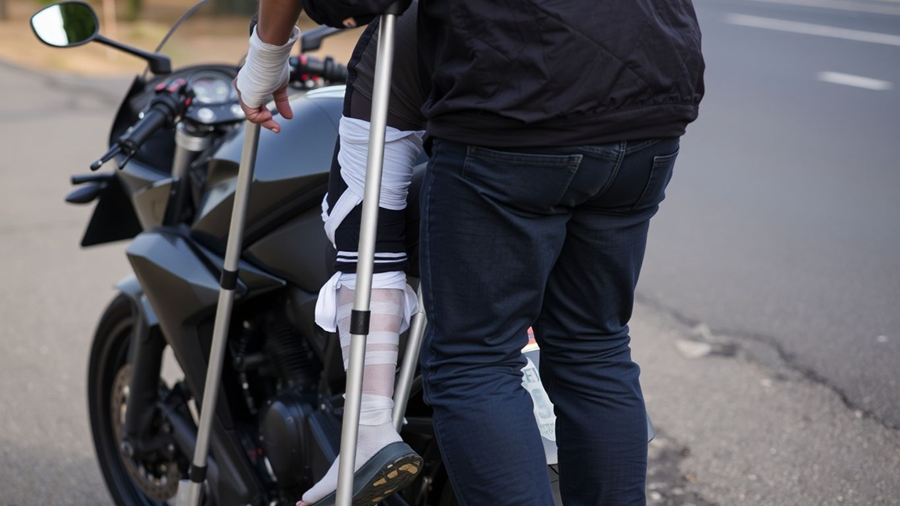
Once on the other side of the dust cloud created by an accident, your number one concern is yourself. No, this part is no joke. Even if you feel fine at first, some injuries don’t manifest themselves immediately. Behind-the-scenes, or a sneaky concussion. You really should see a doctor, like, yesterday.
Once you see the doctor, be completely honest about everything. They want to hear how the accident occurred and all the details about every single little ache or pain you have. Now is not the time to be tough or play it cool. You need to ensure that your medical records directly connect your injuries to the crash. That’s a big deal for any future claims.
Here’s what you really need to know:
- Attend every single doctor’s appointment. No missing a session, no rescheduling unless there’s a true emergency.
- Follow all prescribed medications as directed. Once you feel a little bit better, don’t just stop.
- Follow through with any prescribed physical therapy or rehabilitation. This can be crucial to returning to normal.
- Adhere to any activity limitations that the doctor imposes. You can overdo it right out of the gate and end up regressing.
Your medical recovery isn’t purely about feeling better, it’s also about establishing a sound record of your injuries. This documentation is what comes to your aid later, to prove the extent of damage you have gone through. Hunting evidence, just not for crimes, but for your health. Be sure to obtain copies of all your medical records and bills. This stuff is gold. If you don’t know what your insurance covers or how to handle medical bills, a conversation with a legal professional about your legal rights may be beneficial.
Never underestimate the impact of continuity of care. It’s the bedrock upon which both your physical healing and the strength of your potential claim are built. Stay in touch with your doctor, and stay the course to recovery.
When to File a Motorcycle Accident Claim
So, you were in a motorcycle crash. With any luck, you’ve sought medical help and taken a little information from these initial steps. The next big question is, when should you actually begin the formal process of filing a claim? It’s not necessarily a simple yes or no, and frankly, it depends quite a bit on your circumstances.
In general, if you’ve been injured in a motorcycle accident, you should file your claim as soon as possible. There are deadlines, known as statutes of limitations, that establish how long you have to file a lawsuit. This differs from place to place; however, in many instances, it is two years away from the date of the accident. If you miss this deadline, you probably forfeit your right to recover compensation. That process is best begun sooner rather than later.
Here’s a breakdown of indicators that it’s generally time to move on:
- Severe Injuries: If you’re suffering from anything besides minor scrapes, such as broken bones, head injuries, or internal damage, you’ll want to file. Such injuries often result in high medical bills and time out of work, both of which are major components of a claim.
- Disputed Fault: If the other party is blaming you, or if there’s simply confusion about who caused the wreck in general, a formal claim helps clarify matters. This is where you will rely on the evidence you’ve gathered.
- Property Damage: In addition to your injuries, if your motorcycle or other personal property was damaged, you will need to file for the cost of repairs or replacement.
- Insurance Company Gets Involved: When the other party’s insurance company begins calls or if your own insurance company gets involved, that is a sign to start moving with your claim. Keep in mind that these people are not your friends.
If you are dealing with insurance adjusters, they can be tricky. They may seem all friendly, but their job is to save money for the company. Everything you say is used against you, and it’s general advice that a lawyer should be present before you give details. Only report aspects you can know to be true.
Wrapping Things Up
Look, nobody wants to end up in a motorcycle accident. It’s a rough situation, plain and simple. But if it happens, remember those steps we talked about. Taking care of yourself first, getting the details down, seeing a doctor, and then talking to someone who knows the legal side of things, it all adds up.
It’s not about being tricky; it’s about making sure you get what you need to recover and move on. Don’t go it alone if things get complicated. Getting some help from a lawyer who gets motorcycle stuff can make a huge difference in getting things sorted out fairly.
Frequently Asked Questions
What’s the very first thing I should do after a motorcycle crash?
Your top priority is safety. If possible, get yourself and your bike out of the way of traffic and to a safer location. Then right away, call 911 for help and to report the accident. Remember to assess yourself and others for injuries, even if it does not seem too serious initially.
Should I talk to the other driver about who was at fault?
Do not immediately take the blame or apologize after an accident. Even saying ‘I’m sorry’ sometimes can be seen as admitting you did something wrong. Keep it to just name and insurance information. Let the police and insurance companies determine fault.
How important is it to see a doctor after a motorcycle accident?
If you feel fine, seeing a doctor is very important. Adrenaline can mask injuries, and some issues may not appear immediately. Immediate examination is not only good for your health, but also creates official records proving that the injuries were from an accident.
What kind of information should I collect at the crash scene?
If it’s safe, photograph everything: the bikes, the damage, any skid marks, as well as road conditions. Make sure to get the other driver’s name, contact information, and insurance info. Also, try to obtain the names and phone numbers of anyone who witnessed what occurred.
Do I need to tell my insurance company about the accident?
Yes, you must report the crash to your insurance company. But be careful what you say. Focus on the basic, factual events, what happened, and when. Especially before making a detailed statement to the other driver’s insurance company, it’s often a good idea to speak with a lawyer.
When should I think about getting a lawyer after a motorcycle accident?
If your injuries are severe, if there are significant medical bills, or if you’re struggling with the insurance companies, it’s worthwhile to speak with an attorney. Most provide a free initial meeting to discuss your situation and explain your options.