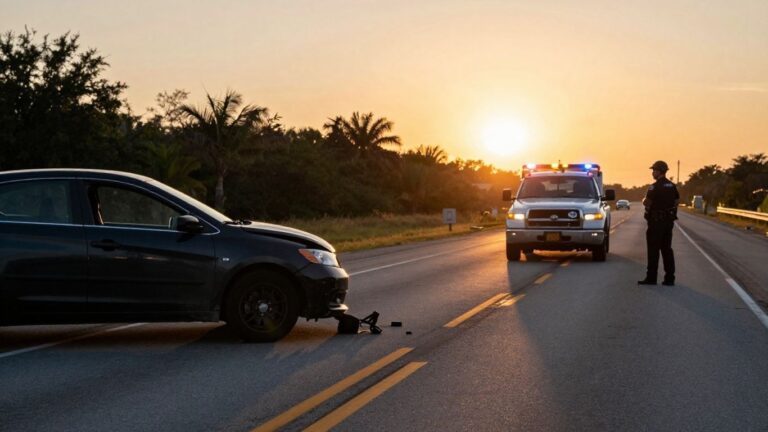

Claim Against Uninsured Drivers: Don’t Let Them Win
Getting hit by an uninsured driver feels like a double betrayal — someone else caused the accident, and now you're the one staring at medical bills with no clear path to recovery. But here's what most victims don't realize: no insurance on their end does not mean no compensation on yours. Between your own uninsured motorist coverage, a direct lawsuit against the driver, and other legal options most people overlook, you likely have more paths forward than the insurance company wants you to know. This guide breaks down exactly what a claim against uninsured drivers looks like, what it's worth, and how to protect yourself starting today.Key Takeaways
A collision with an uninsured driver can leave me dealing with medical bills, vehicle damage, and difficult insurance questions at once. The steps I take immediately can affect what evidence and coverage remain available.
- I should call the police, even when the other driver has no insurance.
- My uninsured motorist coverage may help with eligible losses.
- Medical care and consistent documentation strengthen the claim record.
- Suing the driver directly may be possible but does not guarantee payment.
- A lawyer can help me evaluate deadlines, coverage, and settlement papers.
What Happens When an Uninsured Driver Hits You?
If there is no insurance coverage for the driver who caused the accident, it does not necessarily mean that I have no way out. The insurance policy, the nature of the accident itself, and the law regulating accidents in the state determine my options.
If you have just been involved in a collision, reviewing what to do after a car accident can help you understand the immediate steps to take before dealing with an uninsured motorist claim.
There will probably be the following problems: repair costs, towing, rental car, emergency medical assistance, further consultations, loss of earnings, and the appearance of pain symptoms in the next few days.
The driver could propose private payment; however, his words cannot be enforced. I should refrain from discussion and collect only the information.
The first and foremost thing to do is to find out whether my insurance policy includes uninsured motorists’ protection and what the terms of its application are. The conditions vary from state to state and may depend on policy wording.
What Is an Uninsured Motorist Claim?
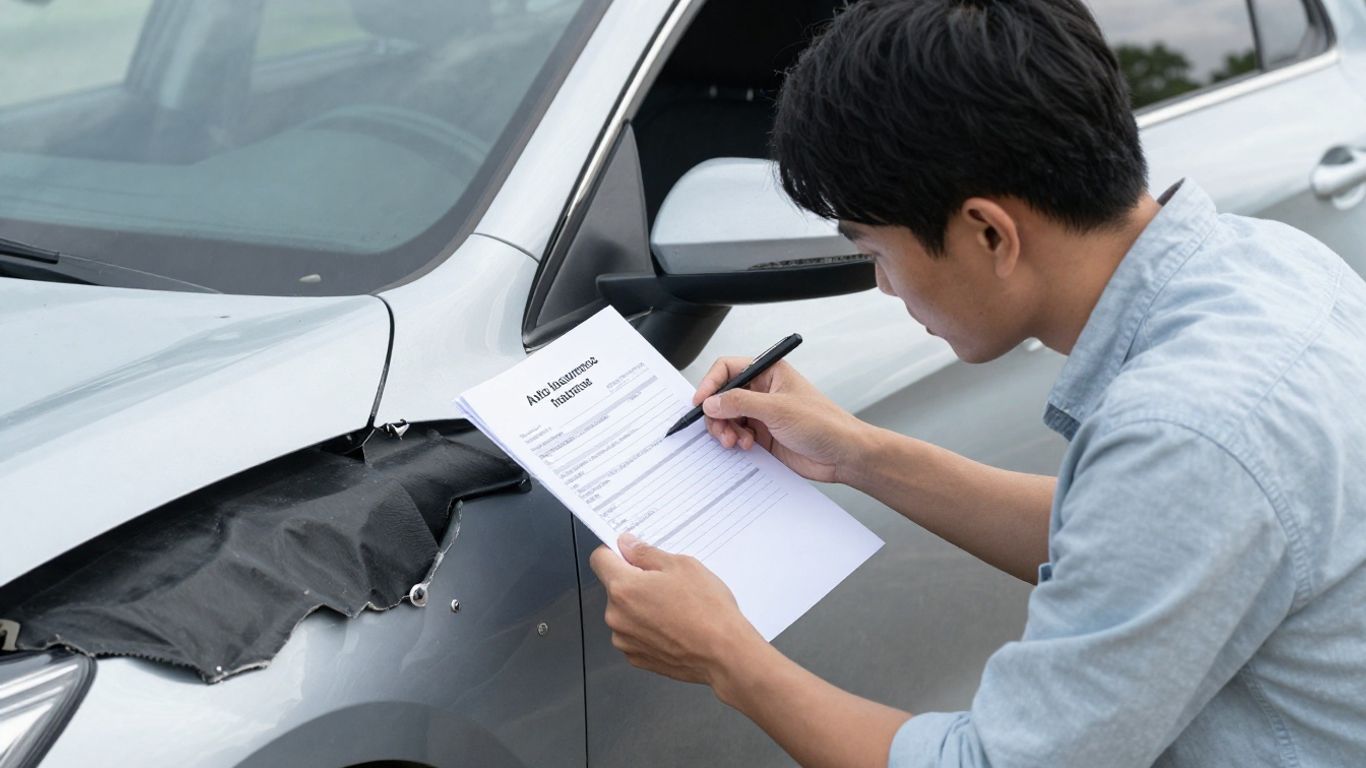
An uninsured motorist claim is basically a claim for benefits through my own car insurance policy because an at-fault driver who does not have any insurance policy causing me injury is liable for such claims.
It depends on the policy as well as on the laws of the state. It involves either bodily injury claim or property damage claim or both. This claim is not the same as making a liability claim against the driver who caused the accident.
My insurance coverage will also be relevant when the insurance company of the at-fault driver has refused to pay for the claim or when the driver cannot be identified in case of hit and run accident.
I must refer to the declarations page and policy provision rather than believing the explanation of others. Here is a guide about uninsured motorist coverage.
The insurance company will continue to investigate issues related to fault, amount of damage, policy limitations, notice and exceptions.
I need to submit an explanation that makes sense and is backed up by crash report, pictures, medical documents, bills, and wage details. This is important since delays could raise questions regarding both liability and link between accident and my injuries.
Can You Sue an Uninsured Driver Directly?
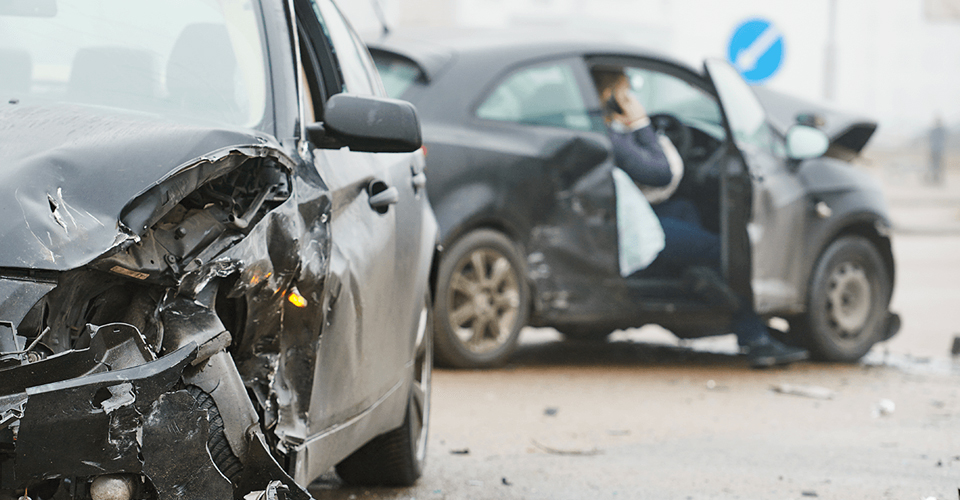
I can also file a suit for my personal injuries and property damages against the driver responsible for the accident. Whether I have a right to sue, my deadline, and possible compensations would depend on state laws and specific circumstances of the accident.
However, filing a lawsuit is different from getting paid, and the uninsured might not have anything to pay even if the court orders him/her to do that.
It is still useful in some cases, especially if there are assets of the driver that can be used to satisfy my claims or if some other insurance could cover the loss.
This may also be required to preserve my rights during review of my claim for insurance payments. To make a decision, I need to find out all those responsible for the accident and possible restrictions of my insurance.
I should not assume that a decision will put me back on track financially. Collection will take time, and legal costs, exemptions, bankruptcy, or changed employment status may impact how the situation plays out.
A general overview of recovering costs related to medical treatment, damage to a car, and lost wages in an accident caused by an uninsured driver may provide some guidance, but I require state-specific guidance.
How to File a Claim Against an Uninsured Driver Step by Step
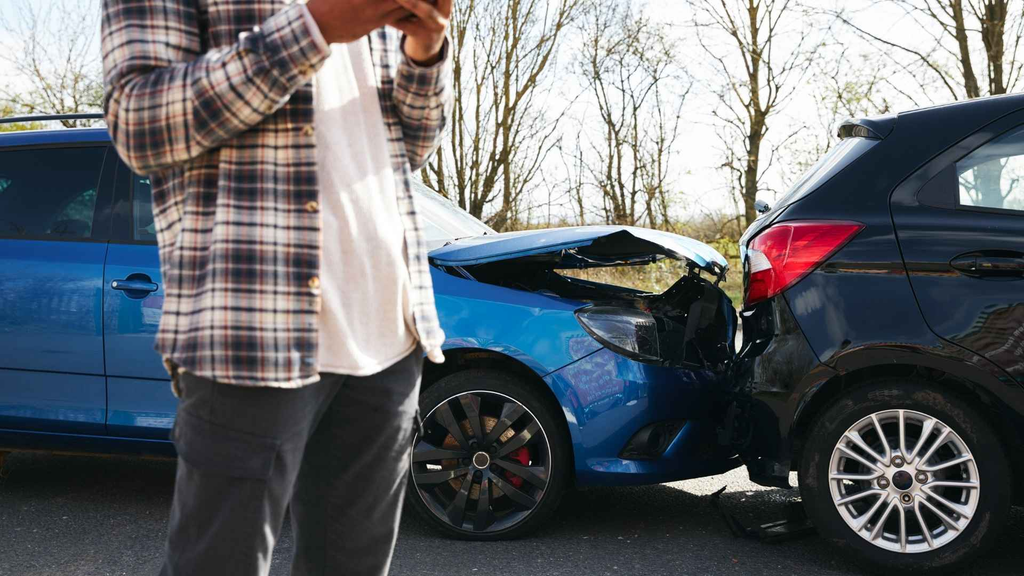
To safeguard my position, I can take care of the situation in an orderly manner. The list below is not an alternative to my policy reading and seeking legal advice but is aimed at creating a reliable record. I need to act quickly without making assumptions about what I don’t know.
Step 1 — Call the Police and Get an Official Accident Report
I am supposed to contact the authorities and get an official accident report, especially in the case of injury, vehicle damage, or the absence of insurance from the other party.
I need to give a truthful statement and find out how I can get the accident report number and final report. My policy may require police reporting promptly, so I have to make sure.
Step 2 — Gather Evidence Before Leaving the Scene
If it is possible safely, I need to take pictures of the vehicles, road surface, traffic control devices, visible injuries, debris, and general surroundings.
I am to get the name, contact information, license plate number, car information, and offered insurance information of the other driver without becoming hostile. Witness names and contact information are of great value when there is a dispute regarding fault.
A short scene checklist keeps me from relying on memory later:
- Photograph all sides of the vehicles and the surrounding roadway.
- Save witness contact details and the police report number.
- Keep texts, recordings, photographs, and notes in one secure folder.
- Write down what I felt and observed before the details fade.
Afterward, I should back up the files and avoid posting accident details publicly. Small details, such as a damaged sign or a vehicle’s direction of travel, can become relevant when the accounts differ.
Step 3 — Notify Your Own Insurance Company Immediately
I must contact my insurance company as soon as possible and inform them that I may file a claim against an uninsured motorist.
The timing of an insurance investigation can vary depending on the circumstances, the available evidence, and the policy requirements. If you are unsure about the process, you can also learn how long an insurance claim takes and what factors may affect the timeline.
The insurance company will conduct an investigation into the issue of fault and may request recorded statements and/or medical authorizations. Understanding the role of an insurance claims adjuster can help you know what to expect during this process and why the insurer may request certain information.
I will respond truthfully to their requests, retain copies of any paperwork I send, and ask questions if something is not clear. The procedure is dictated by the terms of my policy, not an internet checklist.
Step 4 — Seek Medical Attention the Same Day
I should see a doctor on the day that I experience pain, any signs of possible head trauma, restricted mobility, or other symptoms arising from the accident.
Injuries sometimes appear at a later point in time and it is important to obtain a timely diagnosis in order to create a medical report contemporaneous with the accident. I should inform the doctor of my accident, my symptoms, prior injuries, and changes in the way that I feel.
I should comply with treatment instructions as well as any follow up appointments that I am asked to make. If I am unable to pay for services or unsure of where to begin, I can contact an attorney or physician to ask what services are available without delay.
Step 5 — Document Every Expense and Symptom From Day One
I should maintain an ongoing list of expenditures and symptoms rather than relying on recollection after many months.
This list may be broken down into such things as medical treatment, prescriptions, travel, repairs, rent, lost income, home help, loss of sleep, and modifications in routine activity. Invoices and calendars can better reflect practical consequences than any summary of them all.
The headings below will enable me to distinguish evidence which is relevant to various parts of the case:
| Loss or issue | Useful supporting records | Why it matters |
|---|---|---|
| Medical treatment | Bills, records, prescriptions | Shows care received and charges incurred |
| Lost income | Pay records, employer information | Connects the collision to missed earnings |
| Vehicle damage | Photos, estimates, invoices | Establishes the repair or replacement request |
| Ongoing symptoms | Daily notes, follow-up records | Shows duration and effect on daily life |
If the damage is extensive, the vehicle may be considered a total loss rather than repaired. In that situation, understanding what it means when a car is totaled can help you understand the difference between repair costs and the vehicle’s value.
Step 6 — Contact a Personal Injury Attorney Before Signing Anything

Prior to signing any release, recorded statement, settlement agreement, or medical authorization beyond what is needed, I should consider contacting a personal injury lawyer.
The lawyer will be able to evaluate the fault evidence, the insurance policy, time limitations, available coverage, and whether a lawsuit would be viable. Using LawyerHelpNow, I can arrange for a free case evaluation and even get a referral for a car accident case.
An initial meeting will not obligate me to accept an offer or initiate a lawsuit. I need to take along my policy, the police report, photos, medical reports, bills, wage reports, and communications from my insurance company. I should also find out about fee arrangements and who will make some of the decisions.
The sooner I seek a legal opinion, the less chance that I will miss a deadline or inadvertently give up my claim before the full consequences of the injury are known. I should continue cooperating with my insurance company and following medical recommendations while I consider my legal options.
How Much Is a Claim Against an Uninsured Driver Worth?
It cannot be said with certainty that a flat value exists for an uninsured claim. It is subject to many factors including the severity and duration of the injuries, cost of medical care, loss of income, automobile damage, liability, and available policy limits among others.
For additional context on the factors that can influence compensation after a collision, see our guide on how much a car accident settlement is worth.
The laws in the state in question can also influence the type of damages that would be allowed and the determination of liability.
The amount payable through the uninsured motorists’ benefits in my policy could also be restricted by the limitations contained in my policy.
Deductibles and exclusions might exist. In the case where I have property damage, the estimation of my claim will be based on the cost of repairs, value of the car if it has been totaled, towing and transportation among other factors.
Settlement values vary substantially based on the circumstances of each case, and broad averages should not be treated as a prediction of an individual claim. You can learn more about average personal injury settlement amounts and the factors that can affect them.
Hit and Run Accidents — Filing a Claim When the Driver Flees
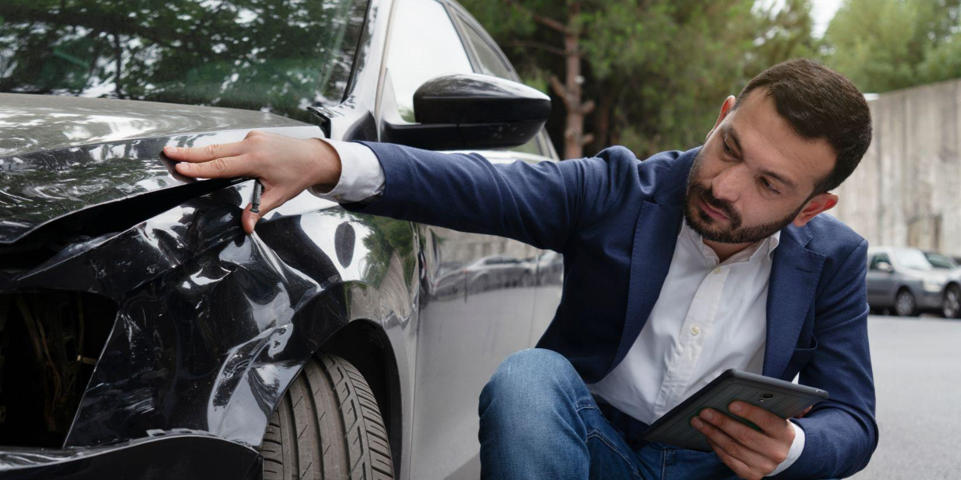
Hit-and-run cases are different from regular cases involving uninsured drivers because the guilty party is often not known. I need to notify the police, give details about the hit and run location and the direction in which the guilty vehicle went. I must not pursue the guilty vehicle.
Uninsured motorist coverage may help to pay for the damage caused in the hit-and-run case, but the insurance terms and/or state regulations may have conditions regarding the time of notification, confirmation of the incident, or the degree of contact that had taken place. It is necessary to take photos of the damage and to ask witnesses to wait if possible.
It would be wise to seek physical proof such as businesses nearby, traffic cameras, dashboard camera videos, paint transfer, broken car parts, and witness statements.
It is important to keep the original file and inform the police and the insurance company about it without making assumptions to fill in any information gaps. If the physical proof is scant, then an attorney can help in deciding what to do next.
Frequently Asked Questions
What does uninsured motorist coverage usually address?
Depending on the policy and state, it may address bodily injury, vehicle damage, or both when an at-fault driver has no applicable insurance. The policy limits, deductible, exclusions, and notice requirements determine what is actually available.
Do I need to call the police after an uninsured-driver crash?
I should call the police, particularly when there are injuries, significant damage, or a hit and run. Prompt reporting may also be required by my insurance policy and can create an official record of the collision.
Can I recover money directly from the uninsured driver?
I may be able to sue the driver who caused the crash, but a judgment does not guarantee collection. The driver’s income, property, bankruptcy status, and state-law protections can affect whether recovery is practical.
What if the driver had insurance but the insurer denies coverage?
My uninsured motorist coverage may be relevant in some circumstances, but the answer depends on the policy, the reason for denial, and state law. I should request the denial in writing and notify my own insurer promptly.
How long do I have to file a claim?
There may be separate deadlines for notifying the insurer, submitting an uninsured motorist claim, and filing a lawsuit. These deadlines vary, so I should review the policy and speak with a lawyer as soon as possible.
Should I accept an early settlement offer?
I should not sign a release before I understand the full extent of my injuries, available coverage, and future expenses. Once signed, a release may prevent me from seeking additional compensation for the same accident.
What evidence helps prove an uninsured-driver claim?
The police report, photographs, witness information, medical records, bills, wage documents, repair estimates, and symptom notes can all help. The strongest file is usually consistent, timely, and tied clearly to the collision.
Find the Right Legal Help
When I need help evaluating an accident claim, LawyerHelpNow provides a way to find a car accident lawyer and request a free case evaluation. I can get a free consultation to discuss my circumstances and possible next steps.