

Auto Accident Settlement: How Much Can You Get and What Determines Your Claim?
After a car accident, one of the first questions victims ask is: “How much is my settlement worth?” The honest answer is — it depends on far more than just your medical bills. Insurance companies use sophisticated software and trained adjusters to minimize what they pay. Understanding how auto accident settlements are calculated, what damages you can recover, and where insurers typically push back gives you a significant advantage before you sign anything. This guide walks you through the entire process — from the moment of the crash to the moment you receive fair compensation.
Key Takeaways
An auto accident settlement depends on the evidence, injuries, insurance coverage, and negotiations surrounding the crash. I can use the following points as a practical starting place while remembering that every claim is different.
- Settlement value is tied to the severity and documented effects of the injuries.
- Medical bills, lost income, property damage, and nonfinancial harm may all matter.
- Shared fault, weak evidence, delayed treatment, and policy limits can reduce recovery.
- A claim usually moves from evidence gathering to treatment, valuation, negotiation, and resolution.
- Legal guidance can be useful when injuries are serious, fault is disputed, or the insurer resists.
✅ Do This After an Accident
- Call police and get a report
- Seek medical attention same day
- Document everything with photos
- Save all receipts and bills
- Keep a daily pain journal
- Consult an attorney before signing
❌ Never Do This After an Accident
- Give a recorded statement to their insurer
- Accept the first settlement offer
- Post about the accident on social media
- Skip or delay medical appointments
- Sign any release without legal review
- Apologize or admit fault at the scene
What Is an Auto Accident Settlement?

The settlement of an auto accident case refers to an agreement that solves the claim related to an accident in the absence of any trial. Normally, the insurance provider settles the case by offering the settlement amount and, in turn, obtaining the release of further claims on behalf of the claimant in relation to the accident.
When discussing the value of a settlement, I first consider the overall impact of the accident instead of calculating the average. Factors such as the severity of the injury, treatment requirements, days missed from work, available insurance coverage, liability, and state laws can all affect what a car accident settlement may be worth.
In any settlement, there is a risk associated. While accepting the settlement will provide me the certainty, avoiding the expense and delay involved in the trial process, the settlement release will end my claim. Prior to accepting the settlement, I would like to know about the medical prognosis, bills and other future damages.
What Does an Auto Accident Settlement Cover?

Claim is not just limited to the initial bill after the accident. I will consider my losses that have been incurred thus far, future losses, and effects of my injuries on me personally. Following is the practical outline of the claim which comprises most of the time the following categories.
Medical Expenses
Medical bills include all the medical care from the emergency room, hospital visit, diagnostic tests, medications, physical therapy, and any follow-up visits. The type and severity of the injury can also affect the amount and duration of medical treatment. For more context, common injuries caused by car accidents can range from temporary soft-tissue injuries to more serious conditions requiring extended care.
Lost Wages and Lost Earning Capacity
Absence from work as a result of an accident is grounds for the claim for loss of earnings provided the absence was caused by the accident and there is documentation proving this. More serious injuries can affect your earning capacity in the future and cause you to do different tasks at work or to work fewer hours. Wages, statements from employers, tax documents, and medical restrictions will help prove this.
Property Damage
Damage to property refers to the cost of repairing and replacing the car and other property that was damaged in the accident. Appraisals, repair estimates, pictures, towing charges, storage costs, and rental car costs will help to determine the total. This damage is separate from personal injury damages even though they occur from the same incident.
Pain and Suffering
Pain and suffering takes into consideration the pain and distress which cannot be quantified through a monetary value. The nature of the pain and symptoms, restrictions on normal functions, inability to sleep, anxiety, and total recovery period may be taken into account. Personal journal entries could be included along with medical bills to show the effects of the injury on everyday life.
Other Accident-Related Expenses
The list could include expenses related to transportation to appointments, home help, medical devices, or any other reasonable expenses related to the accident. It would be wise to distinguish the listed expenses from regular family expenses and retain the receipts. It would make the explanation of each expenditure much simpler.
What Can Reduce an Auto Accident Settlement?
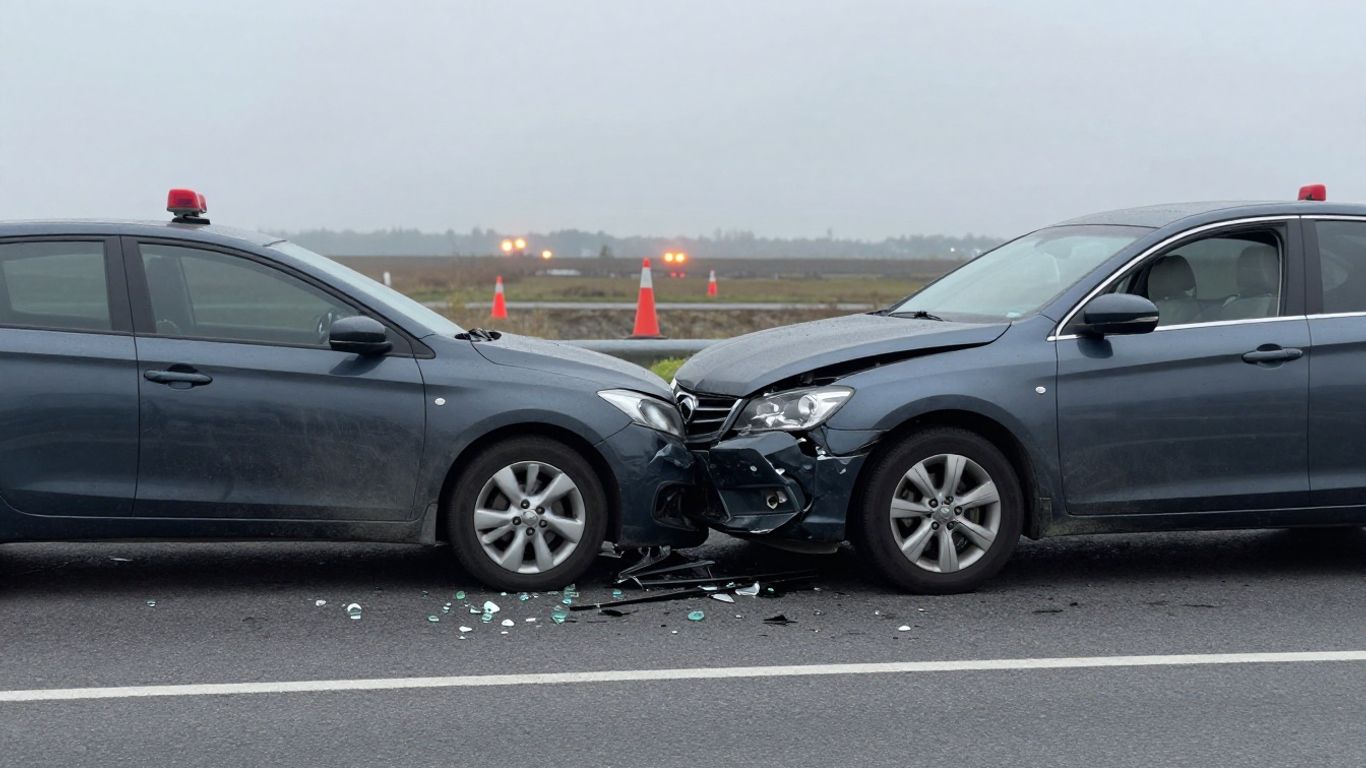
The first offer may not always be an indication of the true worth of the claim. There may be instances where the insurance company may dispute questions of fault, degree of the injury, or even causation of certain costs in light of the accident. The extent of the coverage will put a cap on any possible recovery, even in cases of high-cost injuries.
Comparative negligence can be yet another aspect to consider. In situations where there is evidence to suggest more than one person played a role in the accident, then the comparative negligence laws applicable will limit the extent of recovery possible. It would be wise not to speculate about any percentage but rather take into consideration photographs, witness testimony, road conditions, vehicle damage, and the timeline of events.
Aftermath conduct may have an effect on credibility of the client. Any gaps in medical treatment, statements made that downplay the injuries, public statements on social media sites that seem to contradict the injuries claimed, or releasing too soon will all be aspects that need to be taken into account.
How Does the Auto Accident Settlement Process Work?

Settlement is typically a series of decision-making processes and not a single, dramatic moment of negotiation. My approach is to carefully construct the argument so that there is sufficient information for me to properly value the losses in context. There is some flexibility on order, but here is a general seven-step framework.
Step 1: Gather Evidence After the Accident
Soon after the accident occurs, I will take photos of the cars involved, the roadway, any visible injuries, traffic control systems, and the surroundings if it is possible. If you are still dealing with the immediate aftermath of a crash, reviewing what to do after a car accident can help you understand the important steps to take before focusing on the settlement. The collection of evidence could contain:
- Police report/incident report and insurance data.
- Photos, videos, car damage report, repair estimate.
- Information about witnesses, including names, contacts, and testimonies.
- Medical reports, bills, work records, and my own symptom report.
It is not only necessary to create an evidence folder, but also to keep certain facts which may be forgotten later and provide additional proof for the conversation on liability issues.
Step 2: Get Medical Treatment
I would go to see a doctor immediately and adhere to the treatment advised. Some injuries become apparent over time, and leaving treatment just because the symptoms have improved for a while would complicate things both in recovery and reporting. I would inform my doctors about all my symptoms and how the accident has impacted me at work, sleeping, mobility, and other daily activities.
Step 3: Determine Liability
Liability refers to determining whom is to blame and whether there is evidence to back this up. This might include traffic laws, driving practices, road conditions, positioning of vehicles, witnesses and their statements, and the police report. An incident report and a ticket would be helpful but not conclusive.
Step 4: Calculate Your Damages
This entails calculating the actual damages incurred as well as the damages that are not easy to quantify, including future treatment or loss of earning capacity. Reviewing average personal injury settlement amounts may provide general context, but these figures should not be treated as a prediction of what an individual auto accident claim will recover. A useful chart can help in evaluating damages:
| Damage category | Useful supporting records | Valuation question |
|---|---|---|
| Medical care | Bills, records, treatment plan | What has been paid, and what care may remain? |
| Lost income | Pay stubs, employer statement | How much work was missed or changed? |
| Property loss | Estimates, photographs, receipts | What will repair, replacement, and related costs total? |
| Pain and limitations | Medical notes, journal, testimony | How has the injury changed daily life? |
The table is only a framework, not a calculator that can predict a result. I would check each figure against the records and avoid treating uncertain future costs as settled facts.
Step 5: File an Insurance Claim
The demand for settlement typically starts with a notification to the respective insurance company along with a packet of information that includes details of liability, injuries, treatments, and damages.
The insurance claims adjuster may review the accident, available coverage, documentation, and claimed losses as part of the process. I would be careful about making any recorded statement and granting medical releases, especially when I have no idea what kind of information they want. Different states have different laws and insurance systems.
I would be careful about making any recorded statement and granting medical releases, especially when I have no idea what kind of information they want. Different states have different laws and insurance systems.
The time required to resolve an insurance claim can vary depending on the circumstances, documentation, coverage, and whether liability is disputed. You can also learn more about how long an insurance claim takes when considering the timeline of the settlement process.
⚠️ Warning: What Insurance Companies Do Before You Hire a Lawyer
- Fast contact: Adjusters call within 24–48 hours before you understand your injuries or rights
- Recorded statements: They ask for a recorded statement to use your own words against you
- Early lowball offers: Quick settlement offers are made before the full extent of injuries is known
- Colossus software: Insurers use algorithms designed to minimize payouts not maximize fairness
- Medical releases: Broad medical release requests to dig for pre-existing conditions
You are not legally required to give a recorded statement to the other party’s insurer. Speaking with an attorney first costs nothing and protects everything.
Step 6: Negotiate the Settlement
Negotiations usually include a demand letter, documentation, insurance company’s answer and multiple negotiations. I would deal with low offers with facts and not with irritation. The main task here is not only to increase the figure but make it realistic.
Step 7: Accept the Settlement or Consider Litigation
The claim could be settled by having the individual sign the settlement forms if the settlement was fair and the repercussions were known. I would ensure that the individual had checked the amount being paid out and that the payment date had been agreed upon prior to the individual signing the settlement form.
Not Sure What Your Auto Accident Settlement Is Worth?
Get matched with a personal injury attorney in your area free, within 24 hours, no win no fee.
Get My Free Case Review →Do You Need an Attorney for an Auto Accident Settlement?

However, I cannot say that an attorney is necessary for every small accident. If the injuries are minor and temporary, responsibility is clear, damages are insignificant, and the company acts reasonably, some people may manage their claims alone. For situations involving relatively minor injuries, you can also consider whether you need a lawyer for a minor car accident before deciding how to proceed.
It becomes even more beneficial when dealing with serious injuries, disputes about the liability, the involvement of several vehicles, or accusations from the insurer.
The attorney could also be helpful when dealing with the problem of loss of earning capacity, pain and suffering, disputable causation of injuries, or lack of coverage. If you are considering legal representation, understanding how much a personal injury lawyer costs can also help you evaluate the potential financial implications of hiring an attorney.
At the same time, I do not need to have an idea of the future outcome right away. LawyerHelpNow can help people consider the possibility of getting legal assistance, and I can show my accident report, photos, medical documents, invoices, earning information, and insurance correspondence to the lawyer in order to start talking from the position of the facts.
How Much Are Auto Accident Settlements Worth?
Settlement amounts vary widely based on injury severity, liability, and available coverage. The ranges below reflect general figures your case may fall above or below based on its specific facts.
| Injury Type | Typical Settlement Range | Key Factors |
|---|---|---|
| Minor soft tissue / whiplash | $5,000 – $25,000 | Treatment duration, gaps in care |
| Moderate injuries (fractures, disc injuries) | $25,000 – $100,000 | Surgery required, lost wages |
| Serious injuries (TBI, spinal cord) | $100,000 – $500,000+ | Long-term care, reduced earning capacity |
| Catastrophic / wrongful death | $500,000 – $5,000,000+ | Punitive damages, multiple liable parties |
* These ranges are general estimates only and do not constitute legal advice or a prediction of your case outcome.
Get Help With Your Claim
If I want a clearer understanding of my options, I can contact LawyerHelpNow to begin looking for legal assistance and discuss the next step in my accident claim.
💬 Real Case Outcome
A LawyerHelpNow client was offered $18,000 by the insurance company just days after their auto accident. Before signing, they requested a free case review. The attorney we matched them with recovered $214,000 nearly 12 times the original offer. The difference was one free consultation.
Frequently Asked Questions
How much is an auto accident settlement worth?
There is no reliable universal amount. Value depends on injury severity, medical costs, lost income, property damage, liability, insurance coverage, and the evidence supporting the claim.
How long does an auto accident settlement take?
A straightforward claim may resolve in weeks or months, while serious injuries, disputed fault, incomplete treatment, or litigation can extend the timeline considerably.
Can I receive compensation if I was partly at fault?
Possibly. The answer depends on the law in the applicable jurisdiction and the percentage of fault assigned to each party. Any recovery may be reduced by the claimant’s share of responsibility.
Should I accept the insurance company’s first offer?
I should review the offer against my medical outlook, documented losses, insurance limits, and release language before accepting. The first offer may not account for future expenses or the full effect of the injury.
What evidence helps an accident claim?
Photographs, witness information, reports, medical records, bills, wage documentation, repair estimates, and consistent accounts of the accident can all help establish liability and damages.
Can I claim compensation for pain and suffering?
Pain and suffering may be available in some claims, depending on the jurisdiction and facts. Medical documentation and a clear account of daily limitations can help show the injury’s nonfinancial effects.
What happens after I accept a settlement?
The insurer typically processes payment according to the agreement, and the signed release generally ends claims covered by it. I should understand deductions, liens, timing, and the scope of the release beforehand.