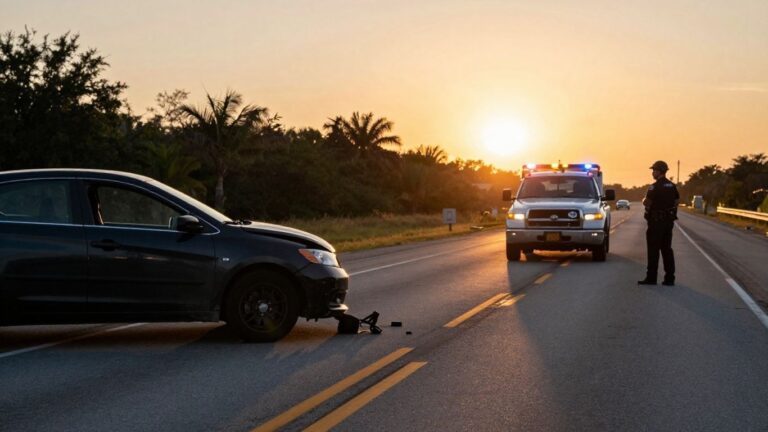

Car Insurance for Hit and Run: What Covers You Now
Key Takeaways
A hit-and-run can leave me dealing with vehicle damage, medical bills, and unanswered questions. The right immediate steps and the right policy coverage can make the claim much easier to handle.
- I should move to safety, check for injuries, and call the police.
- Photos, witness details, video, and a prompt report can support my claim.
- Collision, uninsured motorist, MedPay, and PIP coverage may apply in different ways.
- Deductibles, limits, exclusions, and state rules can change what insurance pays.
- If I am injured, I should consider legal guidance before accepting a settlement.
Wondering if your insurance actually covers this?
Every policy is different, and hit-and-run claims get denied more than people expect. Talk to a lawyer for free before you accept anything from your insurer.
Check My Case for Free →No fee unless you win · 12,400+ families helped · 100% confidential
What Is a Hit and Run Accident and Why Does It Change Everything?
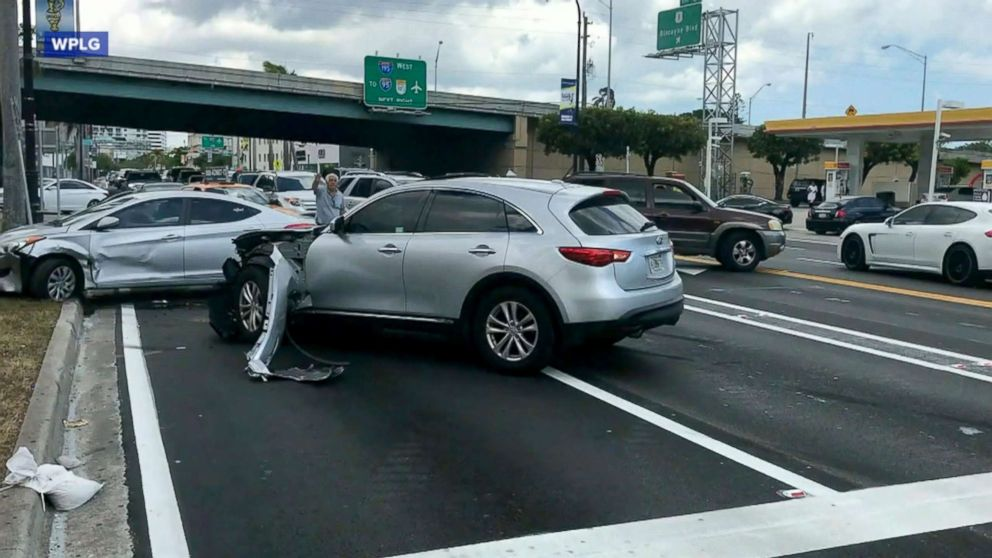
A hit-and-run accident occurs when a person involved in an accident drives off without stopping to give his or her details or render any reasonable assistance.
The occurrence could be as a result of an accident on the road, in a parking lot, or even if one vehicle runs into another that is unattended. The other driver could be unknown, uninsured, and even difficult to trace; therefore, how I go about seeking for payments differs.
Usually, I would attempt to file a claim against the liability insurance of the at-fault driver; however, after a hit & run case, I may have no choice but to file against my own insurance, more especially if I have collision insurance or uninsured motorist protection.
I need to act quickly because some jurisdictions require that uninsured motorist claims be reported at the time of the accident. The sooner I speak with a lawyer, the more evidence and legal options I preserve waiting even a few days can weaken a claim.
There are certain states and insurance companies where there are specific reporting times for making uninsured motorist claims; a delayed filing may raise doubts regarding the accident.
It is advisable for me to maintain the evidence and inform my insurance company as soon as possible; the repair of the damage cannot be the excuse to delay the filing of the claim.
What to Do When Someone Hits Your Car and Drives Away
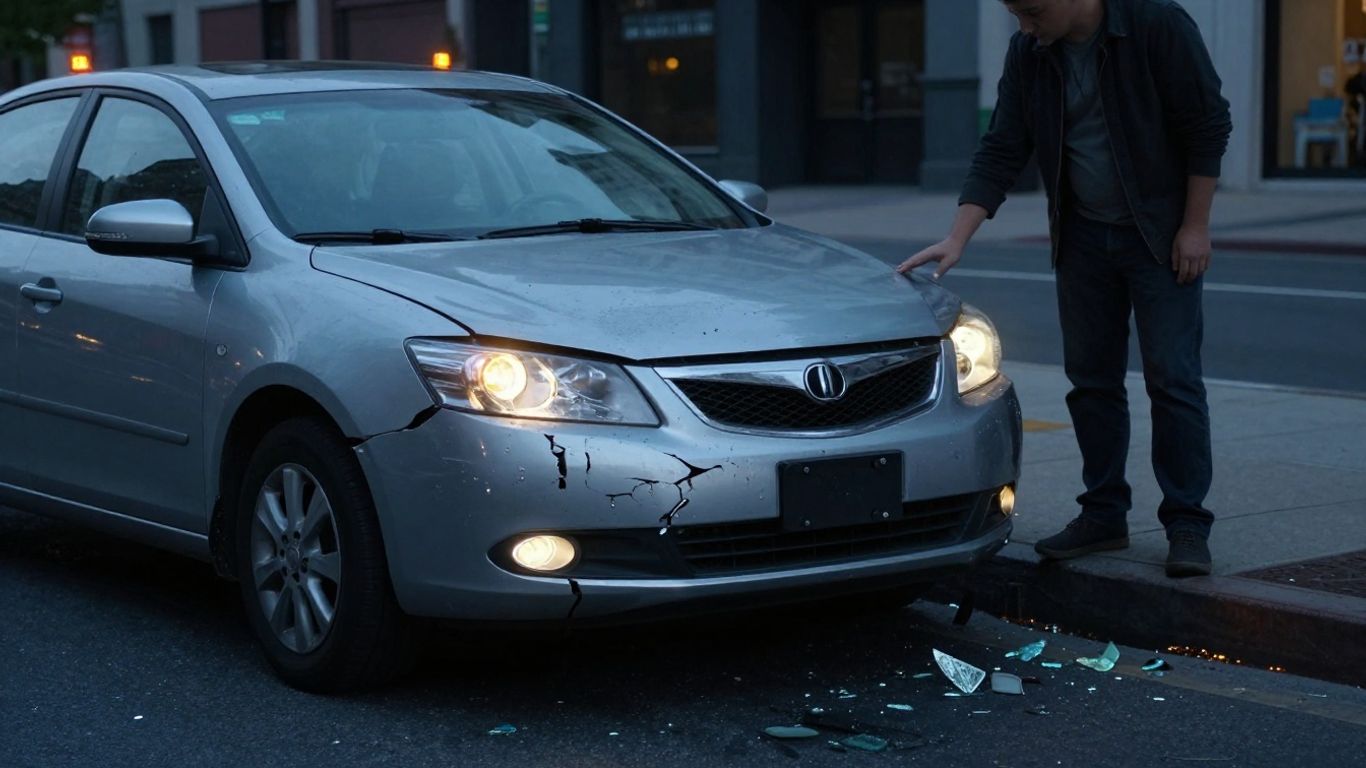
If someone runs into my car and flees from the scene, I must prioritize my safety first and avoid chasing after them. It is advisable for me to move to a safer place if the car is still functional and turn on its hazard lights, as well as contacting authorities if anyone was injured during the accident.
After making sure that I am safe, I should take down as much information as I can at the earliest possible moment while the memory is still fresh.
It could be helpful for authorities if I note down such details as the make and model of the car, the license plate characters, the direction of travel, the time and place of the incident, and any unusual damage to the cars. For a broader checklist, I can also review what to do after a car accident.
In addition, it would be reasonable to ask bystanders if they witnessed the accident and check if any traffic or residential surveillance cameras caught it.
Information from the accident site itself might come in handy, so I should take photos of the cars, debris, paint transfer, skid marks, the position of the road, and the surrounding area.
Does Car Insurance Cover Hit and Run Accidents?

Although hit and run car insurance may be able to compensate me for some of my losses, there is no one-size-fits-all solution as the outcome will depend upon the coverages I have bought, the wording of my policy, my deductible, limits, and the jurisdiction where the accident happened.
Typically, liability covers others when I am at fault for the damage; it does not pay to fix up my car because of a driver who fled.
Collision coverage would be able to reimburse my car for any damages incurred by me paying the deductible even if I am unable to locate the fleeing driver.
Uninsured motorist bodily injury coverage might be able to help with injuries sustained while uninsured motorist property damage coverage exists in certain jurisdictions under specific conditions.
I need to find out from the insurer what type of coverage it is assessing, what kind of evidence it requires, and whether there is any applicable deductible. Understanding how an insurance claims adjuster evaluates a claim can also help me know what information may be requested during the process.
Not sure what your policy actually covers?
Coverage details vary by state and insurer — a lawyer can review your situation for free and tell you where you stand.
Find Out What’s Covered →Hit and Run Insurance — Understanding Every Coverage Type

Hit-and-run insurance is not typically a single policy line item; rather, it is a matter of what lines on my automobile insurance policy cover the loss.
Damage to property and bodily injuries could both be covered separately on my policy, each with its own limit and deductible. I need to review my policy thoroughly and verify the payment sequence with the insurance company.
This chart merely provides some initial guidance, not a decision about insurance coverage. Law and the terms of the contract govern, particularly for uninsured motorist property damage and unknown vehicle claims.
These policies might intersect in reality, but I should not confuse them for being the same. The insurance company might examine fault, vehicle contact, notice timing, and the evidence backing up all these expenses. Another description of coverage for hit-and-run claims would assist me in posing those questions before I file a claim.
Uninsured Motorist Coverage — Your Primary Protection
Uninsured motorist liability for bodily injury can be used to cover medical expenses and losses caused by the accident where the liable party does not have insurance or is unidentified in case of a hit-and-run incident.
Uninsured motorist liability for property damage will also be used in my case to fix my vehicle depending on the regulations in my area.
I should inquire about the requirement of the policy to provide a report from the police within a certain period of time, evidence of damage on the vehicle, or participation in investigations.
I will also have to make a distinction between bodily injury protection and property damage protection since they are two different things which are not always available together.
Collision Coverage — How It Pays for Vehicle Damage
This insurance tends to cover the damages to my car as a result of an impact without taking into consideration whether I was at fault or not.
When a hit-and-run occurs, this might be the most viable way for my car to be fixed due to the unknown perpetrator. Normally, I will have to pay the chosen deductible and the insurer will assess the repair cost or declare the total loss of my vehicle.
There should be no major repairs done until the insurer gets the opportunity to assess the damage.
I should be able to inquire whether there are any towing or storage benefits offered and if rental transportation benefits are provided separately. There is no guarantee that the deductible will be automatically waived even though I was not the cause of the collision.
Medical Payments Coverage (MedPay) After a Hit and Run
The Medical Payments Coverage, also known as MedPay, can provide compensation for some of my medical expenses and those of any covered passengers following an accident up to the limit on my policy.
The coverage is not meant to determine fault but can help in dealing with the situation before the claim for an injury claim and an uninsured motorist claim has been settled.
I need to retain all receipts and explanations for medical treatment, prescriptions and providers in one place because there could be provisions in MedPay for coordinating payment with my health insurance coverage or others. The coverage does not automatically compensate me for every type of loss suffered by me.
Personal Injury Protection (PIP) in No-Fault States
The Personal Injury Protection can give coverage of medical and other benefits after an accident in a no-fault state, depending on the particular state law and the terms of my insurance policy. In certain states, PIP could cover such categories as medical expenses or a share of loss of income.
Even though it is a hit and run accident, that doesn’t mean that the benefits will be void from the very beginning.
I need to inform the company about the accident and file the claims according to the instructions of the policy, even though I don’t feel severe symptoms right now. If I have any doubts as for which benefits I will get first, I can consult the adjuster.
Which Coverage Should You Use First — and Why It Matters
The first type of insurance I choose will influence the deductible, right to reimbursement, claims process, and documentation. I should also understand how long an insurance claim takes so I know what to expect after submitting the required documents.
I can collect several key information points before submitting a claim:
- Declarations page and current policy number.
- Police report number and place of accident.
- Photographs, video, witnesses, repair estimate.
- Medical history, bills and symptom timeline.
This information will not be enough to get my claim approved, but it will help me to present the same information in a consistent manner. I should retain all documentation sent to insurer and write down all conversations with the insurer.
Filing the wrong claim first can cost you.
A lawyer can help you choose the right coverage order and avoid mistakes that reduce your payout.
Get Free Claim Guidance →How to File a Hit and Run Insurance Claim Step by Step

Handling a hit and run claim through insurance is better done when it is viewed as an organized document instead of being seen as only one call.
I should make the reporting fast, preserve original evidence, and maintain consistency in the facts in all of my reports. Here are some steps that I should follow with modifications made to fit my insurance policy and state laws.
The adjuster might need to inquire about more details in the case; he/she will do this several times, especially after identification of the driver or any further medical treatment. I should respond correctly without guessing and ask any time I don’t understand what he/she wants to know.
Step 1 — File a Police Report Within 24 Hours
As early as I can, especially if people have gotten hurt or if the car is no longer able to be driven, I should inform the local authorities. Some states and/or policies may have a short notice period for some uninsured motorist coverages, usually up to 24 hours in certain cases. Missing that window can mean losing coverage entirely this is exactly the kind of deadline a lawyer can help me track before it’s too late. I will need to know the case number and how to submit evidence later on.
Step 2 — Notify Your Insurance Company Immediately
I need to inform my insurance company even though I have not made up my mind whether or not I want to make a claim. I can explain the situation as it stands and avoid talking about speed, blame, or anything I did not see. I need to find out about what kinds of coverage could apply.
Step 3 — Submit All Evidence — Photos, Witness Info, Dashcam
I would have to provide images, the files from my dashcam in their original form, names and contact numbers of witnesses, and information about the cameras around the place. I have to keep the original files untouched and record the time and place where these items were obtained.
Step 4 — Seek Medical Attention and Document Every Symptom
If there is any kind of pain, dizziness, stiffness, numbness or other symptoms, then I need to get medical assistance and let the doctor know that this happened after an accident.
Sometimes an injury becomes apparent only later, so I cannot ignore symptoms simply because I did not experience them immediately. Understanding common injuries caused by car accidents in Texas can also help me recognize why medical documentation may become important after a collision.
Step 5 — Track Every Expense From Day One
It is wise to keep track of any receipts and records relating to any towing, repair, transportation, medical expenses, prescription, and other accident related expenses.
It would also be wise to keep track of any lost work or altered responsibilities where applicable, and not necessarily expect that all expenses will be reimbursed. A simple chronology can help separate what is being paid, unpaid, and under review.
Step 6 — Contact an Attorney Before Signing Anything
If there are injuries, the coverage is disputed, or I am being pressured to settle quickly, I should consider consulting an attorney before signing a release. For less serious collisions, it may also help to understand whether I need a lawyer for a minor car accident before deciding how to proceed. I could find an attorney to discuss the details and deadline issues with an attorney that deals with accident cases.
⏱ Why Timing Matters More Than You Think
Hit-and-run claims are unusually time-sensitive. Some uninsured motorist claims must be reported within 24 hours. Evidence like skid marks, witness memory, and surveillance footage disappears fast. And insurance companies often use delay as a reason to dispute a claim.
The sooner you talk to a lawyer, the more of your evidence and your legal rights stay protected.
Talk to a Lawyer Now It’s Free →What to Do After a Hit and Run Accident Involving Injuries

I should follow appropriate medical advice and keep records of symptoms, treatment, and expenses. I can also learn more about how long a personal injury case takes if the accident develops into a legal claim.
I am expected to dial emergency services as required and follow the recommendations of my doctor. It is important not to make any comments or statements in public regarding the accident because it may jeopardize my legal action. I have to report all symptoms of injuries regardless of whether they seem minor or occurred late.
Furthermore, I should document my daily routine affected by the injuries, which include loss of income, inability to travel, drug expenses, limitations while performing household duties, and appointments to the physician’s office, among others.
While they are treated differently within the policy or in my legal claim, the list can provide valuable evidence of the impact of the injury.
The website LawyerHelpNow can help find legal help for those who are in need of it thanks to the lawyer-finding resources offered by the website.
I should use such services whenever I want to consult with a lawyer regarding my injury claim before reaching agreement on it, making a recorded statement, or signing any documents.
Find out what your injury claim could be worth.
Medical bills, lost income, and pain and suffering all factor into your case value. A free case review costs nothing and puts a number on what you’re owed.
Find Out What My Claim Is Worth →No fee unless you win · 12,400+ families helped · 100% confidential
Get Help With Your Claim
When a hit-and-run injury leaves me unsure what to do next, LawyerHelpNow offers resources for finding a lawyer and requesting a free case evaluation. I can use those resources to take the next step and discuss my situation with an attorney.
Not Sure If You Have a Case? Find Out in 60 Seconds.
Answer a few short questions and we’ll help match you with a lawyer who handles cases like yours — free and no obligation.
Step 1 of 8