Uninsured Motorist Coverage: What It Is and Why You Need It
Key Takeaways
Uninsured motorist coverage can protect me when an at-fault driver cannot pay for the harm they caused.
- It may cover injuries, lost wages, and related losses after a crash with an uninsured driver.
- Property damage protection may be separate from bodily injury coverage.
- Hit-and-run crashes and denied insurance claims may qualify, depending on the policy and state law.
- Stacking can increase available limits, but it is not permitted everywhere.
- I should check my policy, report the crash promptly, and understand my state’s rules.
What Is Uninsured Motorist Coverage?
Uninsured motorists coverage is a type of auto insurance coverage that can be helpful in a situation where the at-fault driver has caused an accident but does not have liability coverage. In such a situation, rather than making a claim against the driver who caused the accident and who has no money to pay for the loss, I can make a claim under my policy.
Uninsured motorists coverage is also called UM coverage, whereas under-insured motorists’ coverage is usually meant for those drivers who do not have enough coverage limits to cover the losses.
There is no clear idea about the coverage because there will be terms and conditions of the insurance policy, coverage limits, exclusions and even state laws that determine what the insurance policy offers.
While in many cases, bodily injury coverage is separated from the property damage coverage and while in many states, one is required and another is just available, an explanation of UM coverage can help in understanding the basics.
What Does Uninsured Motorist Coverage Actually Pay For?
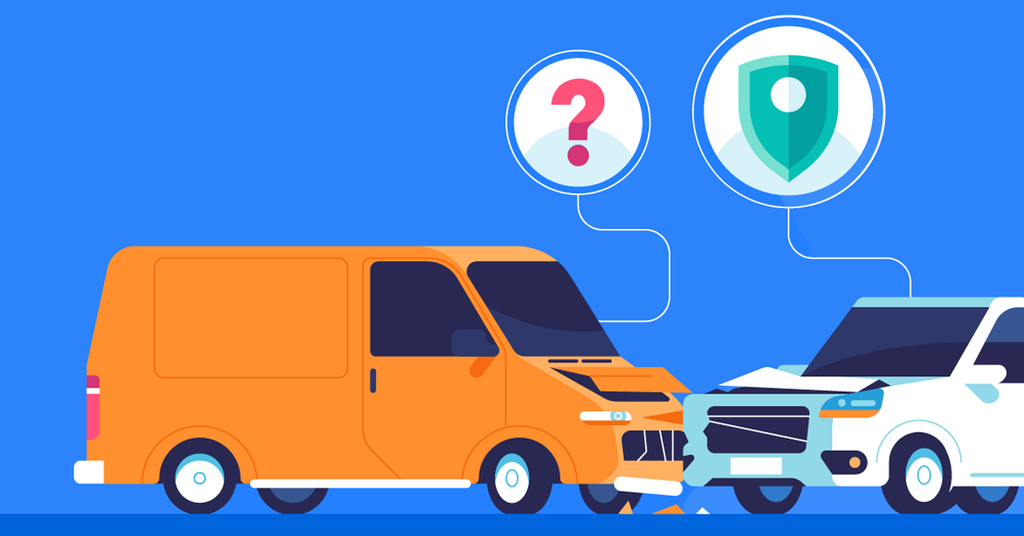
First, it will depend on what kind of UM insurance protection I bought. Coverage for bodily injuries may cover losses resulting from any bodily injury, while coverage for property damage may cover losses relating to damage sustained by my vehicle. The payment will be dependent on the amount stated in the policy.
The following shows how losses can be categorized in reality:
| Potential loss | Coverage that may apply | What to verify |
|---|---|---|
| Medical treatment | UM bodily injury | Medical-payment limits and documentation |
| Lost income | UM bodily injury | Proof of missed work and policy terms |
| Pain and suffering | UM bodily injury | State law, injury evidence, and limits |
| Vehicle repairs | UM property damage | Deductible, valuation, and coverage availability |
The above list does not guarantee any compensation at all. Rather, it serves as a guide on what inquiries I must make in order to gather more evidence for my case.
I must maintain medical bills, wage statements, estimates on repairs, pictures, and the report of the accident. For more information about how medical costs, lost wages, pain and suffering, and other losses can factor into compensation after a crash, review this guide to auto accident settlement.
Uninsured Motorist Bodily Injury vs. Property Damage Coverage
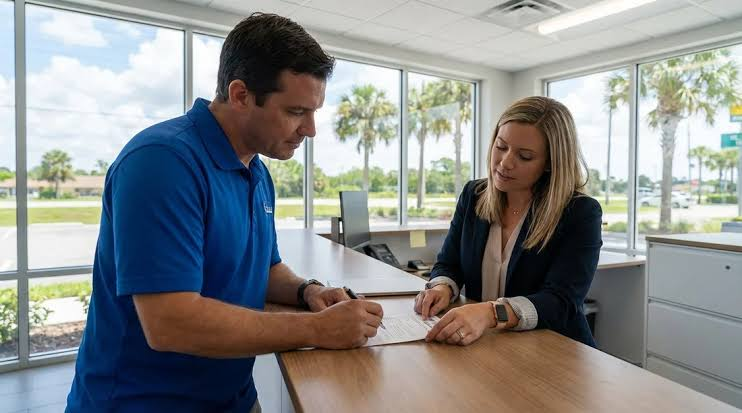
Coverage for injury to the insured caused by the negligence of the uninsured motorist, abbreviated as UMBI, protects against injuries sustained by those covered due to an accident caused by an uninsured person.
Depending on the type of coverage and law, it might cover expenses, pain and suffering, medical costs and other damages arising out of such injuries. Limits of liability set forth in the policy might be an obstacle.
Coverage for the damage to my vehicle caused by an uninsured motorist, also known as UMPD, will provide reimbursement for repairing or replacing the damaged vehicle. A deductible might be involved and some special conditions might apply, but not all states and policies treat this coverage the same, which means I cannot rely on treating it the same way as the collision coverage.
This difference will be important in evaluating the settlement offer. The amount available for vehicle damage does not necessarily compensate for bodily injuries and other losses. For more information about the factors that can affect the value of compensation after a crash, see this guide on how much a car accident settlement may be worth.
| Coverage Feature | UM Bodily Injury (UMBI) | UM Property Damage (UMPD) |
|---|---|---|
| What it covers | Injuries to you and your passengers | Damage to your vehicle and property |
| Pays for medical bills | ✔ Yes | ✘ No |
| Pays for lost wages | ✔ Yes | ✘ No |
| Pays for pain & suffering | ✔ Yes | ✘ No |
| Pays for vehicle repairs | ✘ No | ✔ Yes |
| Applies to hit and run | ✔ Yes (most states) | ✘ Varies by state |
| Covers passengers | ✔ Yes | ✘ No |
| Deductible applies | ✘ Typically none | ✔ Often $200–$300 |
| Required by law | Required in most states | Optional in most states |
| Who needs it most | Everyone especially in high uninsured driver states | Drivers without collision coverage |
* Coverage availability and requirements vary by state. Consult your policy or an attorney for state-specific rules.
Stacked vs. Non-Stacked Uninsured Motorist Coverage
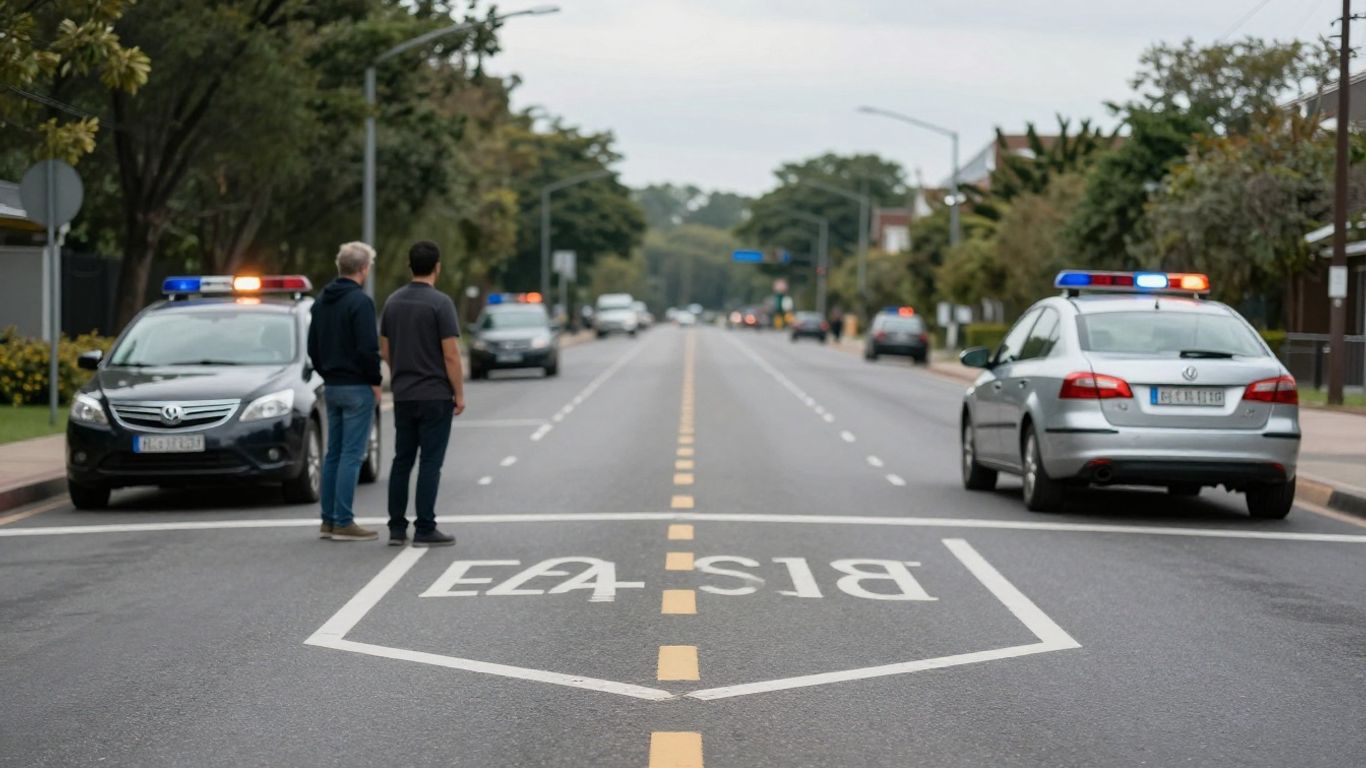
Stacking involves adding UM liability limits together from more than one eligible vehicle or policy according to state laws and the terms of the policy.
An insured who has qualifying UM insurance from different cars, for example, might in certain states add up his UM liability limits after an accident involving those cars.
The guidelines can get very complicated, and even the presence of more than one vehicle on a policy does not necessarily mean that stacking applies.
Non-stacking insurance means the limits of just one eligible policy or car are considered without adding them up. Whether the policy is a stacked or non-stacking policy will determine the amount of coverage available for serious injuries. I need to look at the declarations page, endorsements, selection forms, and any provisions regarding other insurance.
Before choosing or rejecting stacking, I would compare the added premium with the protection available under my circumstances.
I would also ask how household vehicles, policies issued to relatives, and vehicles occupied at the time of the crash are treated. The answer can change with the state, policy wording, and facts of the accident.
| Coverage Feature | ⚡ Stacked UM Coverage | 🔒 Non-Stacked UM Coverage |
|---|---|---|
| Overview | Combines limits across multiple vehicles | Limits apply per vehicle only |
| How it works | UM limits from all your insured vehicles are added together for one claim | Only the UM limit on the vehicle involved in the accident applies |
| Coverage amount | Higher Protection | Lower Protection |
| Example (2 vehicles, $50K each) | Up to $100,000 available per claim | Only $50,000 available per claim |
| Monthly premium cost | Higher Premium | Lower Premium |
| Best for serious injuries | ✔ Yes — maximizes recovery | ✘ May fall short on large claims |
| Available in all states | ✘ Not all states allow stacking | ✔ Available in all states |
| Applies to single-vehicle households | ✘ No benefit — only one policy | ✔ Standard coverage applies |
| Inter-policy stacking | Combine limits across multiple insurance policies | ✘ Not permitted |
| Intra-policy stacking | Combine limits across vehicles on one policy | ✘ Not permitted |
| States that allow stacking | FL, PA, OH, KY, ND, WI, NH and others | CA, TX, NY, GA and most other states |
| Who benefits most | Multi-vehicle households in serious accident states | Single-vehicle owners or budget-conscious drivers |
| Recommended choice | ✔ Best Value If Available | Acceptable Minimum |
With non-stacked coverage, you can only claim up to $50,000 — leaving $35,000 uncovered.
With stacked coverage, your limits combine to $100,000 fully covering your bills with $15,000 remaining.
* Stacking availability and rules vary by state and insurance provider. Consult your policy documents or a personal injury attorney to confirm what applies in your state.
When Does Uninsured Motorist Coverage Apply?
Uninsured motorist coverage typically comes into play in cases where another driver causes an accident but fails to offer liability insurance in response to the claim for damage. The other driver may be uninsured, unknown, or associated with an insurance company that refuses to pay because of coverage issues. I have to satisfy notice, evidence, cooperation, and fault criteria, among others.
The situations mentioned here are typical instances; however, this does not mean that my claim will automatically be approved. I need to report the claim promptly, gather proper documentation, and review the policy. If the accident has just occurred, reviewing what to do after a car accident can also help me understand the important steps for documenting the crash and protecting my claim.
Hit by a Driver With No Insurance
In case my accident is caused by the insured driver without any liability policy, there is a possibility for me to initiate a UM claim against my own insurance company. The information I will need to submit includes the data about the other driver, the insurance decision, the police report, the medical reports, and the proof of damages caused to my car.
Hit by a Driver Whose Insurance Denies the Claim
It is possible that the other driver appeared to have an insurance policy, but the insurer later denied the claim because of coverage or other issues. Depending on the applicable policy and state law, this may affect whether the driver is considered uninsured for UM purposes.
If an injury claim has been denied, this guide on what to do if your injury claim is denied by insurance may provide additional information about the next steps. Still, the denial of the insurance company does not automatically determine the outcome of my UM claim.
Hit and Run Accidents — Does UM Coverage Apply?
A hit-and-run driver may be treated as an uninsured motorist for purposes of a UM claim when the responsible vehicle or driver cannot be identified. However, the specific requirements depend on the policy and applicable state law. For additional information about coverage issues after these crashes, see this guide to car insurance for hit-and-run accidents.
Most insurance policies have special provisions for such cases, which can include an immediate police report, notification to the insurer, or proof of contact. I will comply with the reporting process according to the policy.
Accidents Involving Stolen Vehicles
A car accident where a stolen vehicle is involved creates different issues with respect to the owner, the driver, and the insurance coverage.
If the party responsible for the accident was uninsured, then UM can be applicable, yet the determination will depend on facts and definition of the policy. I would not speculate on the issue of coverage and ask the insurer to explain its basis.
When You Are a Pedestrian or Cyclist Hit by an Uninsured Driver
Coverage for UM bodily injuries may include an injured covered person not in a car, such as pedestrians or cyclists, if caused by the uninsured motorist.
It is up to the policy and the law in your state whether the UM coverage follows the person, a household member, or the vehicle. I would take pictures at the scene, find witnesses, and see a doctor even if there was little damage done to the vehicle.
When You Are a Passenger in Someone Else’s Vehicle
I may get coverage from the vehicle owner’s insurance, my own policy, or other coverage. Determining the order of which insurance pays is sometimes complicated, particularly with more than one insurance or household member. I will inform any insurers of relevance without missing the chance to properly review the case.
I will inform the insurer about the accident and provide the requested documentation while keeping a record of communications. Understanding the role of an insurance claims adjuster can also help me understand who may review the accident, policy coverage, and supporting documentation.
Uninsured Motorist Coverage Rules by State
State insurance requirements and claim deadlines can differ significantly. For example, Texas has its own rules concerning the statute of limitations, so anyone handling a Texas accident should verify the applicable deadline rather than relying on a general national rule.
Within my own state too, the policy I have may contain certain terms and conditions. Both uninsured motorists property damage and uninsured motorists bodily injury protection coverage are covered in the context of auto insurance in the state of Maryland; the Maryland Uninsured Motorists Coverage is a good example to illustrate the importance of police report filing and proof of liability in an accident. This particular case must not be considered a universal guide for every state.
The first thing I can do is go through my declarations page and endorsements; after this, I will get information from my state’s insurance department or agent. In case the accident results in serious injuries and a dispute arises, I might need a Free Case Evaluation to consult a lawyer on the issue. Early identification of the deadline, and collecting evidence, can prevent me from making mistakes.
Frequently Asked Questions
Is uninsured motorist coverage required in every state?
No. State requirements differ, and some states require coverage, require insurers to offer it, or allow a written rejection. I should check the law where the policy was issued and review my policy documents.
Does uninsured motorist coverage pay for my vehicle repairs?
It may, if the policy includes uninsured motorist property damage coverage and the claim meets the applicable requirements. Some policies cover only bodily injury, and deductibles or limits may apply to property damage.
Does UM coverage apply if the other driver has some insurance?
Possibly, but that situation is usually addressed by underinsured motorist coverage rather than uninsured motorist coverage. The answer depends on whether the other driver’s limits are insufficient and how the policy defines the coverage.
Can uninsured motorist coverage pay medical bills?
UM bodily injury coverage may pay covered injury-related losses, which can include medical expenses. Payment depends on fault, policy limits, applicable offsets, documentation, and state law.
What should I do after a hit-and-run crash?
I should seek medical attention when needed, contact law enforcement promptly, gather witness and scene information, and notify my insurer according to the policy. Delayed reporting can create problems if the policy imposes a notice requirement.
What does stacking mean in UM coverage?
Stacking generally means combining eligible UM limits from multiple vehicles or policies. It is allowed in some circumstances and restricted or prohibited in others, so the policy language and state law must be reviewed together.
Can I make a UM claim as a passenger?
I may be able to claim under the vehicle’s policy, my own policy, or another applicable policy. The available coverage and order of payment depend on the people involved, the policies, and the governing law.
Get Help With Your Claim
If an uninsured-driver crash left me with serious injuries or a disputed claim, I can request a free case evaluation through LawyerHelpNow to learn whether speaking with a lawyer makes sense for my situation.