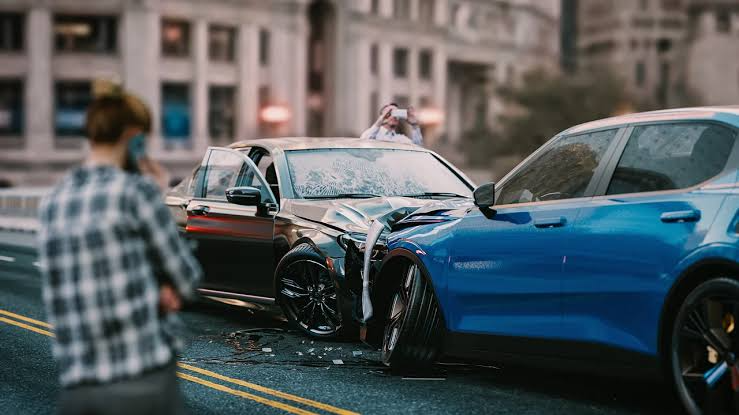


Getting into a car accident is never fun. It can be a real shock, and then you’re left wondering what to do next. Honestly, it’s easy to panic, but having a plan helps a lot.
This guide breaks down what to do after a car accident, step by step, so you can handle things without too much added stress. We’ll cover everything from making sure everyone’s okay to dealing with the paperwork later on.
Key Takeaways
- Always check for injuries first and move to a safe spot if you can. Safety is the top priority.
- Swap contact and insurance details with the other driver(s) involved. Get their info and give them yours.
- Take pictures of the scene, the vehicles, and any damage. Notes are good too, even just quick ones.
- Call the police if there are injuries or significant damage. It’s often required and helpful for reports.
- See a doctor even if you feel fine. Some injuries don’t show up right away.
Prioritize Safety: Your Immediate Actions
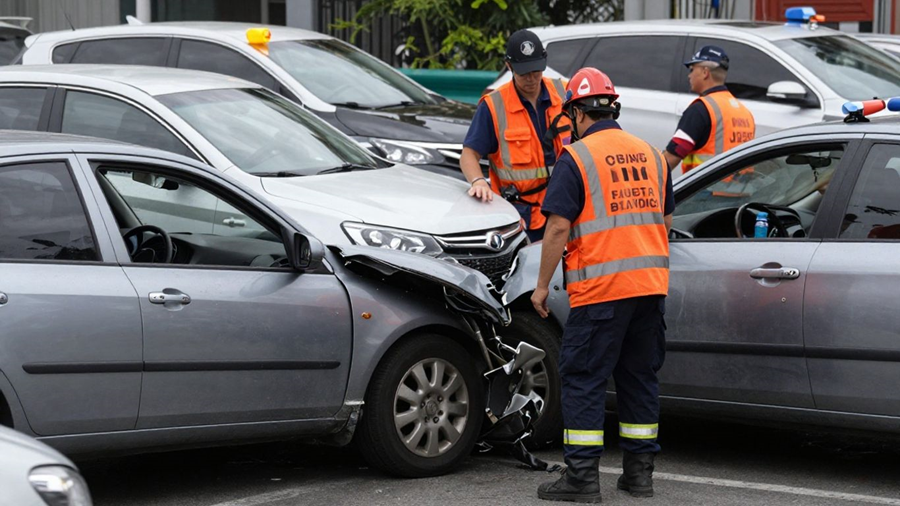
Okay, so you’ve just been in a car accident. It’s a shock, no doubt about it. Your first thought should be about safety. These are the immediate steps after collision you need to take.
Check for Injuries
First things first, take a moment to check yourself for any pain or injuries. The adrenaline can mess you up and make you feel like everything is good when it’s not.” Then, check on your passengers. Ask them if they’re okay. If it’s safe to do so, check on people from other vehicles involved carefully.
Never move anyone who looks seriously injured, especially if you think he or she has a neck injury or back injury, unless that person is in immediate danger such as from fire. If someone is injured, even if it appears mild, call 911 immediately.
Move to Safety if Possible
If your car is still operating and it’s safe to do so, pull your vehicle out of the flow of traffic. Move to the shoulder or a side street. This helps prevent further accidents. As soon as you have stopped, turn on your hazard lights.
Of immediate actions you can take after a car accident, this may be one of the most important: alerting other drivers. If you’re on a busy highway and can’t move, stay in your car with your seatbelt fastened until help comes. The most important thing at this moment is to keep you and others safe.
You should only move your vehicle if it’s not safe to stay where you are, and if you aren’t hurt badly. If in doubt, it’s better to wait and leave it for the professionals. This is an essential aspect of what to do after a vehicular collision.
Here’s a quick rundown of what to do:
- Assess yourself and your passengers for injuries.
- Check on occupants of other vehicles if safe.
- Move your vehicle to a safe location if possible.
- Turn on hazard lights.
- Call 911 if there are any injuries or significant damage.
Gather Essential Information at the Scene
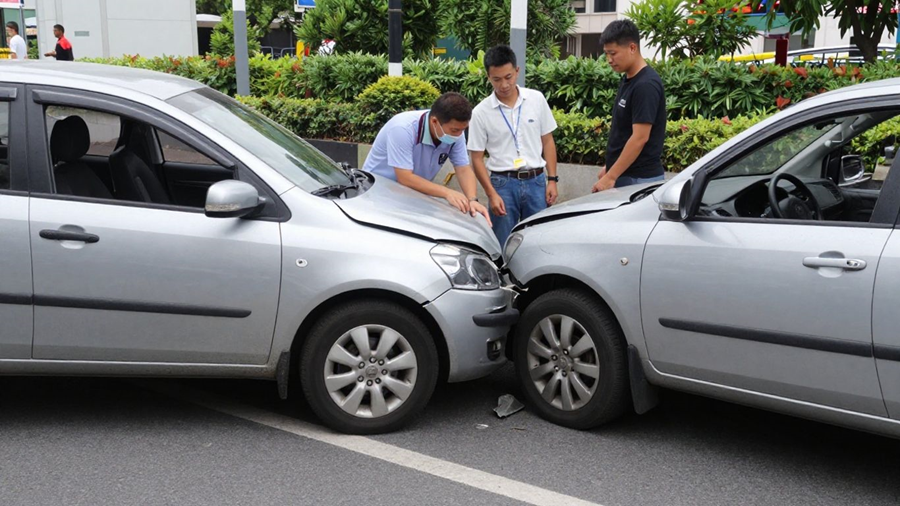
Okay, so the immediate chaos has settled a bit, and everyone seems to be mostly okay. Now’s the time to put on your detective hat, but, you know, a calm, collected one. This is where you start building the case for what happened.
Exchange Contact and Insurance Details
This is super important. You need to get the basics from everyone else involved. Don’t just rely on a handshake or a quick “I’ll call you.” Write it down, take a picture of their insurance card if they’ll let you. You’ll need:
- Full legal names of all drivers and passengers.
- Phone numbers and addresses.
- Driver’s license numbers.
- Insurance company name and policy number.
- Vehicle details: make, model, color, and license plate number.
It’s also a good idea to get the same info from any witnesses. They might not stick around, so grab their contact info while you can.
Document the Scene: Photos and Notes
Your phone is literally your best friend now. Take pictures of everything. Seriously. Wide shots of the intersection or road showing where the cars ended up. Then zoom in on the damage to all vehicles involved, including yours.” Do not forget to take pictures of:
- Road conditions (wet, icy, potholes).
- Which traffic signs or signals, if any, apply.
- Other indications on the road: skid marks or debris
- The other car’s license plate.
Jot down notes too. What time did it happen? What was the weather like? What did people say? Even small details can loom later on.
Remember, your safety comes first. Photograph only if it is safe and you are not obstructing emergency responders or traffic.
Identify Witnesses
Ask for contact information for any people who witnessed what happened, but were not directly involved. They also can be very useful in the event of a dispute as to how the accident happened. Inquire about their willingness to divulge a name and number. A brief conversation may provide you with their view of what led up to the crash.
Reporting the Accident
Okay, so you’ve checked for injuries and swapped info. Now, what about making it official? This is where you start building the record of what happened, which is super important for insurance and, well, just for your own peace of mind.
When to Call the Police
You should always call the police after any car crash, no matter how minor. Seriously. Although it may seem like a basic fender bender, including an officer on the scene produces an official document. This report is important for your insurance company; it helps them determine who’s at fault and process your claim.
Without it, you could be having one of those awful situations where it’s your word against theirs, and that’s never a fun werehorse, plus not every damage or injury is immediately obvious, especially linkage to the wreck without someone connecting the dots in between.
Here’s a quick rundown of why calling the cops is a good idea:
Journalists should explain that the police report is a factual record of the incident. It records particulars including location and time, vehicles involved, and occasionally initial remarks.
Fault Determination: Although police don’t make a legal determination of who’s at fault, their report typically contains observations the insurance adjusters can use to determine liability.
Legal Requirements: In many states, if the damage exceeds a threshold amount (typically around $1,000) or there are injuries, you’re required by law to report the accident to law enforcement.
Access to Information: Officers can help ensure both sides accurately exchange information and they can give you their badge numbers and the report number, which you’ll need later.
Filing an Accident Report
If police arrive at the scene, they will undertake the official car crash reporting procedures. Be sure to take down the name of the responding officer, their badge number and the police report number. This makes it that much easier to obtain a copy of the report later on. This report is typically available online from your state’s Department of Transportation or directly through the responding police department.
The police come out, what if it’s a really little incident? Don’t work yourself up too much, but understand that in some states you may legally need to file a report — on your own — with the state’s motor vehicle department within some time frame (10 days, for example). This is normally referred to as a Driver’s Crash Report. It’s always a good idea to refer to your local laws or ask the responding officer if they feel it’s necessary. It is all part of the post-accident procedure guide that protects you.
Keep in mind too that it makes little difference how much of a mistake you may have thought you made at the time, or if all you did was bump each other: filing an official report is an important part of navigating your way through the aftermath of a collision. When it comes to car crash insurance claims or possible legal action after a wreck, it’s better to have it and not need it than to need it and not have the proof.
Contacting Your Insurance Company
After the immediate shock of a collision, one of the most practical things you can do is to contact your insurance provider as soon as possible. Quick reporting can help keep you safe in the policy limits, but it also accelerates repairs and sets you on course to receive covered funds. Even if the accident appears minor when you’re reporting it, or you believe the other driver was at fault, your insurance company needs to know about any accidents.
Most drivers are understandably scared to call, worried about seeing their premium increase, but the reality is waiting can make things messier later on. That’s one easy way to handle the call:
First, gather all the accident data: notes, photos, the police report number and other driver information.
Your description of what transpired should stick to the facts, just as you would do when speaking to an insurance adjuster after a car accident.
Request your claim number and your adjuster’s name and contact information.
After the call, follow up with an email reiterating key points. This gives you your paper trail for later.
Insurance companies sometimes request recorded statements — think carefully before offering one on the fly. If you ever feel confused about what the adjuster is asking, don’t hesitate to stop and consult someone else — perhaps even a lawyer.
Sometimes just having a clear, written record of your conversations can save you hours of stress if anything’s called into question later on.
Keep in mind that your adjuster’s role is to assist, within the parameters of your policy. Communicate clearly, accurately and factually. If you hit snags, there’s no shame in seeking backup — you want the claim processed correctly, not necessarily as quickly as possible. The idea is to keep you moving, with the least resistance possible.
Seeking Medical Attention (Even If You Feel Fine)
It’s very common to feel fine immediately following a car crash, perhaps just feeling a little rattled. Your body pumps out adrenaline, which can numb pain and make you experience as tougher than you are. But the thing is, injuries caused by car accidents, including whiplash or even internal issues don’t present themselves immediately. You may not feel bad at the scene, but then the aches and pains come a day or two later. It is extremely important to get checked out by a physician even if you are feeling well.
Imagine it like this: the doctor can see things you can’t yet see or feel. This visit provides a record connecting any injuries directly to the accident. Without that initial medical record, an insurance company could argue that any pain you have later was not brought on by the crash. So even for just a quick check-up, make that appointment.
Here’s why it matters:
- Establishes a Timeline: It shows a clear connection between the accident and your health.
- Catches Hidden Injuries: Doctors are trained to find injuries that aren’t obvious.
- Supports Your Claim: Medical documentation is key if you need to file an insurance claim.
- Starts Your Recovery: Getting proper advice early can prevent minor issues from becoming bigger problems.
Don’t hesitate to mention to the medical staff that your visit is due to a car accident. Be honest about every little ache or discomfort you’re experiencing, no matter how small it seems. This helps build a complete picture of what happened.
Moving Forward After the Accident
Dealing with a car accident is never easy, and it’s completely understandable to feel overwhelmed. We’ve laid out the steps to help you through it, from making sure everyone is safe at the scene to handling the paperwork later on.
Remember, taking things one step at a time can make a big difference. Documenting everything and looking after your health are super important. While this guide gives you a solid plan, don’t hesitate to reach out for professional help if you need it. You’ve got this.
Frequently Asked Questions
What’s the very first thing I should do after a car crash?
Your top priority is safety. If you can, move your car out of traffic to a safe spot. If anyone is hurt, call 911 right away. Even if you feel okay, it’s smart to get checked out by a doctor later.
Do I really need to call the police for a small accident?
It’s usually a good idea to call the police, especially if there are injuries or the damage looks like it will cost more than $1,000 to fix. A police report can be very helpful when you deal with insurance companies later.
What kind of information do I need to get from the other driver?
You’ll want their full name, phone number, address, and their insurance company’s name and policy number. Also, get their license plate number and jot down the make and model of their car.
Is it okay to apologize or say ‘it was my fault’ at the scene?
No, it’s best not to admit fault or apologize. Things can look different once all the facts are known, and saying you’re sorry could be used against you later. Stick to exchanging information.
How much proof do I need to collect at the accident scene?
Take lots of pictures! Get photos of the damage to all the cars, the overall scene, any skid marks, and the surrounding area. Write down notes about what happened, the weather, and the time of day. If there are witnesses, get their contact info too.
Why should I see a doctor if I don’t feel injured?
Sometimes, injuries like whiplash don’t show up right away. Adrenaline can mask pain. Seeing a doctor soon after an accident creates a record that connects any later pain or issues directly to the crash, which is important for insurance claims.