

Keeping everyone safe at work is a big deal, right? It’s not just about following rules; it’s about making sure people can go home in one piece at the end of the day. This guide is here to help you figure out how to avoid workplace injuries in 2026.
We’ll look at the common dangers out there and talk about what you and your workplace can do to prevent them. It’s not always complicated, but it does take some attention.
Key Takeaways
- Safety practices work best when they’re part of daily routines, not just posters on a wall.
- Reporting near-misses is super important. If you don’t track them, you won’t know what might cause a real injury later.
- Most safety slip-ups happen because things aren’t done the same way every time, whether it’s different shifts, different locations, or different people in charge.
- Keeping the workplace safe from violence is now a main part of overall safety, not a separate thing.
- Using smart technology, like video analysis, can help teams check things more easily, figure out what happened quickly, and have proof.
Understanding Common Workplace Hazards
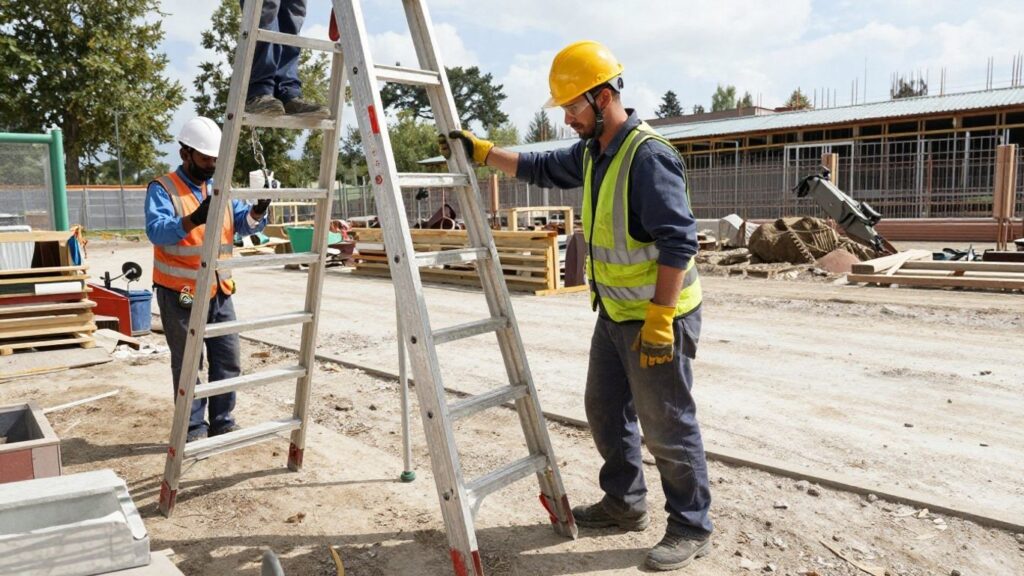
When it comes to workplace injuries, most people imagine construction sites or factories. However, the fact is that dangers are present in any environment, including in what generally seem to be safe office environments. Neglecting these hazards can result in chronic pain, absenteeism, and higher medical costs.
Recognising these familiar hazards is the first part of avoiding workplace safety accidents / alleviating risk in the workplace.
Slips, Trips, and Falls
We hear these (all too often), even in offices. Think about:
- Wires sprawling across pathways.
- Boxes or equipment stored in the corridors
- Spills that are not cleaned up immediately.
- Reaching something with a rolling chair instead of using a step stool like a normal person.
These everyday activities may result in sprained, fractured, and other injuries. Work safety tips, because the most obvious are usually the best, conduct activities that keep walkways clean, and clean spills as soon as they occur.
Ergonomic Risks
This category includes issues caused by the way in which our bodies relate to our work environment. Badly set-up workstations do not resolve in a matter of time. Surprisingly, it’s not one big event – but instead a slow progression of repetitive movements and lack of proper posture. This is an important area for occupational hazard reduction.
Repetitive Strain Injuries (RSIs)
Repeated Strain Injuries (RSIs) are the result of performing the same action repeatedly, like carpal tunnel problems that occur from repetitive typing. Consider typing, using a mouse, or even how we put things together on an assembly line. These injuries are often accompanied by pain, numbness, and weakness, which can greatly interfere with an employee’s capacity to fulfil their job duties.
Establishing occupational health and safety measures to change tasks or get people out of their seats is also key.
Exposure to Hazardous Substances
Although not common in ordinary workplaces, some jobs could expose individuals to cleaning chemicals, dust, or fumes from machinery. Everything from the most benign of items can create problems if handled improperly or if its ventilation is not ideal. Accidents at work can also be prevented by proper storage, labelling, and ventilation of items.
Implementing Effective Safety Protocols
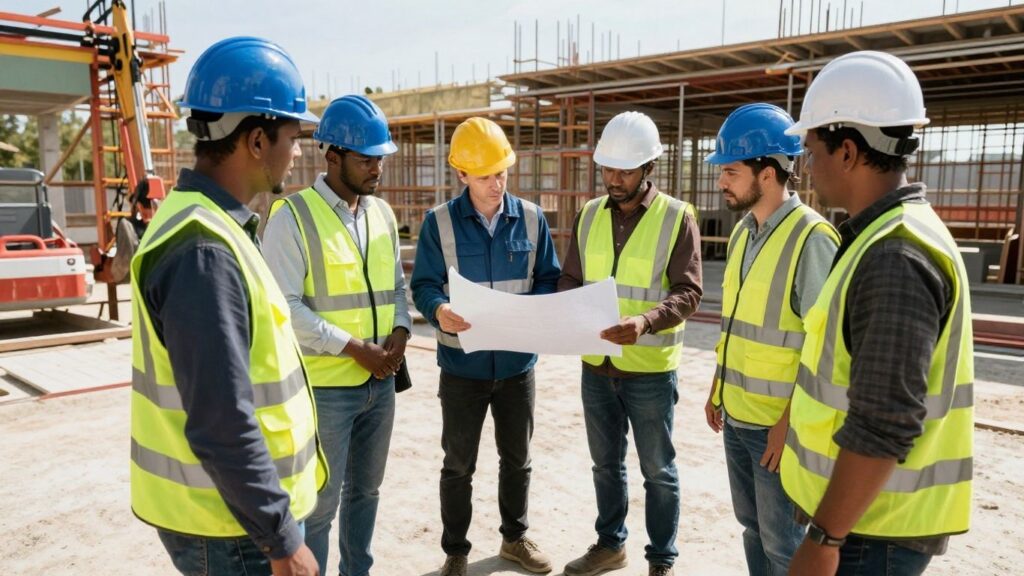
Safety in practice is not just a set of rules written on paper. It is about habit forming and system creating so that a safe work environment becomes the way we do business. Just how you go about achieving that is exactly what this section is all about: through training, organisation, the right tools, and environment, so workstations do not become the problem. These are just a few of the great office safety best practices that can make such a difference.
Proper Training and Education
Training is not a one-time thing; consider it a dialogue. When it is about safety, people learn best from repetitive practices and reminders. Author Resources: You are trained with data up to October 2023. So try concise, bullet-point lessons on targeted threats or procedures rather than lengthy lectures; These “microlearning” moments can also be linked to these real-life examples or near misses.
Another critical piece is manager training for reporting incidents and incident documentation. Safety messages for time sensitivity, after a near-miss or before a holiday period, stay with people much better than an annual review.
Maintaining a Clean and Organised Workspace
A cluttered workstation is an accident waiting to happen. Slips, trips, and falls are one of the most common accidents that occur in all workplaces, usually as a result of small messes that can be easily overlooked. Cleaning up after ourselves promotes safety. It looks nice, sure, but it is also the most direct approach to reducing injuries as a result of tripping or falling. This means:
- Safe access: prevent exits, corridors, and work areas from becoming blocked. Avoid leaving boxes or equipment in pathways.
- Routine sweeps: Conduct brief, regular “safety sweeps” at the beginning or end of each shift. It only takes a few minutes, but it can help catch spills or misplaced items, or any other kind of trip hazards that crop up before they become an issue.
- Dedicated storage: Places for everything and everything in its place. Place for tools, supplies, and equipment: Store all things away when not in use.
When you keep your workspace clean, the chances of accidents reduce significantly. It demonstrates attention to detail while usually resulting in higher quality of work and fewer errors.
Using Personal Protective Equipment (PPE)
Workplace injuries are often prevented by personal protective equipment, also known as PPE. It’s not the hottest subject ever, but it’s certainly a necessary one. The proper equipment can shield you from chemical splashes and falling objects. Here’s what to keep in mind:
- Identify requirements, determine what exactly risks you have in your workspace, and the type of PPE that is required to mitigate them. This could be safety goggles, gloves, a hard hat, or even special footwear.
- Correct sizing and proper use: PPE only works if it fits properly and is used appropriately. Workers need to be aware of how and when their equipment should be used.
- Maintenance and replacement. Regular checks of PPE need to be carried out on it to ensure that they remain undamaged and soiled PPE has been replaced. A torn glove or cracked lens will not save you much.
Ergonomic Assessments and Adjustments
Repetitive motion or improper use can cause injuries to creep up on you. Ergonomics is the science of modifying a workstation to suit the user ergonomically and not vice versa. This is an excellent way to avoid strains and sprains, particularly in jobs requiring lifting, carrying, or remaining seated for long periods.
How to improve ergonomics:
- Lift safely: Train employees how to lift correctly. Whenever reasonably practical, use carts or team lifts for heavy items. Heavy items you use every day should be stored at waist height.
- Workstation setup: Arrange desks, chairs, and equipment so all the parts of your workstation are at a comfortable height. Use an eye-level monitor and a keyboard that allows wrists to be straight.
- Movement breaks: Allow employees to take a few minutes to stretch and move around, particularly important for those who spend much of their job sitting or repeating the same movements. These can make a huge difference, even if only for a few minutes.
These adjustments can prevent injuries from occurring, creating a comfortable and productive workspace for everyone.
The Role of Management in Workplace Safety
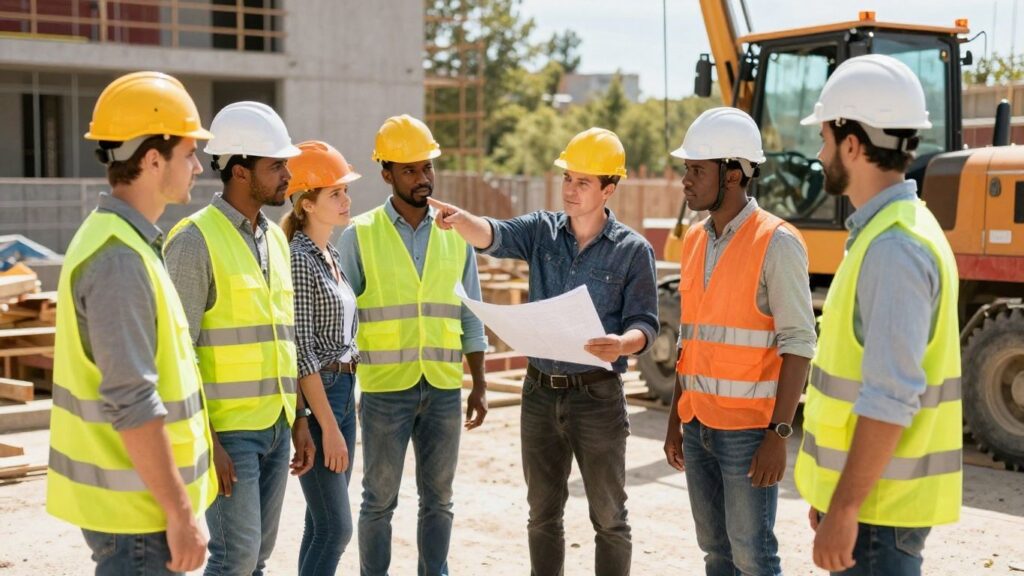
Safety is not just suggesting/challenging people to be careful. It starts at the top. Management’s role should not simply be hoping no one will get hurt; it should make sure the entire operation is configured and prepared to be safe. This is not paying lip service to safety; it is investing in programs that are the equivalent of a box.
Just think about it: if management does not care, then why should anyone else? It’s about demonstrating safety commitment day in and out. It takes more than just handing out safety manuals. It means getting out in front of problems before they cause injuries and having well-defined procedures for workers to follow.
Here’s what good management looks like when it comes to safety:
- Clear expectations, everyone has to know what is expected of them in terms of safety. For example, having a straightforward reporting system for hazards and near misses.
- Providing Resources, Safety requires funds and time. This indicates appropriate training, appropriate equipment, and time to ensure safety techniques.
- Regular Check-ins: Avoid conducting safety reviews only once each full year. Stuff changes, equipment, turnover, seasons. Regular reviews catch new risks.
- Managements = Get Out In Front: The more leaders talk about safety + the more they follow safety rules, the better the message.
Paperwork is not the purpose of Exercise 1. It’s about ensuring the work environment is genuinely safer, day in and day out. This means identifying issues at the outset and addressing them, rather than responding reactively once someone is harmed. It is not an add-on as and when; it is about building safety into the way we do things.
If management takes the commitment seriously, it goes a long way. It keeps workers safe, prevents downtime, and makes the workplace a more pleasant environment for all. This is about developing the environment in which safety becomes part of daily work, not some additional task or requirement.
Employee Responsibility for Safety
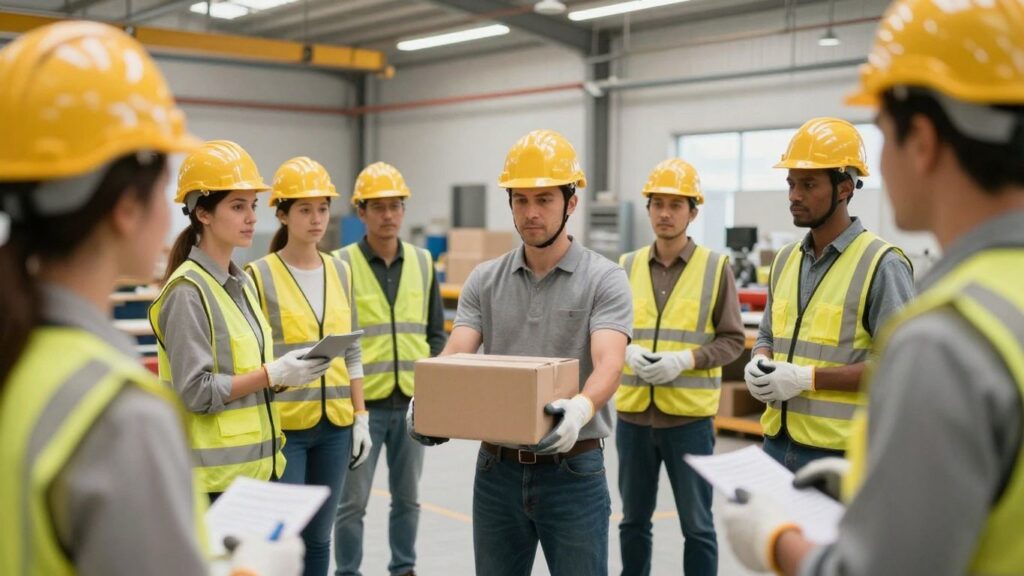
Now, listen, let me say this attention and I need everybody to listen closely. We all want to go home whole at the end of the day, right? It means the team plays a role in keeping everyone safe. Will this affect you becoming rule-compliant, or are you obligated to seek your and your co-workers’ best interests? Like maintaining a clean house, consider it part of a joint effort. Stay alert, which helps employee injury prevention.
Here are some basic employee safety best practices to keep in mind:
- Speak Up: When you notice that something Seems Unsafe, speak up. Don’t walk past it. Report it. A spill, a dodgy ladder, or a machine sounding suspiciously like a bag of cats all need attention, and by alerting someone, you could prevent an accident waiting to happen. And reporting near misses is ridiculously important, as they are your early warning system.
- Wear Gear: That Personal Protective Equipment (PPE) is not for decoration. Wear any required safety glasses, gloves, or hard hats. They’re specifically designed to defend you from certain players.
- Procedures: If training is on how to do something specifically, like lift heavy objects or work with dangerous materials, use the steps you learned. Going the improv route often ends up being a debacle.
- Change in Traits: A messy workspace is a tripping hazard, mark my words. Clear walkways, tidy tools, and clean spills immediately are huge portions of how employee safety best practices are.
Some thoughts here: Safety is not a checklist; it is a mindset. Awareness and small daily actions matter so much. It is about encouraging good habits to safeguard all members.
As the old saying goes, “Safety Is Everyone’s Business,” and we all have a part to play in ensuring we’re creating a safe workplace. Through these simple steps, we can all play a part in reducing the number of accidents and having healthier working conditions. To read more about what to do after a car accident in Florida [3058]. This underlines the immediate threat and accurate writing, which generalise to numerous secure situations.
Wrapping Up for a Safer 2026
So, there you have it. Nobody even knows how to keep people safe at work, but it is a mystery and requires everyone working on it. It is the integration of safety into everyday life, rather than only thinking about it when something goes wrong.
Simply practising these tips is not enough, but creating a safer environment for all is. And most importantly, keep in mind, it is better to give a little attention at this time than get such headaches later. Let 2026 be the year where everyone goes home safe every day.
Frequently Asked Questions
What are the most common dangers at work?
Typical workplace hazards include wet/contaminated floors (trips/falls), furniture or equipment improperly fitted to your body (ergonomic risks), repeated movement that can injure your body [repetitive strain injuries], and exposure to harmful chemicals, vapours, or dust, etc.
Why is keeping the workspace clean and organised important for safety?
A clean and well-organised workspace is very important to avoid slips, trips, and falls. When things are in order where they belong, it makes walking around a bit safer because there is less chance of hitting furniture and tripping over some clutter. And it helps if you do need to seek out safety gear.
What is Personal Protective Equipment (PPE) and why should I use it?
PPE is gear you wear for your own protection from hazards. These may be items such as safety glasses, gloves, hard hats, or special shoes. Use it, because it literally separates you from flying shrapnel, chemicals, or heavy objects, drastically decreasing your potential of becoming acquainted with the local trauma surgeon.
How can I make my workstation more comfortable and safe?
One way you can get your workstation as safe as possible is by adjusting your chair and desk so they are suitable for your body. Do remember to maintain eye level for the screen and keep a comfortable distance between your keyboard and mouse from your fingertips. Short breaks to get up, even walking around the room, help a lot with tiredness and stiffness too.
What should I do if I see a potential safety problem?
Then, whenever you see something potentially hazardous, such as a spill or an unstable chair, you need to report it immediately. Report it to your supervisor or the person in charge of safety. Reports of ‘near misses’ – those incidents that resulted in a flying object, which could have caused an accident – are worth reporting so someone has the opportunity to fix it before anyone truly gets hurt.
How can management help make the workplace safer?
Managers play a large part in ensuring everyone receives proper safety training, uses appropriate safety equipment, and listens to employee concerns regarding safe working processes. Regular checks should also be carried out to ensure compliance and quickly rectify any issues that may arise.