
What to Do After a Bicycle Accident Step-by-Step Legal Guide 2026
Getting into a bicycle accident can be a really jarring experience. One minute you’re enjoying a ride, the next you’re dealing with injuries, damaged property, and a whole lot of confusion. It’s easy to feel lost in the chaos, but knowing what to do right after a crash can make a huge difference.
This guide breaks down the essential steps, from making sure you’re safe to understanding your legal options. We’ll cover what to do immediately at the scene and how to navigate the aftermath, so you can focus on getting better.
Key Takeaways
- Your immediate safety and medical well-being are the top priorities after any bike accident. Seek help even if injuries seem minor.
- Gathering information at the scene, like photos and witness details, is crucial evidence for any future claims.
- Reporting the accident to the police creates an official record that can be very important.
- Avoid admitting fault at the scene; let the facts and investigations determine liability.
- Consulting with a bicycle accident lawyer can help you understand your rights and ensure you receive fair compensation for your damages.
Immediate Steps After a Bicycle Accident
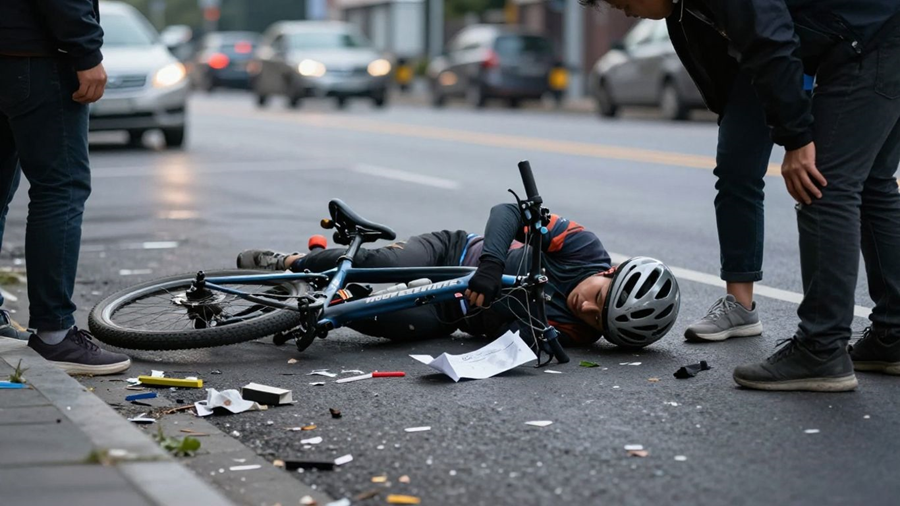
A bicycle accident can be a jarring experience, and our riding attorneys know what you should do immediately. Nothing is more important than your safety and well-being. If you’re able, get yourself and your bike out of the way of traffic to avoid further injury. Then, assess yourself and anyone else involved for injuries.
Some injuries, for instance, concussions or internal bleeding, won’t become evident immediately, even if you feel well. It’s important to see a medical professional as soon as possible. Not only does this benefit your health, but it also builds a record that may be useful in the future.
Prioritize Safety and Seek Medical Attention
Once you get past the initial shock, take a moment to analyze the reality. If you can, move to safety off the side of the road or on a sidewalk. Don’t try to be a hero if you are seriously hurt, and wait for help. It’s a good idea to call 911 even if it seems like the accident is minor.
The police can write up an official report detailing the circumstances of the incident, which serves as a critical piece of evidence for any subsequent bike accident claims process. Just keep in mind that your health is the number one priority. Even what appears to be a minor bump can cause larger problems down the line, so getting checked out medically is a good idea.”
Gather Information at the Scene
If you can, begin to collect information. That’s where documentation comes in handy. Use your phone to take various pictures of the accident scene. Photograph the damage to your bike, any other vehicles involved (including license plates), road conditions, and your injuries.
If there are witnesses, obtain their names and contact information. When attempting to determine what occurred and who was responsible, this information can be extremely valuable. This is just one part of the post-bike-collision steps.
Document the Accident Scene
Let’s imagine you are a detective for a second. What impressions can you record that will help tell the story later? This includes:
- Photos of your bike and any damage.
- Photos of the vehicle(s) involved, including make/model and license plate.
- A photograph of your injuries, no matter how small they are.
- Shots of what is around you, such as road signs, traffic lights, or any obstacles.
- Contact information for any witnesses.
The information you gather from the scene will help strengthen your case. Never underestimate what clear factual evidence will do.
Knowing what to do if you get hit by a car while riding your bike can be overwhelming, but these steps are essential for your recovery and any possible legal recourse.
Reporting the Accident
Once you’ve ensured that everyone is safe and sought any necessary immediate medical assistance, the next important step is officially reporting what occurred. This is very important in establishing a clear record of the incident. There are a few key places where you want to file reports: the police and your insurance company.
When to File a Police Report
If there are injuries or damage to your bike or other property, it’s a good idea to have the police come out to the scene. Even if the police don’t respond, you can usually visit your local station to file a report of your own.
Why, this official document comes in real handy later on. It generates a neutral account of the accident, typically including statements from parties involved and any witnesses. These are valuable to insurance companies as they determine who’s at fault in the end.
Here’s what getting a police report means:
- This is an official record of the crash.
- It records what people reported at the time as happening.
- It assists insurance companies in settling liability issues.
- It can be handy if the other party flees the scene.
Notifying Your Insurance Company
Do not forget to report the accident to your insurance company as well. If you have auto insurance with a bicycle rider or specified personal injury protection (PIP), you’ll want to contact them right away.
When you speak with them, just stick to the facts – tell them what happened, any injuries you might have sustained (even minor ones), and damage to your bike or belongings. As a rule, you shouldn’t make recorded statements or accept any settlement offer without consulting a lawyer first. They may attempt to minimize your situation, and you want to ensure you’re covered.”
By following these steps to report a bike accident, you will be laying the groundwork for any potential claims or legal matters that may arise in the future.
Understanding Your Legal Rights
In a state of confusion, knowing what to do after your bike accident can seem impossible. But understanding your rights is an important step toward obtaining the compensation you may need. It’s similar to having the same rights on the road as someone with a car, including the right to safety and to receive compensation if you get hurt because of someone else’s carelessness.
Determining Fault and Liability
This is a big one. And who, really, was to blame for the crash? The law in many places considers something called ‘comparative fault. This means that if you were partially at fault, it could reduce your compensation in proportion to the percentage of blame assigned to you. For instance, if a jury finds you 20% at fault for an accident, you’ll collect only 80% of the total damages awarded.
But that means if you are found to be more than 50% at fault, you may end up with nothing at all. This is the reason why collecting evidence of the scene, such as eyewitness accounts and images, is very crucial. It gives you a clear sense of where things went wrong and who to blame. Sometimes it’s not only the other driver: It could be a poorly maintained road or a defective bike part that played a role in a crash.
Types of Damages You Can Claim
If you’ve been injured, you’re probably asking what exactly I can be compensated for. It’s not just about repairing your bike, even though that is part of it. You may usually be able to claim for a variety of losses:
Medical Expenses: Here’s everything from ambulance rides and emergency room visits to physical therapy, medication, and future medical care you may need.
Lost Wages: If your injuries prevented you from going to work, you can seek compensation for the income you lost during those days. The same applies to future earning potential if your injuries have permanent effects on your work capacity.
Bike and Property Damage: The cost to repair or replace your bike, in addition to any other personal property damaged in the accident (e.g., your phone or helmet).
Pain and Suffering: This is a little more abstract, but it includes the physical pain, emotional distress, and loss of enjoyment of life you’ve endured due to the accident.
Documenting everything: medical bills, repair estimates, pay stubs, and even a journal of how you feel every day, is extremely helpful when it comes time to determine the total worth of your claim. It can feel like a lot of work, but it does really pay off.
The first step to understanding these parts of your legal rights. If liability is uncertain or your injuries are serious, speaking with a legal professional who specializes in this type of case can offer considerable clarity and assist you legally. They can help sort through the fine print and ensure you’re not short-changed.
When to Consult a Bicycle Accident Lawyer
Accidents happen, and sometimes they’re more than a scraped knee and a bent wheel. If you have been in a bicycle crash, especially one where someone else may be at fault, you’ve got some important decisions to make. There’s not always a straightforward answer to who did what, and working with insurance companies can often be like trying to solve a puzzle when half the pieces are missing.
If any of the following sounds familiar to you, then you should seriously consider getting some cycle accident legal advice:
Your injuries are worse than scrapes and scratches. We’re talking things like broken bones, head injuries, or anything that you would need extensive medical treatment for or could have a lifelong consequence.” You focus on your health, and ensuring that your medical bills are covered is a big deal.
There is a dispute about who caused the crash. A lawyer can help establish the facts and collect evidence to support your side if the other driver or their insurance company is claiming fault, or if a police report is ambiguous.
The insurance company is being tough. Perhaps they’re proposing a ridiculously low settlement, or stalling on your claim, or outright denying it. They have lawyers on their side, so it’s a good idea to have someone in your corner as well.
You’re out of work because of the accident. Lost income can accumulate quickly, and you deserve to be compensated for that time when you cannot earn a living.
Seeking the advice of a personal injury lawyer for your bike accident is not about being greedy; it is to confirm that you are treated fairly in this process. They understand the ins and outs of these cases and help you learn your rights and what you may be entitled to. That’s a lot for anyone to manage by themselves, and working with someone who knows the process can facilitate all those decisions while ensuring that you make progress towards meeting your goals. Just don’t take too long to do that, because there are deadlines for filing claims.
Key Takeaways for Bicycle Accident Victims
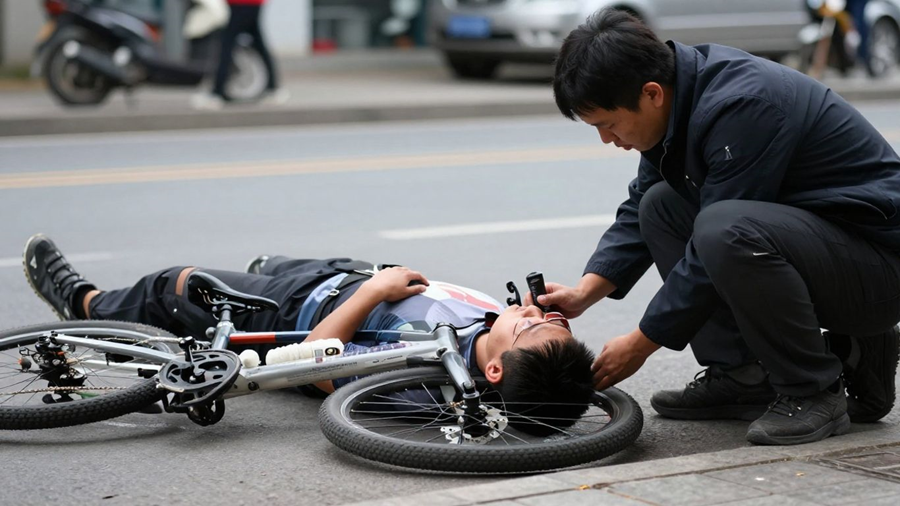
Here are a few tips to get you through after a bicycle accident. Your health and safety are the highest priority. If you have any pain, even if it is slight, do not ignore it. Other injuries, like concussions or internal problems, may not be immediately apparent, so it’s important to be evaluated by a physician. It also creates a record that establishes a direct tie between your injuries and the crash, an issue of huge significance later.
Collecting data on the scene is important too. If you can, take pictures of the accident scene, any vehicles involved, your bike, and your injuries. Be sure to collect contact information from any witnesses. This proof helps clarify what happened and demonstrates who is responsible.
Here’s a brief refresher on what to remember:
See a Doctor Even If You Feel Fine: Major injuries can come on hours or even days later. Documenting any injuries is crucial for future claims.
Record Everything: Photos/videos of the scene, vehicles involved, and injuries. Collect witness information.
Admit No Wrongdoing: Do not say anything that could be construed as an admission of fault. Tell the police or insurance adjusters only what is factual.
Know Your Rights: You have injured cyclist rights. Learning these can help you to make a difference in what you do next.
Seek Legal Assistance: Navigating insurance companies and legal procedures can be complicated. A lawyer who specializes in bicycle accidents can help you and protect your interests.
Keep in mind that legal cases usually involve a factor of time. There are deadlines for making claims, so don’t delay seeking advice if you believe you may have a case. Moving quickly can make sure you do not lose out on any compensation you may be due.
Wrapping Up: What Happens Next?
So, you’ve gone through the tough stuff after a bike accident – getting help, gathering info, and maybe even talking to a lawyer. It’s a lot, I know. Remember, taking these steps isn’t just about dealing with the immediate aftermath; it’s about looking out for yourself down the road.
Your health is the main thing, so keep up with any doctor’s visits. And if you’re feeling lost about the legal side of things, don’t hesitate to get that professional advice. It can really make a difference in getting things sorted out fairly.
Frequently Asked Questions
What’s the very first thing I should do after a bike accident?
Your safety is number one! If you can, move yourself and any other people involved to a safe location away from traffic. Then, check for injuries. Even if you feel fine, it’s crucial to dial 911 for medical assistance, particularly if anyone has been injured. If you’re severely injured, don’t attempt to move; wait for paramedics.
Should I talk about who was at fault at the accident scene?
It’s wise to remain composed and never discuss who caused the accident. Sometimes, insurance companies don’t like what you say immediately after a crash. When talking to police or medical helpers, just stick to the facts. Allow the investigation to determine who is responsible.
Is it important to call the police even if my injuries seem small?
Well, yes, it is a really good idea to call the police. They’ll prepare an official report of what occurred. Think of this report as important evidence that will really help you out down the line when filing an insurance claim or dealing with cards in a court of law. It helps illustrate what happened from an official perspective.
What kind of information should I try to collect at the scene?
If you can, take photos or videos of everything: your bike and any damage to it, the other vehicle involved (and its license plate), your injuries, and the surrounding area of where the crash happened, including road signs that may have contributed to it or obstacles. Record the names and contact information for anyone who witnessed what happened as well. This stuff is gold in terms of showing you did the right thing later.
Do I need to see a doctor even if I don’t feel seriously hurt?
Absolutely. Sometimes, serious injuries like concussions or internal problems don’t show up right away because of adrenaline. Seeing a doctor soon after the accident is crucial. It makes sure you get the care you need and creates a medical record that links your injuries directly to the crash, which is vital for any claims.
When should I think about hiring a lawyer after a bike accident?
You should consider talking to a lawyer if your injuries are serious, if there’s a disagreement about who caused the accident, or if the insurance company isn’t being fair. A lawyer can help you understand your rights, deal with insurance companies, and make sure you get the compensation you deserve for medical bills, lost wages, and other costs.