


Living in an apartment complex means you expect a certain level of safety and upkeep. But what happens when things go wrong? Maybe there’s a serious maintenance issue, or perhaps you’ve been injured due to negligence. It’s a situation nobody wants to be in, and it leads to a big question: Can I sue my apartment complex?
I’ve been looking into this, and it turns out there are definitely situations where you might have grounds to take legal action. It’s not always straightforward, but knowing your rights is the first step.
Key Takeaways
- You can potentially sue your apartment complex for reasons like breaking the lease, not keeping the place livable, injuries from negligence, wrongful eviction, or discrimination.
- Before suing, it’s smart to gather all your evidence, read your lease agreement carefully, and try to communicate with your landlord or management in writing.
- Getting advice from a lawyer can help you understand your options and what to expect if you decide to move forward with a lawsuit.
- If a lawsuit is successful, you might get compensation for things like medical bills, lost pay, and even pain and suffering.
- Remember, even if you’re just a guest and not on the lease, you might still have rights if you’re injured on the property due to the landlord’s neglect.
When Can You Sue Your Apartment Complex?
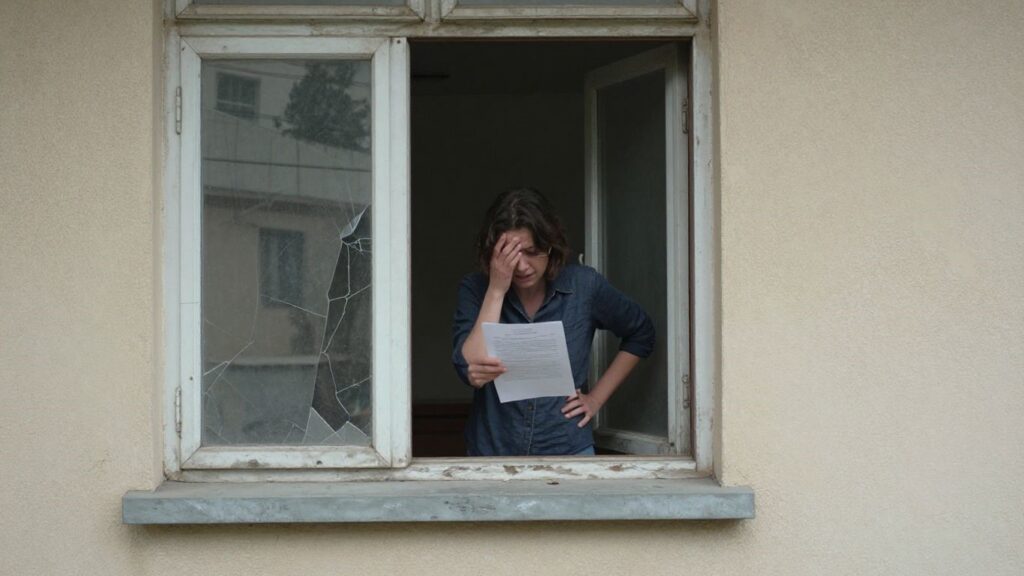
Living in an apartment complex can feel like a rubbing war at times. You pay your rent promptly, adhere to the guidelines, and receive security of a habitable unit. However, what happens if the other side of the apartment complex does not follow through?
My experience is that I have enough circumstances to sue my landlord or property management company. It certainly is a hard choice to make, but being aware of my renter rights is essential.
Breach of Lease Agreement
This is pretty straightforward. Provided that the apartment complex is in breach of any terms set forth in our lease, I would have a case. This could include anything from not having the amenities you promised to making changes on the property without my approval that affect my day-to-day life.
It all comes down to what we have in writing. I need to plan my response to the landlord breaking the lease, or what happens if they break it.
Failure to Maintain a Habitable Living Space
This is a big one. Landlords are legally obliged to ensure the property is safe and habitable. Which entails dealing with no nonsense like:
- Pest infestations (roaches, rodents)
- Utilities (heat, hot water, electricity)
- Thirdly, structural damage (roof leaks, crumbling walls)
- Mold or lead paint issues that are serious
- Unsafe areas of common sense:(broken stairs, bad lights:
If this apartment complex is aware of these issues and does not provide a remedy in an appropriate time frame, then I can sue. This is commonly called premises liability. It’s not just about comfort, it’s about health and safety. I want to know my options if I am facing unsafe conditions in an apartment.
If ignored, this may fall under premises liability—similar to cases explained in How Much Is a Slip and Fall Case Worth.
Personal Injury Due to Negligence
Well, this is the point where it gets slightly more serious. Now, you will be able to sue the landlord for negligence if you were to fall and slip in an apartment complex that had negligent maintenance. What if your slip and fall is on an unsafe stairwell or a shock from faulty wiring?
In this situation, the plaintiff’s injury was itself a logical consequence of proving that the landlord knew or should have known of a condition creating an unreasonable risk of harm to invitees, and failed to take appropriate measures to remedy it, like the landlord or owner of your rental unit. And if I get injured, I need to understand the relevant statute of limitations for filing a claim because even waiting a few days after the deadline can result in being barred from recovering anything under any circumstances.
If you’re injured due to unsafe conditions (like broken stairs or faulty wiring), you may file a claim. These cases are similar to accident claims like those discussed in What to Do After a Slip and Fall Accident.
Wrongful Eviction
Getting thrown out of my apartment wrongly would be a nightmare. A wrongful eviction occurs when a landlord tries to evict me not for cause or in compliance with the required procedures.
This includes making me leave to do renovations (which are unneeded for this property) or selling the place without giving any warning or compensation, or taking revenge after I have filed a complaint against them. Since this is an eviction lawsuit, the owner needs to handle it with extreme caution.
If a landlord removes you without proper legal process, you may have grounds to sue. In serious legal violations, compensation may be comparable to cases like How Much Is a Wrongful Arrest Lawsuit Worth.
Discrimination
This is absolutely unacceptable. You see, I am a tenant and as such have rights. One of those rights is to live without discrimination. It is illegal for the apartment complex to treat other tenants or me differently because of our race, religion, national origin, sex, familial status, or disability. For example, this could result in discriminatory housing practices or a failure to accommodate a disability. This is basically a dubious pathway to getting the landlord sued for discrimination.
Of course, not every small inconvenience is lawsuit-worthy. With that being the case, if a landlord or property management company repeatedly fails to meet their legal obligations in such a way that puts your health, safety, or housing security at risk, it may eventually be necessary to sue the landlord. The first step to protecting yourself is knowing when you need to hire a tenant lawyer.
Steps to Take Before Suing

Alright, so you are considering suing your apartment complex. That’s a big step, and frankly, only I would consider it if things are really bad and nothing else has worked. There are a few things I would SOLIDIFY before you even think about filing papers.
Document Everything
That is probably the most critical section. To build a good case, you need evidence. If there is something that needs repair (pipes leaking, mold, etc., broken steps), you have to take pictures or videos of it. Maintain records of every single communication you have with your landlord or the management company.
This consists of emails, letters, and also even notes taken throughout a phone call (e.g., date/time/whom you spoke with/etc). And, if something did occur, such as an injury, obtain medical records immediately. For real, if it doesn’t get documented or photographed, legally speaking, it didn’t happen.
This sounds more than a little bit extra, but if things do get serious, you’ll be glad you have your stuff in order. If you’re a little slow on the uptake and dealing with personal injury claims, of course, you will require presenting proof of your injuries and expenses, just like medical bills.
Take photos, videos, and keep all communication records. If injured, gather medical proof—just like in What to Do After a Workplace Injury.
Review Your Lease Agreement
Your lease is like a rulebook for your tenancy. You would read it front to back, and you green-lighted the sections on maintenance, repairs, and what happens if things go sideways. Is there anything stating that the landlord should fix things? How do you report problems?
Knowing what your lease says will help you see if the landlord has actually violated any of the rules they signed up to. You should also search for language about liability waivers, but these are not always enforceable, especially in the case of a negligent landlord. If you’re not sure, however, it’s always a good idea to have an attorney review your lease.
Communicate with Your Landlord in Writing
If you have already spoken to your landlord or the manager, I would send a follow-up in writing. Send a polite but strong letter or email explaining the problem and what needs to be done in order for it to be solved. Set a fair deadline for them to reply or rectify.
That gives you a distinct record of your attempts to settle the issue amicably. This written record becomes a piece of solid evidence that you attempted to resolve the issue without resorting to legal action if they never respond or refuse to do anything. This proves that you did not simply complain, but rather requested an official response.
Seek Legal Advice
If there is a claim, I’d consult a lawyer representing landlord-tenant law or personal injury (depending on the reason I’m contemplating suing) long before I ever get to filing a lawsuit. They can also explain to me if I even have a case, what my options are, and what to expect. They also help me have an understanding of potential problems, such as setting up a pretty horrible tenant-landlord relationship, which is something to avoid since you will be living there.
A lawyer can also help settle with the landlord or their insurance company, which might be enough to get you a settlement without a full case. If you have a case to file regarding something like medical malpractice, the best thing you can do is speak with a lawyer as soon as possible because there are limitations on the time.
“Sometimes, just having a lawyer send a letter can get the landlord to take notice and resolve the issue. It’s often less stressful and quicker than going through the court system.”
If your case involves negligence or injury, a Slip and Fall Lawyer or Workplace Injury Lawyer may help depending on the situation.
Here’s a quick rundown of what you might be able to recover if you do end up suing:
| Type of Damages |
| Medical Expenses (past, present, future) |
| Lost Wages (missed work, reduced earning capacity) |
| Pain and Suffering |
| Property Damage |
| Relocation Expenses (if the apartment is uninhabitable) |
| Punitive Damages (in severe cases of negligence) |
What to Expect if You Sue

Okay, so you decided to sue your apartment complex. It is a large leap, and truthfully, it takes some work. The first thing you’re going to face is the nature of the legal system itself, and that can seem really intimidating if you’ve never been around it before. You will have to submit certain types of paperwork, and there are guidelines concerning how you should go about performing the necessary tasks, and timeframes in which it needs to be done. Similar to learning a new language, there will be unheard of terms and processes that may not directly make sense.
So if your case involves an injury, such as you slipped on a stairwell in disrepair or suffered from a serious fungus, you will need to show some specific matters. In general, you must establish that the landlord had a duty to maintain the premises in a safe condition; that the landlord breached that duty; and that this breach actually caused your injury. One of the biggest portions of this is to gather evidence.
These may include photographs of the hazard, your communications with the landlord about the issue, medical bills in case you sustained injury, and even witness statements. You can’t just say something was wrong; you have to back it up.
Here’s a breakdown of what you might be looking for in terms of compensation if you win:
- Medical Bills: Payment for doctor, hospital is out of pocket and medication costs (plus all subsequent treatment)
- Lost Wages: The money you did not make because your injuries from the accident kept you from going to work and earning an income.
- Pain and suffering: compensate you for the physical pain and emotional distress you suffered
- Damages to property: If your property was damaged due to the negligence of the landlord.
By the time that the lawsuit drags on, stories are spun. A lot of the time, you can sort things out on your own without even needing to go to court. Most landlord insurance firms will settle quickly when a lawyer is involved. That can get you paid faster than a full trial ever could. You will need to talk with your attorney about the bankruptcy option and whether a settlement or trial is the answer.
Finally, remember that even if you are not actually a tenant in the lease agreement but have been injured on the property as a guest because it had not been properly taken care of (in other words, through negligence), you should be entitled to rights. More to the point, a landlord could be liable for concerns including inadequate security from a burglary or injury as a result of dangerous structures; all elements of premises liability.
“Be prepared for the possibility that suing your landlord could create tension. While they can’t legally retaliate, it’s not uncommon for relationships to become strained, which might make your living situation uncomfortable. It’s a trade-off to consider when weighing your options.”
The legal process involves filing paperwork, gathering evidence, and possibly going to court. Many cases settle early, similar to claims discussed in How Long Does a Personal Injury Case Take.
Wrapping Things Up
I know dealing with apartment problems can really suck. You rent on the understanding that you’ll have a secure place to live, and so when you’re not even close to getting that, well, that’s enough to make anyone angry. You may not always want to be the first or best place generally) But just knowing you have that option and your landlord can sue is powerful. It means you have rights.
Have you gotten hurt because your landlord has failed on safety? October 2023, Contact includes a sentence that says: Compose your evidence, read your lease agreement, and get in touch with someone well-versed when it comes to the legal aspects if you need. You should feel safe inside your home, and if you do not, then you are entitled to compensation for your troubles.
Start by documenting everything, reviewing your lease, and getting expert advice. If needed, reach out for a Free Case Evaluation to explore your options.
Frequently Asked Questions
What if my lease has a clause saying the landlord isn’t responsible for injuries?
Sometimes, leases have clauses that try to get the landlord off the hook if you get hurt. But these aren’t always valid, especially if the landlord messed up badly or broke housing rules. It’s always a good idea to have a lawyer look at your lease before you assume you can’t sue.
What if I’m just a guest and not the tenant on the lease?
Even if your name isn’t on the lease, like if you’re visiting a friend, you might still be able to sue the landlord. Landlords have a responsibility to keep their property safe for anyone who is legally there, not just the people who pay rent.
What kind of things can I get money for if I win a lawsuit?
If your lawsuit is successful, you might get money for things like medical bills (now and in the future), money you lost from not being able to work, and even for the pain and emotional stress you went through. If your stuff was damaged or you had to move because the place was unlivable, you might get money for that too. In really bad cases, the landlord might have to pay extra to punish them and stop them from doing it again.
Is suing my landlord always the best option?
Not always. Sometimes, it’s better to file a claim with your landlord’s insurance. Suing can take a long time, and you might get the same amount of money faster through an insurance claim. Also, suing can create a lot of bad feelings, and your landlord might try to make things difficult for you afterward.
What if my landlord ignores my complaints about unsafe conditions?
If your landlord knows about a dangerous problem, like a broken step or faulty wiring, and doesn’t fix it in a reasonable amount of time, they could be held responsible if you get hurt. You need to show that they had a duty to keep the place safe, they knew about the problem, they didn’t fix it, and that failure caused your injury.
What should I do if I get hurt on my rental property?
First, make sure you get any necessary medical help. Then, start gathering proof. Take pictures or videos of the problem, save any messages you sent to your landlord about it, and keep all your medical bills and records. It’s also smart to talk to a lawyer as soon as you can, because the landlord and their insurance company might try to say it wasn’t their fault or offer you less money than you deserve.